
Livraison le jour même ou le lendemain

Qualité garantie

Débloquez vos offres de bienvenue: Livraison GRATUITE | Jusqu'à -80 % | 30 jours d'essai gratuits à JoyPlus
Téléchargez l'application
Securing a large property, a second home, or a construction site can quickly become a challenge. Blind spots, Wi-Fi dead zones, no power outlets... the obstacles are numerous. This is where the wireless motorized outdoor security camera comes in: a versatile solution that combines wide visual coverage with ultra-flexible installation.
This guide is here to help you navigate the options. As a product expert at Joybuy, my role is to provide you with concrete, objective advice to find the equipment that truly meets your needs, free of marketing jargon. Together, let's review the essential selection criteria before diving into our picks for the best models of 2026.
Before we dive into our selection, it's crucial to understand the features that will make a real difference for your specific use case.
Your choice of connection is critical.
The "wireless" aspect is an undeniable advantage, but you shouldn't overlook the issue of battery life.
Today, a security camera does much more than just record video.
Now, let's move on to our selection of models that stand out in the market, each catering to specific needs based on the criteria we've just discussed.
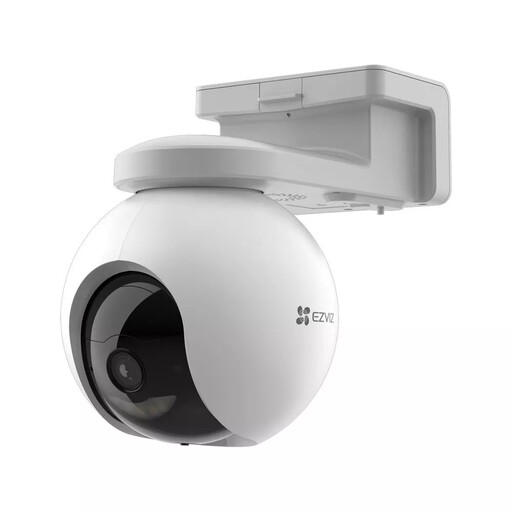
Why it stands out: The EZVIZ EB8's 4G LTE connectivity gives it complete independence from Wi-Fi. Paired with its very high-capacity battery and compatibility with a solar panel (sold separately), it's the ultimate surveillance solution for the most remote locations.
Key features:
Who is it for? Ideal for owners of second homes, managers of construction sites, warehouses, or farms. In short, for anyone who needs foolproof surveillance in an area without Wi-Fi or a power outlet.
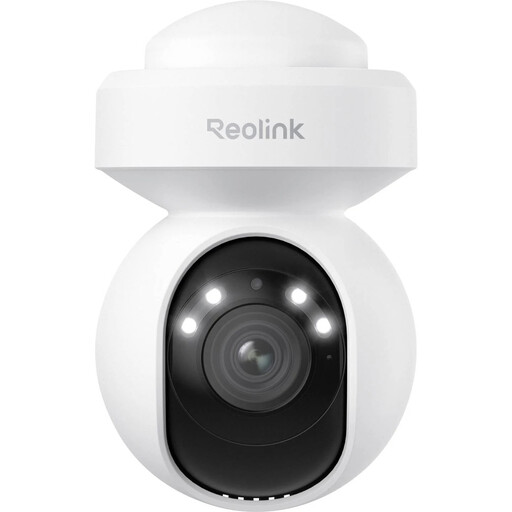
Why it stands out: The REOLINK E540 distinguishes itself with its 3x optical zoom, which allows you to magnify an image without any loss of quality, unlike digital zoom. Its high 2K+ 5 MP resolution and smart tracking make it a top choice for precise surveillance of large properties.
Key features:
Who is it for? For homeowners who want to keep a close eye on a large garden or a vast yard. It's perfect for those who demand detailed surveillance and the ability to zoom in on a specific point without sacrificing sharpness, all via their home Wi-Fi network.
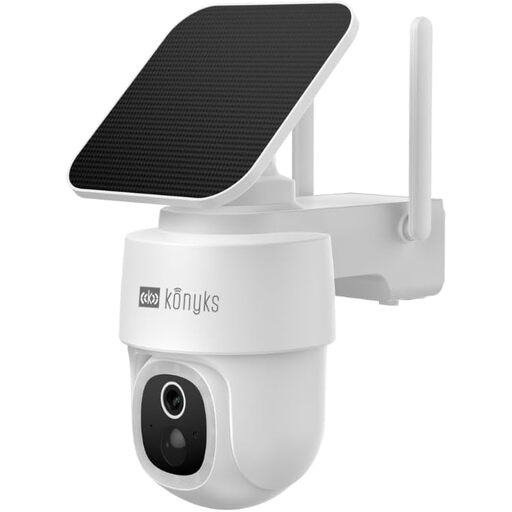
Why it stands out: The Konyks CAMINI AIR S360 is designed for a "set it and forget it" experience. Its solar panel is included and ensures the battery is continuously recharged. It's a 100% wireless solution that's easy to install and perfectly integrated into the smart home ecosystem (compatible with Tuya, Alexa, and Google Assistant).
Key features:
Who is it for? For anyone who wants a simple, eco-friendly outdoor surveillance solution without any wiring or recharging constraints. It's ideal for monitoring the surroundings of a home with good sun exposure.
Motorized cameras are a powerful solution for property surveillance. For more specific uses, such as wildlife observation or discreetly monitoring trails in nature, other models can sometimes be more suitable.
? If you're looking for equipment designed to blend into the environment, take a look at our selection of trail cameras with live view.
An optical zoom uses the physical movement of the objective's lenses to magnify the image, just like on a real camera. The image quality remains intact. A digital zoom, on the other hand, simply crops the image digitally, which inevitably causes a loss of detail and a pixelation effect as you zoom in. For identifying details at a distance, optical zoom is therefore incomparably more effective.
Yes, but its efficiency will naturally be lower. Modern solar panels are designed to capture light even on cloudy days. However, during short winter days or long periods of bad weather, the panel may not be sufficient to fully recharge the battery. Fortunately, most solar cameras have a USB-C port for a manual top-up charge if needed. Remember that overall battery life also depends heavily on the frequency of detections and recordings.
Auto-tracking relies on image analysis algorithms to identify a moving object (usually a person or vehicle). Once the target is detected, the camera uses its Pan (horizontal) and Tilt (vertical) motors to follow it and keep it in the center of its field of view. This function is crucial for recording an entire scene, from the moment the subject enters the area until they leave.