
Livraison le jour même ou le lendemain

Qualité garantie

Débloquez vos offres de bienvenue: Livraison GRATUITE | Jusqu'à -80 % | 30 jours d'essai gratuits à JoyPlus
Téléchargez l'application
Navigating the vast world of wireless microphones is no easy task. Between the marketing jargon and lengthy spec sheets, the risk of making the wrong choice and regretting your purchase is very real. As the head of product selection at Joybuy, I'm here to help you navigate the landscape. This guide breaks down the most common pitfalls and the criteria that truly matter for making the right choice. Whether you're a content creator, a musician, or simply in search of flawless audio, this guide is for you!
Before we dive into our top picks, let's review three classic mistakes that can turn your purchase into a disappointment:
To avoid these pitfalls, a few key technical details make all the difference. These are what reveal the true performance and versatility of a wireless microphone.
A good wireless mic should integrate with your existing gear, not force you to replace it. While USB-C is now the standard, true versatility is judged by the number of adapters included out of the box.
Always ensure the adapters you need are included in the box. This will save you from unexpected expenses and headaches.
Not all noise reduction is created equal. It's crucial to distinguish between basic filters and intelligent technologies, especially if you're vlogging or conducting interviews outdoors.
The endurance of a wireless lavalier mic isn't just about the transmitter's battery. The real deciding factor is the total battery life, which combines the transmitter's runtime with the recharges provided by its case. A good charging case should be able to recharge the transmitters several times, enough to last a full day of shooting without being at the mercy of a power outlet. Aim for models that promise at least 15 to 20 hours of combined battery life (transmitters + case).
Rather than a random list, we've matched top products with specific user profiles. Each model was chosen for its ability to meet a specific need while avoiding the pitfalls we've just discussed.
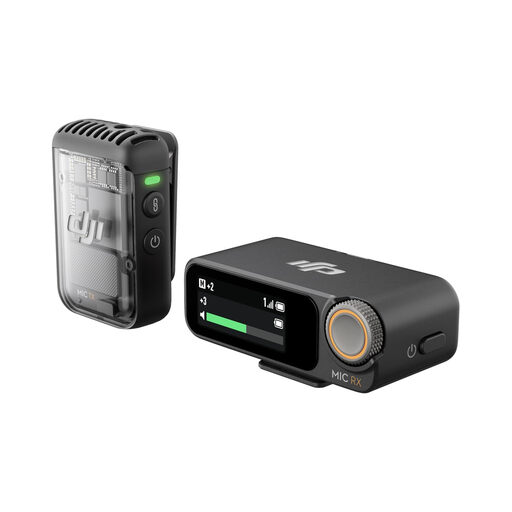
Why we chose it: Perfect for vloggers and field journalists, this kit is a model of compactness, discretion, and simplicity. Its dual attachment system (magnetic and clip-on) offers maximum flexibility, allowing you to place it in seconds during an interview or an outdoor shoot.
It comes with USB-C, Lightning, and 3.5mm jack adapters, ensuring immediate compatibility with most smartphones and cameras at no extra cost. Its intelligent noise reduction is designed to isolate the voice without making it sound flat. Finally, the internal 32-bit float recording acts as a backup track, an essential safety net to ensure you never lose a take due to a connection drop.
This combination of portability, audio quality, and security (with backup recording) makes it the trusted tool for creators who can't afford mistakes.
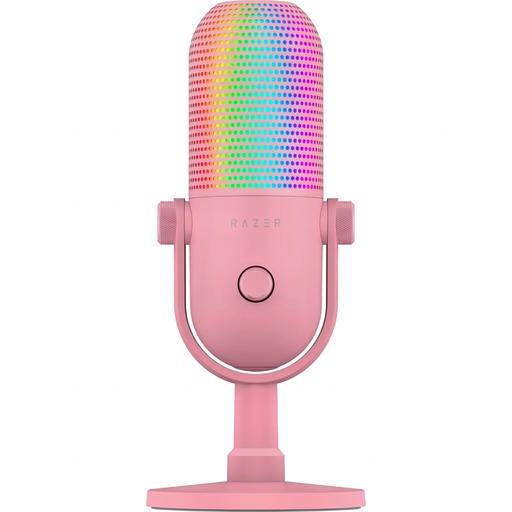
Why we chose it: Designed for desktop setups, this USB streaming mic combines excellent voice capture with a sleek aesthetic. It's the ideal choice for streamers and podcasters who demand clean audio and a look that pops on screen.
Its plug-and-play USB connection sweeps away any software or hardware compatibility issues. Its supercardioid pickup pattern focuses on the user's voice and ignores peripheral noise from keyboards and mice—a common flaw in omnidirectional mics.
Its impressive simplicity, voice-optimised audio quality, and reactive RGB lighting make it a perfect all-in-one solution for modern streaming.
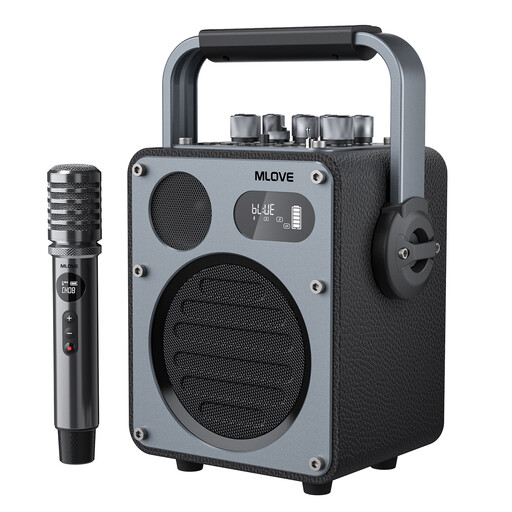
Why we chose it: More than just a microphone, this is a true all-in-one system. For karaoke fans, party hosts, or amateur musicians, this product combines a powerful speaker with two wireless mics designed for singing.
As an integrated system, it immediately eliminates the compatibility headaches of pairing a mic and speaker from different brands. It includes dedicated EQ modes (vocal, music, instrument) to ensure optimised sound for any situation, where a standard mic would struggle.
The turnkey solution. No more juggling separate devices. It features a stable Bluetooth 5.4 connection and practical functions like direct recording to a smartphone, making it equally suited for fun and for content creation.
We've curated a full selection of products that meet our quality criteria and European safety standards.
What's the difference between a wireless lavalier mic and a desktop USB mic? The lavalier mic is the champion of mobility. You clip it onto clothing, making it perfect for interviews, vlogs, or presentations where you need to move freely. The desktop USB mic, on the other hand, is stationary. It plugs directly into a computer. In a controlled environment (like an office), it often delivers better audio quality for a similar budget, making it the king of streaming, podcasting, and recording voice-overs.
How can I improve the sound from my smartphone mic? Three simple tips can make all the difference. First, placement: position the mic about 15-20 cm (6-8 inches) from your mouth for a clear sound without distortion. Second, the environment: choose a furnished room (with carpets, curtains, etc.) to absorb reverberation and avoid the "bathroom" echo effect. Finally, noise reduction: use it wisely. If your mic has an intelligent mode (AI/DSP), activate it to filter out background noise without distorting your voice.
Is the advertised battery life reliable? You have to learn to read between the lines. The advertised figure can refer to the transmitter's battery life alone (often 5 to 8 hours) or the total battery life, including recharges from the case (which can exceed 20 hours). For a full day of intensive shooting, it's this total battery life that counts. Check that the case can recharge the transmitters at least two or three times for peace of mind.