
Livraison le jour même ou le lendemain

Qualité garantie

Débloquez vos offres de bienvenue: Livraison GRATUITE | Jusqu'à -80 % | 30 jours d'essai gratuits à JoyPlus
Téléchargez l'application
Securing your home is a priority, but faced with the jungle of alarm systems, it's easy to feel overwhelmed. Between the technical jargon and the sirens of marketing, it's hard to sort through the options. As the Head of the Home Automation and Security section, my mission is simple: to guide you toward the right choice. Forget the fluff; this guide gets straight to the point, breaking down the essential criteria for finding the wireless Wi-Fi home alarm kit that's right for you, while helping you avoid the pitfalls that can weigh heavily on your wallet.
Choosing your alarm system hastily is the surest way to regret it. Here are the three classic mistakes you must not make:
To avoid making a mistake, focus on these three technical pillars. They are what will guarantee the reliability and scalability of your future home security kit.
A system worth its salt should never rely solely on your Wi-Fi. The most robust solutions combine two complementary technologies:
Your needs today won't be the same tomorrow. Betting on a scalable home alarm is therefore a bet on the future. The secret? Compatibility with open platforms like Tuya. A Tuya security system isn't limited to the brand's own accessories: it opens the door to an ecosystem of hundreds of connected devices (bulbs, plugs, cameras, etc.) from third-party manufacturers, all controllable from a single app. This guarantees maximum flexibility and is the best insurance against closed systems.
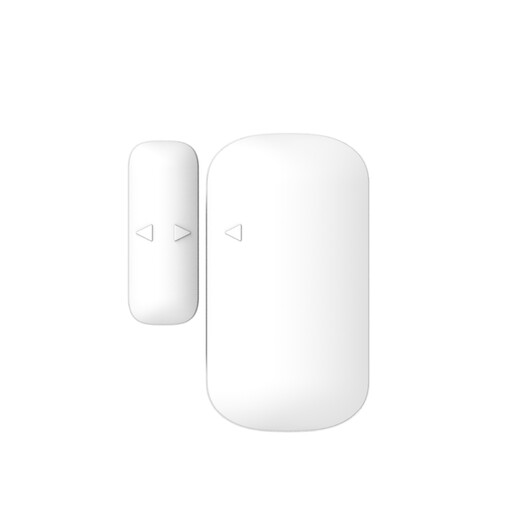
A good anti-intrusion alarm kit must offer comprehensive protection right from the start. Check that your starter pack includes at a minimum:
Rather than an endless list, we've selected solutions that check all the boxes on our checklist (reliability, scalability, no hidden subscription fees) for two typical profiles.
The verdict for an apartment: Perfect for a renter. This 100% wireless system installs in minutes, without drilling a single hole, thanks to its adhesives. It covers the essentials: protecting the front door and a main living area, all controllable from your smartphone at your fingertips.
Notifications and remote control via the Tuya Smart app are included, with no subscription required. The Tuya ecosystem ensures you can expand your system at your own pace and budget.
The 868 MHz radio link between the sensors and the base station is a guarantee of responsiveness and stability. As a bonus, the backup battery takes over during a power outage, ensuring continuous protection.
The verdict for a house: This kit is an excellent foundation for securing a house. Designed as a scalable home alarm, it can manage up to 30 accessories. Start with the initial pack, then add to it over time with detectors for ground-floor windows, the garage, or upstairs bedrooms.
Its integration with the Tuya ecosystem frees you from dependency on a single brand. You can add extra sensors affordably, without being locked into a proprietary format.
Thanks to the 868 MHz frequency, the 80-meter range in open space between the base station and sensors is ideal for covering a medium-sized house, and even an outbuilding like a garage or garden shed.
Discover our full selection of alarm systems that meet our quality standards and European security norms.
Is it complicated to install a wireless home alarm kit yourself? Absolutely not. Today's kits are designed so that anyone can install them (the famous "Do-It-Yourself" or DIY approach). Generally, you just need to plug in the base station, stick the sensors to strategic points with the provided adhesives, and follow the mobile app's guidance for the Wi-Fi setup. The job is done in under an hour.
Do I need a paid subscription for the alarm to work? For the systems we recommend, which are based on open platforms like Tuya, the answer is no. Essential functions (remote arming/disarming, real-time alert notifications, event history) are free. Subscriptions may exist, but they are for optional services like cloud video storage for cameras or professional monitoring. They are never mandatory for your alarm to be operational.
What happens in the event of a power or internet outage? A good system is designed precisely for these eventualities. In case of a power outage, the base station's integrated backup battery immediately takes over for several hours, so the alarm remains active. In case of an internet outage, the radio communication (868 MHz) between the sensors and the base station is not affected: if an intrusion is detected, the local siren will sound. The only consequence is that you will not receive a notification on your smartphone until the connection is restored.