
Livraison le jour même ou le lendemain

Qualité garantie

Débloquez vos offres de bienvenue: Livraison GRATUITE | Jusqu'à -80 % | 30 jours d'essai gratuits à JoyPlus
Téléchargez l'application
The wireless headphones market is overflowing with promises: total freedom, crystal-clear sound, and absolute peace and quiet. Yet, disappointment is often just around the corner. It's easy to make a mistake when navigating the gap between marketing hype and daily reality. This guide is here to help you sidestep the most common pitfalls and identify the criteria that truly matter to find the perfect headphones for you.
Before you make your decision, keep an eye out for these three points, which are often the source of much frustration.
To make the right choice, focus on the features that are most important for your use case.
Form Factor and Ergonomics: Choosing the right form factor is the first step.
Real-World Battery Life and Fast Charging: Don't just rely on the total battery life (earbuds + case). Check the battery life of the headphones on a single charge, with and without active noise cancellation (ANC). A fast-charging feature (e.g., 1 hour of listening from a 5-minute charge) can be a lifesaver in your daily routine.
Connectivity and Audio Codecs: Most devices use Bluetooth technology. The version (e.g., 5.3) affects stability and power consumption. For audiophiles, support for high-resolution codecs like LDAC or aptX HD is a plus, provided your smartphone or player is also compatible.
There's a right solution for every need. Here are our recommendations to help you find your way.
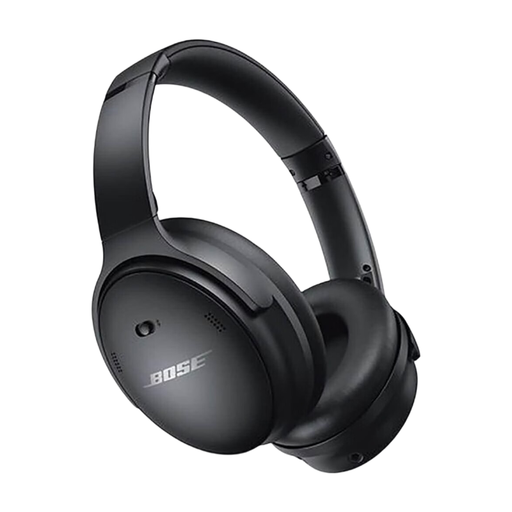
Why this model? Ideal for isolating yourself in noisy environments like public transport, airplanes, or open-plan offices. Their over-ear design and quality materials ensure long-lasting comfort, which is essential for long workdays or travel.
These headphones sidestep the "gimmicky" noise cancellation trap with incredibly effective ANC technology. It doesn't just mask noise; it actively cancels it for a truly immersive sound experience.
Reference-grade active noise cancellation. Exceptional comfort for extended wear. Up to 24 hours of battery life on a single charge.
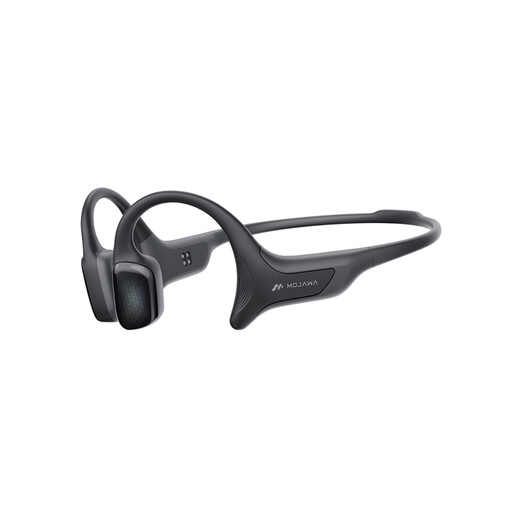
Why this model? Designed for athletes, these open-ear headphones use bone conduction technology. This lets you listen to music while remaining aware of your surroundings—a major safety benefit for running in the city or cycling. Their water resistance and 32GB of internal memory even let you use them without a smartphone.
It solves the problem of fit during exercise: unlike in-ear buds that can slip or fall out, its design ensures perfect stability. Another major safety benefit is that it doesn't isolate the user from their environment.
Safety of the open-ear design. Waterproof (swimming compatible). Integrated 32GB MP3 player for phone-free workouts.
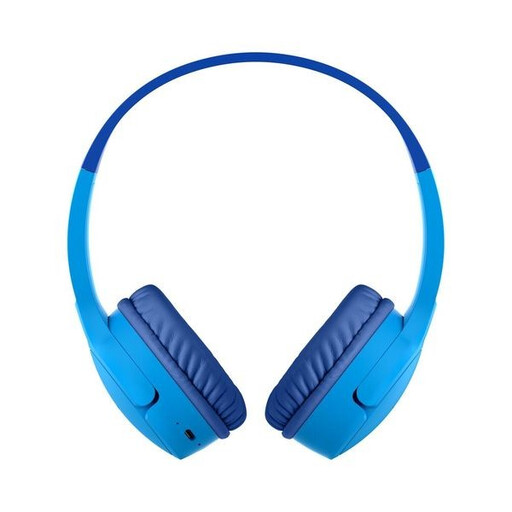
Why this model? These kids' headphones are specifically designed to protect young listeners' hearing. Their robust design is shock- and splash-resistant, while the simple controls are suitable for small hands. It's a reassuring solution for homeschooling or entertainment.
It directly addresses the risk of hearing damage, a very real danger with standard headphones. The 85 dB volume limit is a non-negotiable safety feature that adult headphones don't offer.
Volume limited to 85 dB to protect hearing. Robust and durable, kid-proof design. A solid 30-hour battery life.
Tired of the charging grind? Wired models remain an excellent, reliable, and hassle-free alternative. For a direct, battery-free connection, explore our range of USB-powered headphones.
We have curated a full range of products that meet our selection criteria and European safety standards.
What is the average lifespan of wireless headphones? Their lifespan is typically 2 to 4 years. The main limiting factor is the lithium-ion battery, which naturally degrades after several hundred charge cycles. Build quality and proper care (avoiding extreme temperatures, not letting the battery fully discharge too often) also play a significant role in their longevity.
Can you use Bluetooth headphones from one brand with a phone from another brand? Absolutely. Bluetooth is a universal standard. You can easily connect Sony headphones to an iPhone or AirPods to an Android smartphone. The only catch is that some advanced features (like personalized spatial audio or instant pairing) are sometimes exclusive to a single brand's ecosystem.
Is active noise cancellation dangerous for your hearing? No, ANC technology is not inherently dangerous. It works by emitting an inverted sound wave to cancel out ambient noise. It can even help protect your hearing by allowing you to listen to your music at a lower volume in noisy environments. However, you should always remain vigilant on the street or in traffic.