
Livraison le jour même ou le lendemain

Qualité garantie

Débloquez vos offres de bienvenue: Livraison GRATUITE | Jusqu'à -80 % | 30 jours d'essai gratuits à JoyPlus
Téléchargez l'application
A high decibel rating, a claimed battery life with the charging case, or an IP certification can all seem reassuring. Yet, between two pairs of Bluetooth headphones, the biggest differences often only become apparent in real-world use, far from the spec sheet. Whether you're working in an open-plan office, travelling by train, taking calls on a noisy street, or exercising, certain criteria deserve a proper look.
Active noise cancellation, or ANC, uses microphones and electronic processing to reduce certain background noises, particularly continuous sounds like an engine or train. It doesn't eliminate all voices, horns, or sudden noises. The shape of the ear tips and how well they fit in your ear are just as important.
Open-style earphones, like some models without silicone tips, focus more on comfort and awareness of your surroundings. The downside is that the level of isolation can vary noticeably from person to person, depending on your ear shape.
An "up to" battery life always refers to specific test conditions. Activating ANC, your listening volume, the Bluetooth codec, making calls, and the temperature all affect the actual duration. You also need to distinguish between the battery life on a single charge and the total life provided by the charging case.
For a long journey, compare these two figures separately. Headphones that last several hours on a charge but come with a case that has poor stamina can be less practical than a model whose case can recharge them several times over.
True wireless headphones generally work with both Android and iOS via Bluetooth, but some features are reserved for the manufacturer's ecosystem. Spatial audio, an equaliser, multi-device connection, or ANC adjustments may require a dedicated app.
AirPods integrate seamlessly with the iPhone, while Galaxy Buds make the most of Samsung devices. Huawei FreeBuds and other Bluetooth headphones remain usable with multiple systems, but the available features can vary depending on your phone.
A versatile model should offer several modes: ANC, off, and transparency mode. The latter lets in outside sounds without you having to remove the headphones – a handy feature at a train station or for a quick chat with someone.
For calls, look at the number of microphones, wind noise management, and the ability to adjust the volume directly from the headphones. AI-powered processing features are still just manufacturer promises; they don't guarantee perfectly clear conversations in every environment.
Make a note of the following separately:
Wireless headphones with great battery life are excellent for travel, but their charging case can be bulkier. For professional use, multipoint connection or managing two devices can be more useful than a few extra hours on the spec sheet.
In-ear headphones that come with multiple sizes of ear tips generally stay in place better and reduce sound leakage. An IP54, IP55, or IP57 certification indicates a specific level of dust and water resistance. It does not mean the product can be used in the shower or for swimming.
An IP certification doesn't mean you can skip drying the headphones before storing them. For sport, also check their stability, weight, and how easy they are to clean. Finally, keep the volume at a reasonable level and take breaks during long listening sessions.
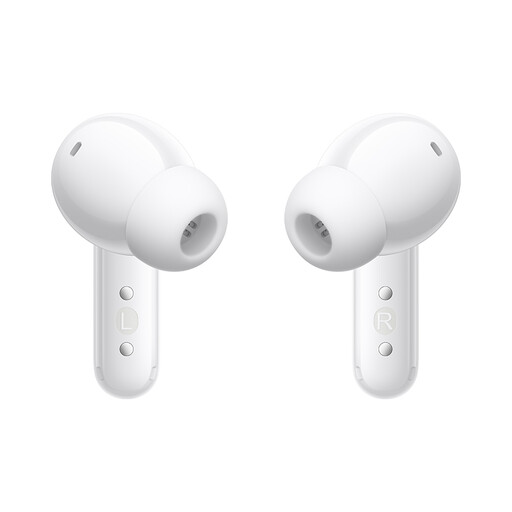
Why this model suits them: Its spec sheet boasts ANC up to 49 dB, battery life of up to 9 hours per earbud and 42 hours with the case. The IP54 certification is suitable for daily commutes and moderate exercise.
The earbud battery life and the case capacity are listed separately. This allows you to compare on concrete terms, rather than just looking at a single promotional figure.
Bluetooth 5.3, 12.4 mm dynamic driver, ANC up to 49 dB, and IP54 certification.
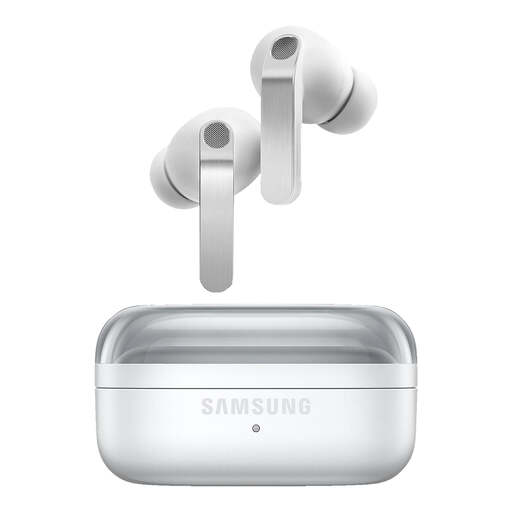
Why this model suits them: It's aimed primarily at Samsung users who want to take advantage of a 9-band equaliser, 360 audio, and seamless switching between multiple Galaxy devices.
The figures distinguish between battery life with ANC, stated at 6 hours, and without ANC, given as 7 hours. With the case, expect 26 or 30 hours respectively, depending on the mode used.
Dual-speaker system, six microphones, Bluetooth 6.1, USB-C and wireless charging, IP57 certification.
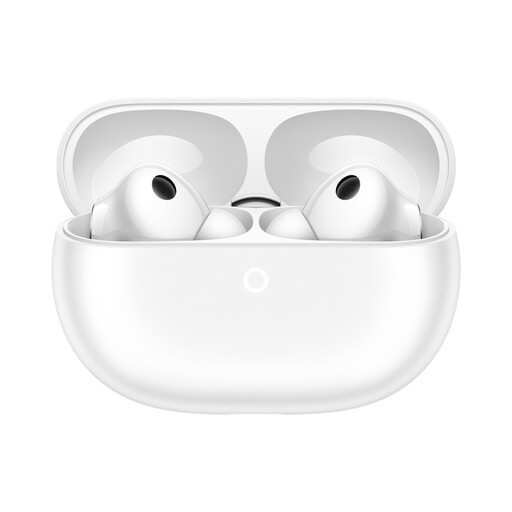
Why this model suits them: The dual connection, transparency mode, calls assisted by multiple sensors, and IP57 certification are well suited to the demands of frequent mobile use.
Battery life is detailed according to the codec and ANC usage: up to 6 hours with ANC in AAC, compared to 5 hours with certain audio modes that prioritise quality.
Bluetooth 6, dual-device connection, IP57 certification for the earbuds, USB-C or wireless charging, and four sizes of ear tips.
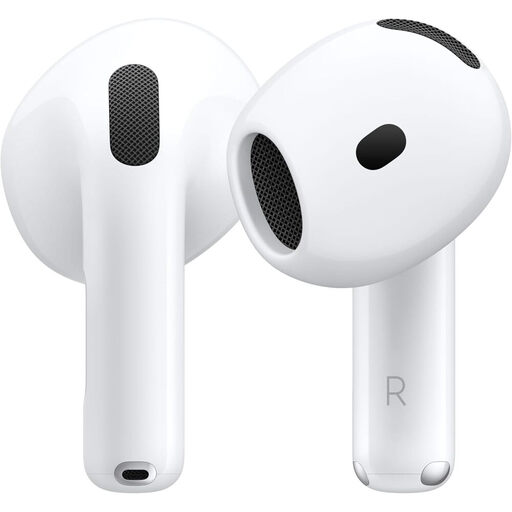
Why this model suits them: Integration with Apple devices, Siri, Find My, and audio sharing makes daily life simpler, especially with an iPhone or iPad.
The spec sheet states up to 4 hours of listening with ANC per charge and up to 30 hours with the case, rather than just showing the total battery life.
H2 chip, transparency mode, personalised spatial audio, Bluetooth 5.3, USB-C or wireless charging, and IP54 certification.
We've put together a comprehensive selection, updated in real time, of products that meet these demanding criteria and European safety standards.
After pairing the headphones via Bluetooth, open the manufacturer's app or use the touch control on the earbud. Then select ANC, transparency mode, or turn it off. On some models, a long press lets you switch between modes.
It all depends on the battery capacity, the number of charge cycles, the temperature, and your listening volume. To slow down battery ageing, avoid extreme temperatures, use a compatible charger, and put the headphones back in their case as soon as you're not using them.
The price varies depending on audio quality, the number of microphones, the IP certification, battery life, and integration with your phone. Focus on comparing the features that will actually be useful to you, rather than adding up all the technologies highlighted on the box. A simple model can be perfectly fine for occasional trips, while multipoint connection or enhanced protection may justify a higher price for daily use.