
Livraison le jour même ou le lendemain

Qualité garantie

Débloquez vos offres de bienvenue: Livraison GRATUITE | Jusqu'à -80 % | 30 jours d'essai gratuits à JoyPlus
Téléchargez l'application
Cutting the cord has revolutionised gaming, but the shift to wireless has also introduced a minefield of pitfalls for unwary buyers. Between indecipherable spec sheets and marketing jargon, it's all too easy to end up with a disappointing headset. As a product expert at Joybuy, my mission is to guide you through this tech jungle so you can make the right choice.
To save you from disappointment (and a product return), here are the three most common traps to avoid.
To avoid falling for these tricks, focus on the technical specifications—they don't lie.
Not all wireless connections are created equal. For gaming, the absolute priority is minimal latency (the famous low latency) to ensure the audio perfectly syncs with the on-screen action.
This is THE main point of friction. Be aware: consoles do not use the same wireless protocols.
To ensure your teammates hear you loud and clear, don't just trust the marketing—look at the microphone's spec sheet.
Keeping these criteria in mind, here are a few models that stand out from the crowd, each catering to a specific type of gamer.
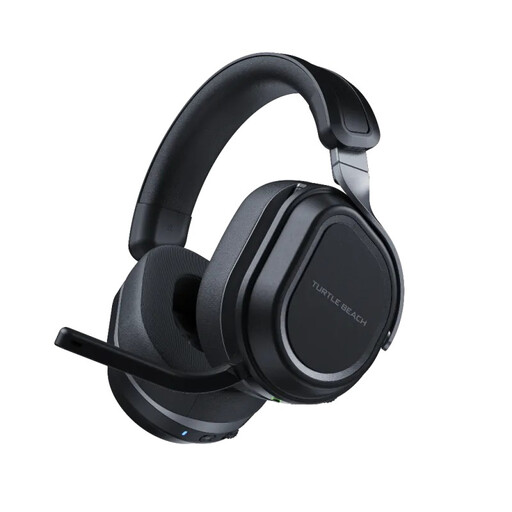
Why it stands out: It's the perfect Swiss Army knife for anyone who juggles Xbox, PC, and mobile. It offers simultaneous 2.4 GHz and Bluetooth connectivity, all with a marathon-like battery life to power through long sessions.
It avoids the "fake multi-platform" trap thanks to a simple switch on its USB dongle, allowing you to instantly toggle between the Xbox ecosystem and other platforms (PC/PS). No more connection headaches.
Record-breaking battery life (up to 80h), an AI-driven noise-cancelling mic, and memory foam ear cushions designed for glasses wearers (ProSpecs technology).
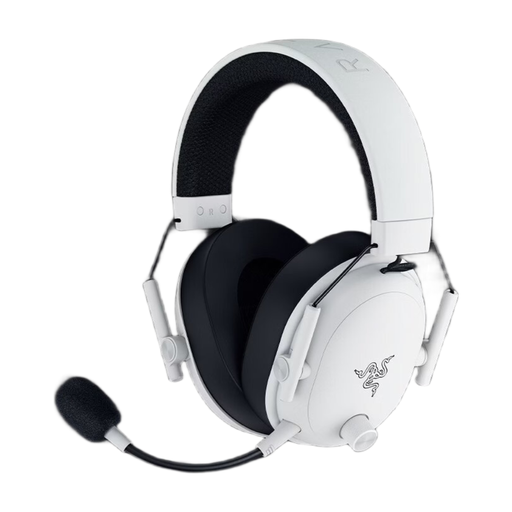
Why it stands out: Built for PC competition, this headset is all about performance: near-zero latency, surgical audio precision for pinpointing enemies, and a broadcast-quality mic for crystal-clear team comms.
It doesn't fall for the gimmicky surround sound trap. It features THX Spatial Audio, a benchmark for 3D spatialisation on PC. Meanwhile, its HyperClear Super Wideband mic plays in the big leagues and is nothing like low-end microphones.
Razer HyperSpeed Wireless technology (a leader in its class), a pro-grade detachable mic, and a feather-light weight of 270g that makes you forget you're even wearing it.
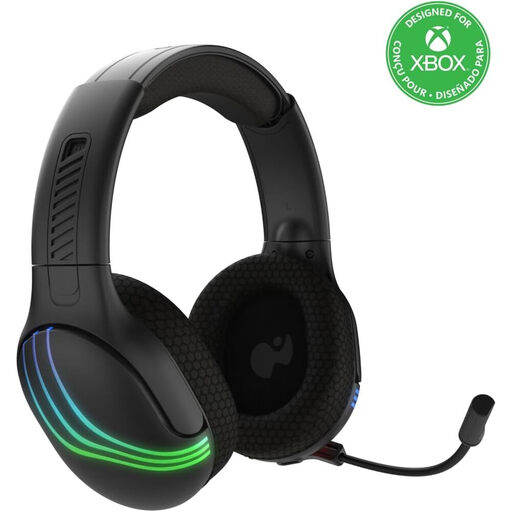
Why it stands out: The ideal solution for Xbox gamers who want a reliable, affordable wireless headset with a touch of style. It gets straight to the point, offering a solid gaming experience with customizable RGB as a bonus.
Its official Xbox license is a guarantee of peace of mind: wireless compatibility is seamless and instant. This avoids the main headache of the Xbox ecosystem. Its flip-to-mute mic is a simple and proven solution.
Low-latency wireless connection (via dongle), 50mm drivers for powerful and clear audio, and on-earcup controls to manage volume and the game/chat balance.
Explore our full selection of headsets that meet our quality charter and European safety standards.
As a general rule, no. A wireless headset for PS5 will not work on an Xbox console because Microsoft uses its own proprietary wireless technology. For guaranteed compatibility on Xbox Series X|S or Xbox One, the headset must feature the official "Designed for Xbox" logo.
It varies wildly! Battery life can differ enormously. Entry-level models last between 15 and 25 hours, while endurance champions can exceed 80 hours on a single charge. Also, look for a fast-charge feature (e.g., 15 minutes of charging for 3 hours of gameplay), which is a real everyday convenience.
Don't just trust the "noise-cancelling" marketing claim. Look for concrete evidence: a cardioid microphone is the baseline. The best models add digital signal processing (often AI-powered) to erase background noise. Details like a detachable mic or a "flip-to-mute" function are also signs of a well-thought-out design.