
Livraison le jour même ou le lendemain

Qualité garantie

Débloquez vos offres de bienvenue: Livraison GRATUITE | Jusqu'à -80 % | 30 jours d'essai gratuits à JoyPlus
Téléchargez l'application
Finding the right wireless gaming headset can quickly become a minefield. Between marketing promises, endless spec sheets, and flashy designs, it's easy to feel lost and end up with buyer's remorse. Crackling audio, a battery that dies mid-game, or a mic that picks up more keyboard noise than your voice—these are frustrations too many gamers know all too well.
Let's cut through the jargon and focus on what matters. This guide breaks down the 3 most common pitfalls and gives you the keys to choosing THE gaming headset that truly fits your needs, whether you play on PC, PS5, or Xbox.
The market is flooded with options, but they are far from equal. Here are the most common mistakes that can ruin your gaming experience.
Many headsets highlight their Bluetooth connectivity. While convenient for listening to music on your smartphone, this connection quickly shows its limits in gaming. High latency in Bluetooth can create a noticeable delay between the on-screen action and the audio. In competitive games, this is a deal-breaking disadvantage. Hearing footsteps a split-second too late is a guaranteed defeat.
The solution: Opt for headsets that offer a 2.4 GHz wireless connection via a USB dongle. This technology is designed for ultra-low latency, ensuring perfect synchronisation between the action on screen and the sound in your ears. The best Bluetooth gaming headsets consistently offer both options.
"Compatible with PC/PS5/Xbox/Switch": this promise is often a source of confusion. A headset might work on multiple platforms, but with limited functionality. For example, the game/chat audio balance might be missing on console, or surround sound may be reserved for PC. The result: you pay for features you can't even use on your platform of choice.
The solution: Check the compatibility in the fine print. Look for labels like "Designed for Xbox" or the presence of a dongle with a mode switch (PC/PlayStation). For a PS5 gaming headset or an Xbox gaming headset, an official license is often a guarantee of full compatibility.
A "40-hour" battery life on the box? This is often measured under lab conditions: volume at 50%, RGB lighting off, and mic muted. In real-world use, this duration can easily be cut in half. Furthermore, a headset that's too heavy or has poor-quality ear cushions will quickly become unbearable after an hour of play, no matter how good the audio quality is.
The solution: Read between the lines. A large-capacity battery is a good indicator, but also look out for fast charging. For comfort, prioritise materials like memory foam and adjustable headbands. A weight under 350g is an excellent starting point for pulling off long sessions.
To make an informed choice, here are the three essential parameters to examine.
Today, a good wireless gaming headset must be versatile. The ideal combination is:
Some models, like those from Razer or Turtle Beach, integrate SmartSwitch or QuickSwitch technology, which allows you to instantly switch between the two audio sources, or even mix them.
A good headset mic is essential for communicating effectively with your team. Two elements to watch for are:
For gaming, stereo sound is outdated. Spatial audio (like 7.1 surround, THX Spatial Audio, or Windows Sonic) allows you to precisely locate the origin of sounds in a 3D space. This is a decisive tactical advantage for anticipating and locating enemies. Ensure the headset is compatible with your platform's spatialisation technologies (e.g., the PS5's 3D Audio or Windows Sonic/Dolby Atmos on Xbox and PC).
Rather than an endless list, we've selected headsets that cater to specific player profiles, all while avoiding the pitfalls we've just discussed.
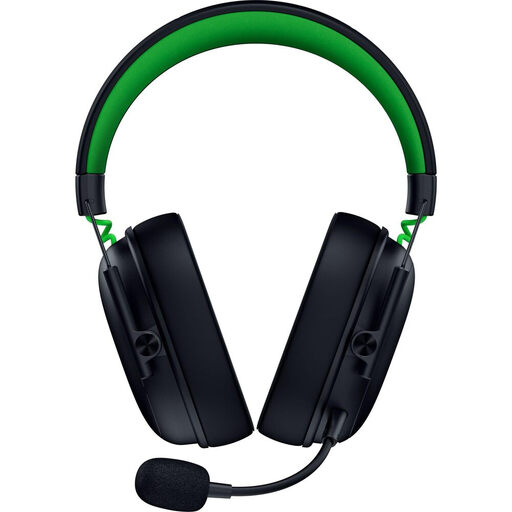
Why we chose it: It's the perfect Swiss Army knife for anyone who juggles between their Xbox, PC, and smartphone. It offers all the essential connectivity options without sacrificing performance.
Its triple connectivity (2.4 GHz HyperSpeed, Bluetooth 5.3, USB-C) and SmartSwitch function let you juggle sources, thus avoiding the pitfalls of latency and false compatibility.
Its feather-light weight of 270g and record-breaking battery life (up to 70 hours on PC) make it a prime ally for long sessions, regardless of the platform.
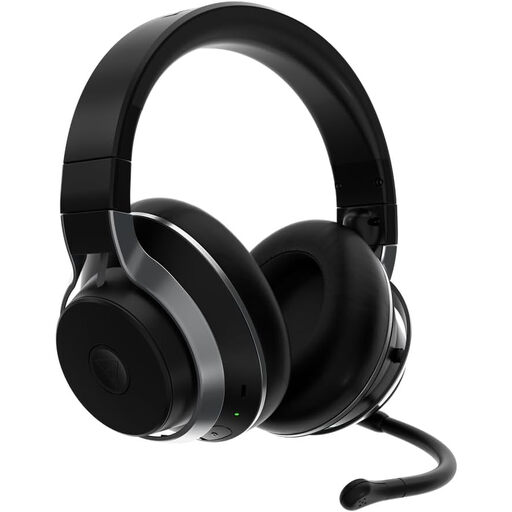
Why we chose it: For the gamer who makes no compromises and seeks absolute immersion, crystal-clear communication, and bulletproof battery life to stay at the top of their game.
Its hot-swappable battery system puts an end to the fear of running out of power. Meanwhile, its active noise cancellation completely isolates you from external distractions.
The combination of Active Noise Cancellation (ANC) and dual swappable batteries offers an uninterrupted and totally immersive gaming experience. A pairing that is still rare on the market.
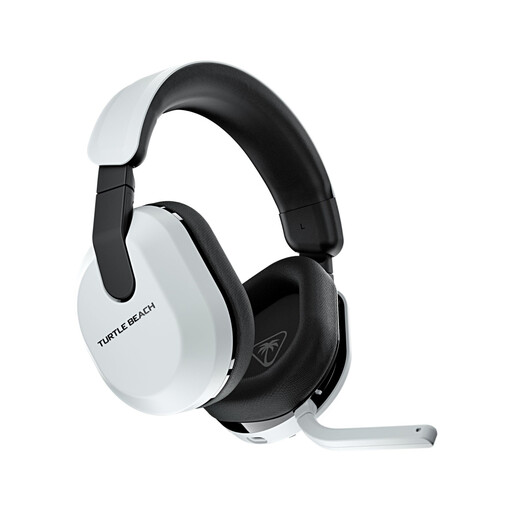
Why we chose it: Perfect for those who pull marathon sessions and never want to be cut short by a dead battery. Here, battery life is king, without sacrificing comfort.
With a monster 80-hour battery life, it shatters market standards and ends the pitfall of inflated numbers. Its fast-charging feature acts as a welcome safety net.
Its record-breaking battery life, paired with an AI-powered voice-isolating mic, makes it an ultra-reliable choice for gaming for weeks on a single charge.
Discover our full selection of headsets tested and approved by our experts, all meeting our criteria for performance and reliability.
Absolutely. For gaming, a headset using a low-latency 2.4 GHz connection offers performance that is virtually identical to a wired model. The difference in response time is imperceptible to the vast majority of players, including at high-level play. However, be wary of 100% Bluetooth models, which can introduce latency that is genuinely disruptive for competitive gaming.
The secret is dual connectivity: a 2.4 GHz USB dongle for your primary gaming platform (PC or console) and Bluetooth for a second device (smartphone, tablet, etc.). The most versatile models include a physical button (like QuickSwitch) to toggle between sources, allowing you, for example, to take a call without taking your eyes off the game.
The actual battery life depends heavily on your usage. RGB lighting, high volume, or active noise cancellation can slash the battery life by 20% to 40% compared to the advertised figures. For a realistic estimate, plan for about 75% of the maximum advertised duration during a typical gaming session. Models exceeding 40 hours of advertised battery life will ensure you can play for several days without worrying about recharging.