
Livraison le jour même ou le lendemain

Qualité garantie

Débloquez vos offres de bienvenue: Livraison GRATUITE | Jusqu'à -80 % | 30 jours d'essai gratuits à JoyPlus
Téléchargez l'application
Whether you’re working, studying, running or answering a call without reaching for your phone, wireless Bluetooth earbuds and smartwatches have become everyday essentials. But a product description as long as your arm doesn’t guarantee that a device will suit your needs. Real-world battery life, water resistance, compatibility and tracking features are often described too vaguely.
Here are the criteria to check before placing your order, along with a selection of models for different types of users in France.
A certification such as IPX5 or IP68 corresponds to a specific level of protection. However, it doesn’t mean that the device is suitable for every type of water-based activity. IPX5 waterproof earbuds will generally withstand splashes and perspiration, but they aren’t designed to be submerged.
If you’re looking for a waterproof smartwatch, check the restrictions specified by the manufacturer. The OUKITEL BT101, for example, is rated IP68 for everyday use, but its product description advises against using it in saunas, hot water, swimming and diving. A certification can never replace the usage instructions.
Battery life depends on listening volume, call duration, connection type and how often the device is recharged. With TWS earbuds, you also need to distinguish between the listening time provided by a single charge and the additional charges supplied by the case.
The MINISO MS106 offers around 4 hours of listening per charge, while its case can provide up to 7 recharges, according to the stated specifications. This setup may be sufficient for commutes and shorter sessions. However, if you use sports Bluetooth earbuds all day, it’s best to consider your charging habits before choosing a model.
Heart-rate, SpO2 and sleep tracking can help you monitor changes in certain personal data through an app. However, these are neither medical measurements nor a diagnosis. Such features should be treated as wellness indicators, not as a basis for changing treatment or interpreting a symptom.
A smartwatch compatible with Android and iOS must work with the operating system version installed on your phone. Also check which app is needed for pairing, what permissions it requests and whether it can display the notifications you want to receive.
For earbuds with a microphone, the advertised Bluetooth range is often around 10 metres in an unobstructed area. Walls, nearby wireless devices and a phone kept in a bag can significantly reduce this distance, however. A recent standard, such as the Bluetooth 6.0 used by the MINISO MS106 or the Bluetooth 5.4 used by the Acer OHR810, is a useful technical indicator, but it alone cannot guarantee call quality.
In-ear earbuds effectively block out external noise, but their shape won’t suit every ear. For running or travelling, a neckband or ear-hook model may prove more practical.
Bone-conduction headphones appeal to people who want to keep their ears uncovered. Nevertheless, you should check how securely they fit, their maximum volume and their level of water protection. For outdoor sports, also prioritise easy-to-use controls and a design that works comfortably with your glasses or cycling helmet.
For a smartwatch with Bluetooth calling, make sure it has a speaker and microphone. Also check whether your contacts can be synchronised with the app. As for the dozens of sports modes offered by some models, they’re only genuinely useful if you take part in the corresponding activities.
Remember to check what comes with the charger, too. Some products include a USB cable but not a mains adapter. In France and the European Union, also check for the required compliance information, the importer’s name and instructions in French where applicable. The statutory guarantee of conformity applies to purchases made from a professional seller, under the conditions set out by the relevant regulations.
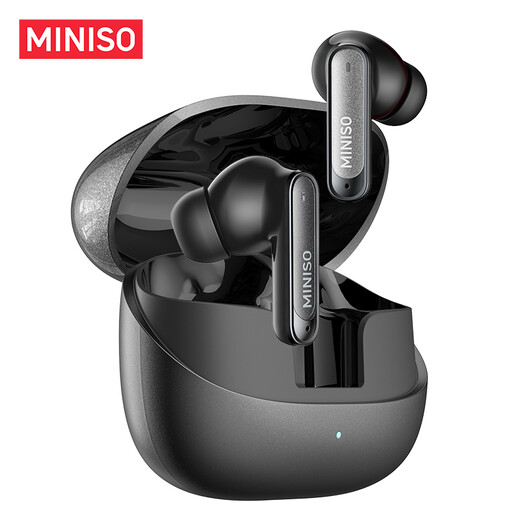
Why this model suits them: these TWS earbuds are suitable for calls, studying, working and everyday travel, whether you use an Android phone, an iPhone or an iPad.
The product description clearly distinguishes the approximately 4 hours of listening per charge from the additional charges provided by the case. IPX5 protection should be understood as resistance to splashes, not as permission to swim.
Bluetooth 6.0, built-in microphone, 10 mm speakers, an advertised range of 10 m and Android/iOS compatibility.
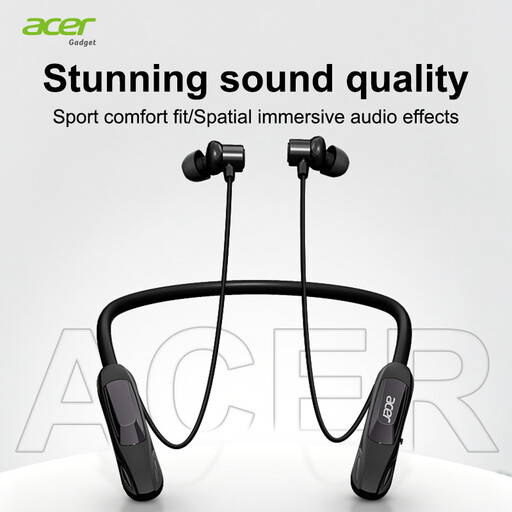
Why this model suits them: its neckband design is ideal for anyone who switches between music, calls, gaming and exercise without wanting to manage a separate case.
The product description specifies a low-latency gaming mode and noise reduction during calls. However, it’s still best to check the comfort and usage conditions before lengthy sessions.
Bluetooth 5.4, USB-C charging, magnetic storage, stereo calls and an advertised low-latency gaming mode.
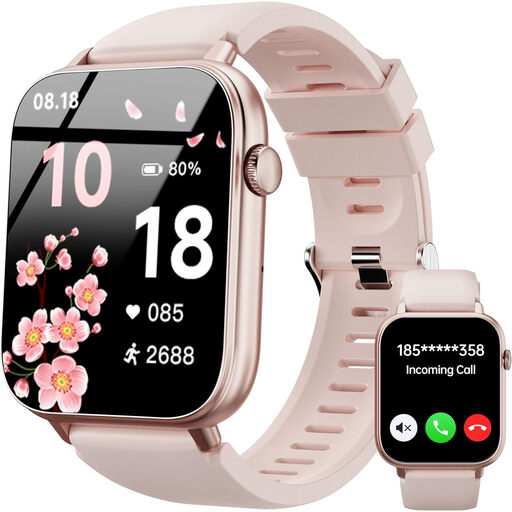
Why this model suits them: this Android- and iOS-compatible smartwatch combines Bluetooth calls, notifications, activity tracking and a wide range of sports modes in a design made for everyday use.
The product description specifies that the IP68 rating applies to everyday use and workouts. However, heart-rate, SpO2 and sleep measurements are not a substitute for a medical device.
4.65 cm display, more than 100 sports modes, wrist calls, notifications and an advertised battery life of up to 7 days with everyday use.
We’ve brought together an up-to-date selection of products that meet these criteria, whether you’re shopping for sport or everyday connected use.
Many models are compatible with both systems, but the associated app may require a minimum version of Android or iOS. Install the app specified by the manufacturer, switch on Bluetooth and allow the necessary notifications. For Bluetooth calls, keep your phone nearby, generally within around 10 metres with no obstacles in the way.
It all depends on the battery, listening volume and the additional charges provided by the case. A model offering 4 hours per charge may be suitable for a commute or a workout, but could fall short over a full working day. The case extends usage, provided it is recharged regularly and the earbuds are stored in their designated slots.
Not necessarily. The IPX5 standard mainly covers splashes, while IP68 alone doesn’t specify the depth, immersion time or resistance to hot water. For swimming, explicitly check that this use is permitted in the instructions. If in doubt, avoid swimming pools, very hot showers and any immersion.