
Livraison le jour même ou le lendemain

Qualité garantie

Débloquez vos offres de bienvenue: Livraison GRATUITE | Jusqu'à -80 % | 30 jours d'essai gratuits à JoyPlus
Téléchargez l'application
The market for wireless earbuds is a jungle. Between the different technologies, form factors, and hundreds of models, finding the perfect pair that truly meets your needs can quickly become a headache. Whether you're an athlete looking for motivation, a remote professional juggling calls, or simply a music lover seeking a peaceful escape on your commute, there's an audio solution for every profile.
As the head of buying guides at Joybuy, my mission is to do the legwork for you. The goal of this guide? To give you clear insights and practical advice to make an informed choice, free of marketing jargon.
Before diving into our selection, let's review the essential criteria that will help you define your priorities.
The form factor of your future earbuds is crucial for your daily comfort and sound experience.
Your main use case will directly influence your choice of technology.
To avoid running out of battery at the worst possible moment, two points need close attention.
We have selected four models that excel in their category, catering to distinct needs, from daily use to intensive sports.
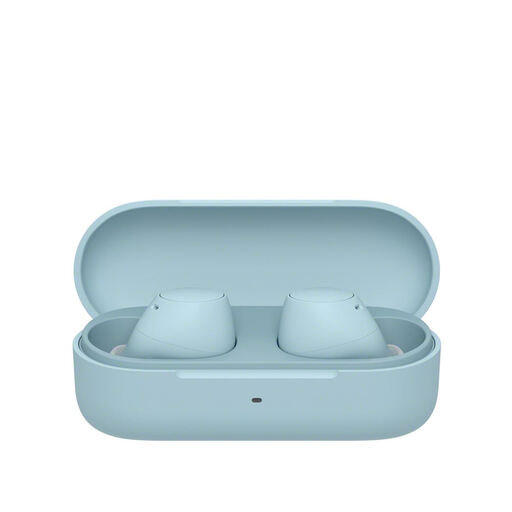
The Sony WF-C510L are an excellent entry point into the world of true wireless earbuds. They focus on the essentials: quality sound, great comfort, and solid battery life, all in a very compact package.
For those looking for a reliable and high-performing pair of earbuds for daily use (music, podcasts, calls) who don't need advanced features like active noise cancellation.
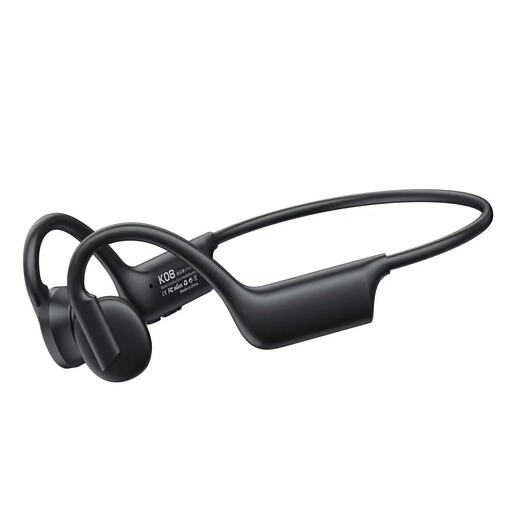
The Verbex K08 uses bone conduction technology to offer a unique listening experience. By leaving the ears uncovered, it ensures full awareness of your surroundings, an essential safety feature for outdoor activities.
Athletes who train outdoors (running, cycling) and prioritize safety. It's also an excellent option for those who find in-ear earbuds uncomfortable.
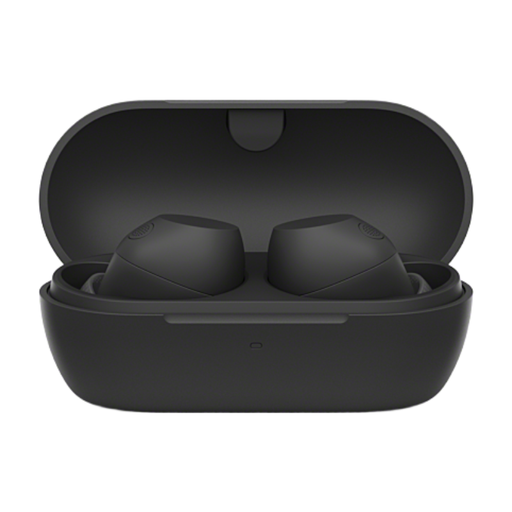
The Sony WF-C710N make active noise cancellation technology more accessible. They provide an effective solution for blocking out ambient noise, whether on public transport or in the office, while maintaining a lightweight and comfortable design.
Ideal for commuters, students, or professionals in open-plan offices who want to create their own bubble of silence to concentrate or immerse themselves in their music.

The AirPods Pro are the gold standard for users within the Apple ecosystem. Their strength lies in their seamless software integration with iPhone, iPad, and Mac, as well as their advanced features like formidable noise cancellation and Spatial Audio.
Unsurprisingly, the primary audience is Apple device owners, who will find a perfectly fluid, intuitive, and feature-rich user experience for music, calls, and sports alike.
Our selection is just a glimpse of the many possibilities the market has to offer. If you're looking for a model specifically designed for your workouts, we have a guide for you too.
Explore our full collection of wireless sports earbuds to discover other models suited to your activities.
All true wireless earbuds are Bluetooth earbuds, but the reverse is not true. The term "Bluetooth" simply refers to the wireless connection technology. The term "true wireless" (or "100% wire-free") means that no cable connects the two earbuds to each other, nor the earbuds to your device. Other Bluetooth earbuds may be connected to each other by a neckband.
Yes, most modern noise-cancelling earbuds are also equipped with multiple microphones and algorithms that isolate your voice from surrounding noise during a call. This makes your voice much clearer to the person you're speaking with, even on a busy street or in a noisy café. It's a highly valued feature for remote professionals.
It all depends on their IP (Ingress Protection) rating. Water-resistant earbuds with an IPX4 certification are protected against sweat and splashes, which is sufficient for light rain. For increased protection against heavier rain or accidental immersion, it's better to look for models with an IPX5, IPX7, or higher rating. To be certain, always check the manufacturer's technical specifications.