
Livraison le jour même ou le lendemain

Qualité garantie

Débloquez vos offres de bienvenue: Livraison GRATUITE | Jusqu'à -80 % | 30 jours d'essai gratuits à JoyPlus
Téléchargez l'application
The market for wireless earbuds is a real jungle. Between outlandish battery life claims, technologies with confusing names, and a multitude of designs, it's easy to make a misstep. As the Head of Product Recommendations at Joybuy, I'm here to help you see things more clearly. Let's cut through the marketing jargon and focus on what's essential: what truly matters in your daily life. Here's how to avoid the most common pitfalls.
The "all-day" battery life myth: Many spec sheets proudly display a total battery life of 20, 30, or even 50 hours. Be wary! This figure always includes the recharges provided by the case. The actual battery life of the earbuds on a single charge is much more modest, typically ranging from 4 to 8 hours. If it's too low, you'll be forced into frustrating charging breaks in the middle of a long commute or a remote workday.
The confusion around "noise reduction": There's a world of difference between passive isolation and Active Noise Cancellation (ANC). The former simply relies on the ability of the ear tips to seal your ear canal. The latter, far more complex, uses microphones to analyse and cancel out surrounding sounds. A spec sheet that mentions "noise reduction" without specifying "active" or "ANC" often refers to simple passive isolation, which is woefully inadequate on the subway or in an open-plan office.
The misinterpretation of water resistance (IP rating): An IPX4 rating is often touted as a mark of durability. While it effectively protects against sweat and splashes (which is perfect for sports), it offers no protection against immersion, not even for a moment. For water-based activities or for the more clumsy among us, a higher rating (IPX7 minimum) is essential. Confusing the two means risking premature failure.
To make sure you get it right, focus on these three criteria that will make all the difference in your daily use.
Comfort and intended use are directly linked to the form factor of your wireless earbuds.
ANC technology is an undeniable convenience, but it's not essential for everyone. It truly shines if you use your earbuds in noisy environments: public transport, open-plan offices, aeroplanes. For use primarily at home or in quiet places, good passive isolation can be more than enough and will save you a significant amount of money. The most advanced models offer adaptive ANC, which automatically adjusts the level of reduction to the ambient noise.
If you're constantly on calls, the quality of the built-in microphone becomes a non-negotiable criterion. Opt for models equipped with multiple microphones and technologies dedicated to reducing ambient noise for your voice (often called cVc or ENC). This is the guarantee that the person on the other end will hear you perfectly, even on a windy street or in a noisy café.
Rather than searching for a one-size-fits-all solution, it's better to choose the model that truly matches your profile.
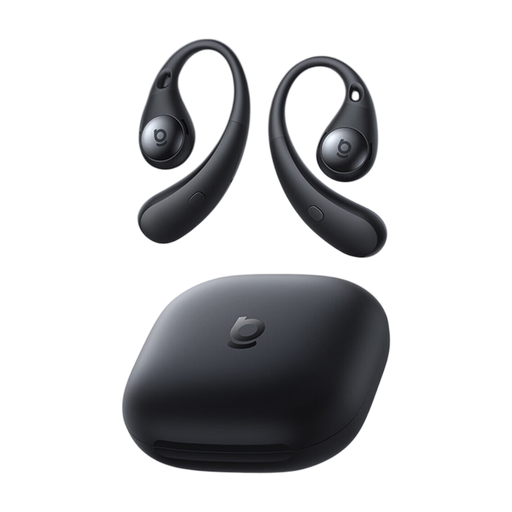
Why this model? Its open-ear design is made for runners and cyclists: it allows you to stay aware of traffic sounds, a significant safety feature in the city and the countryside alike. Its fit is designed to withstand the most intense movements.
It doesn't promise total isolation but rather an open listening experience. It's a functional choice that meets a specific safety need, far from marketing claims about creating a "sound bubble."
Comfort and environmental awareness thanks to the open-ear design. Ideal for long outdoor sports sessions.
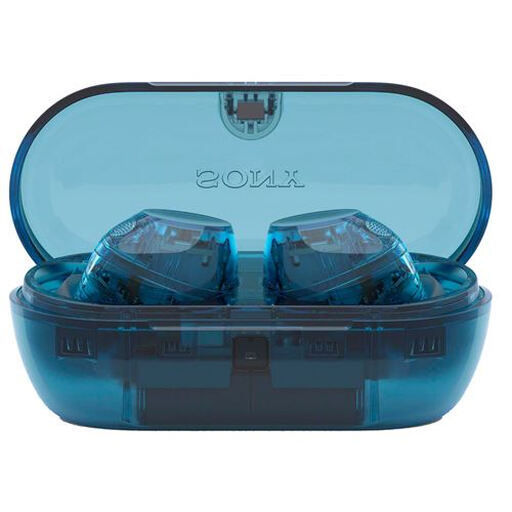
Why this model? It's an excellent compromise for varied use: music on public transport, calls at the office, podcasts at home. It offers effective active noise cancellation and multipoint connectivity to easily switch between a computer and a phone.
It doesn't settle for simple passive isolation. It incorporates genuine Active Noise Cancellation (ANC) technology, which justifies its positioning for noisy environments.
Multipoint Bluetooth connectivity, which allows you to connect two devices simultaneously, is a real productivity booster.
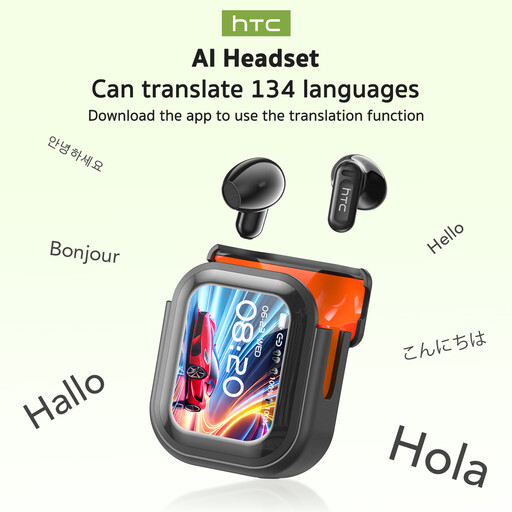
Why this model? For those who travel or work in an international context, these earbuds go beyond music. The translator earbuds feature via a dedicated app is a genuine tool. The LED screen on the case adds a touch of modernity and control.
It doesn't just offer basic features. It provides concrete innovation (translation, touchscreen) that brings tangible added value for a target audience, justifying its positioning.
The real-time translation feature (via app) and the control screen on the case, which make it stand out in the market.
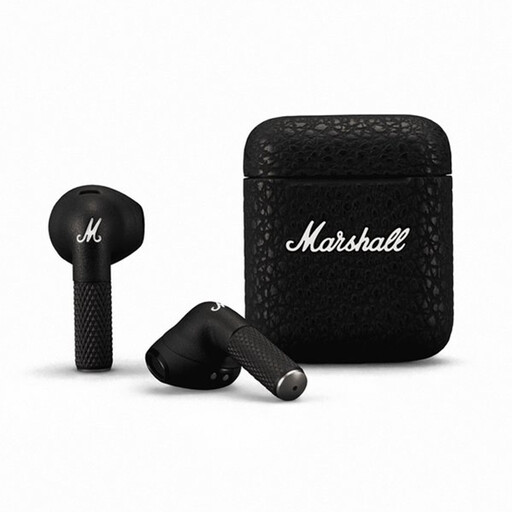
Why this model? For those who prioritise sound signature and aesthetics, the Minor III are a clear choice. They deliver the powerful and recognisable Marshall sound in a comfortable semi-open format, with an iconic rock 'n' roll design.
It doesn't try to compete with overloaded spec sheets. Its main selling point is clear: Marshall sound and style. It's an unapologetic choice for a distinct audio experience rather than a generic product.
The Marshall sound signature and iconic design, combined with the convenience of wireless charging.
Explore our full selection of products that meet our demanding selection criteria and current safety standards.
It primarily depends on the lithium-ion battery, which naturally loses capacity over charge cycles. On average, with regular use, you can expect satisfactory battery life for 2 to 4 years. To extend their longevity, avoid frequent complete discharges and exposure to extreme temperatures.
Yes, almost all recent true wireless earbuds allow this. You can use the right or left earbud independently to take a call or listen to a podcast while the other one charges in its case. This is a very handy feature for staying aware of your surroundings or for doubling the battery life over a very long day.
Hygiene is crucial for comfort and durability. Start by removing the silicone tips. Clean them with a little warm water and mild soap, rinse them, and dry them completely. For the body of the earbuds, a soft, dry cloth is sufficient. For stubborn dirt, use a wipe very lightly dampened with 70% isopropyl alcohol, ensuring no liquid seeps into the speaker grilles or charging connectors. Never use a sharp object to scrape the grilles.