
Livraison le jour même ou le lendemain

Qualité garantie

Débloquez vos offres de bienvenue: Livraison GRATUITE | Jusqu'à -80 % | 30 jours d'essai gratuits à JoyPlus
Téléchargez l'application
The wireless earbuds market is a veritable jungle, flooded with so many models that it's become difficult to navigate. Between marketing promises and cryptic spec sheets, it's all too easy to end up with a disappointing product. As an audio expert at Joybuy, my role is to cut through the noise for you. This guide is here to help you avoid the common pitfalls and give you the keys to choosing the model that's perfectly suited to your needs.
Before we even dive into comparisons, let's review the three classic mistakes that lead straight to buyer's remorse.
To avoid buying blind, focus on a few objective characteristics that define the quality and ergonomics of Bluetooth headphones.
The codec is essentially the language your phone and earbuds use to communicate. The quality of this digital dialogue has a direct impact on the sound performance.
Passive isolation is the "earplug" effect?: the design of the earbuds mechanically blocks a portion of external sounds. Active noise cancellation (ANC), on the other hand, uses microphones to analyse surrounding noises and create an "anti-noise" signal to actively cancel them out. It's incredibly effective against low, repetitive sounds, like the drone of a plane engine or the rumble of a train.
Rather than an endless catalogue, we've selected models that check all the right boxes for specific use cases.

Why we recommend it: For those who want an affordable, do-it-all pair of earbuds. Perfect for commuting, the office, or taking clear calls thanks to their integrated microphone.
No false promises: the IPX5 rating clearly states what it is—resistance to sweat and rain, period. The translation feature is presented for what it is: a bonus function via an app, not some magical onboard AI.
The perfect balance of essential features (sound, mic, durability) and an accessible price point. The Swiss Army knife of everyday audio.
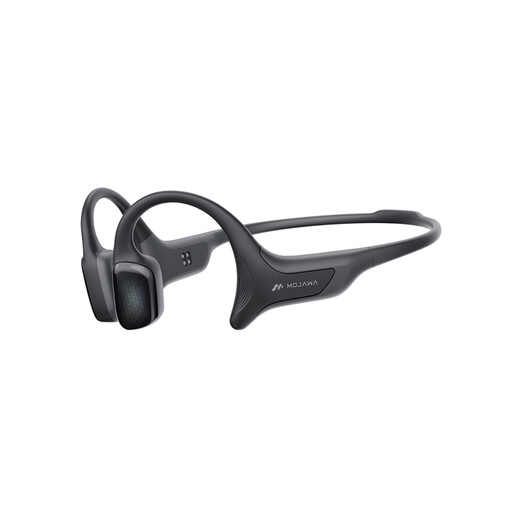
Why we recommend it: The ultimate training partner for runners, cyclists, and even swimmers. These bone conduction earphones leave your ears open so you can stay aware of your surroundings—a crucial safety advantage.
Here, the waterproofing is total and designed for swimming. Better yet, its built-in 32GB MP3 player frees you from your smartphone. No more worries about Bluetooth connections or the battery dying mid-workout.
The safety of the "open-ear" design combined with true autonomy thanks to the integrated MP3 player. Ideal for training light and staying safe.
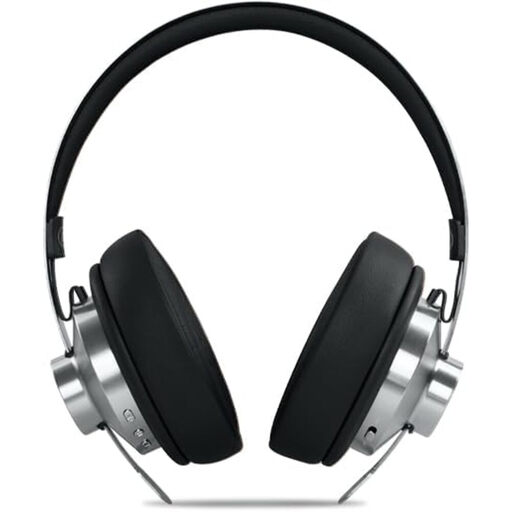
Why we recommend it: The best companion for long train journeys, long-haul flights, and noisy open-plan offices. These over-ear headphones are all about long-lasting comfort, effective active noise cancellation, and marathon battery life.
With 66 hours on the clock, the advertised battery life is so colossal that it remains excellent even with ANC at full blast. No vague marketing here: the noise reduction is quantified (up to -35 dB), a tangible figure.
Monstrous battery life to last for days without a recharge, and active noise cancellation that immerses you in your own bubble of focus.
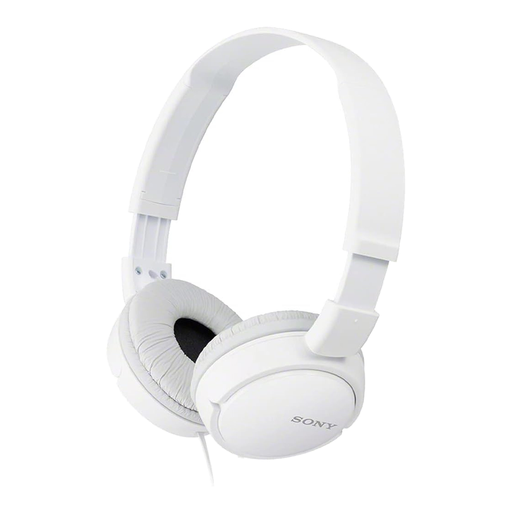
Why we recommend it: For those who prioritise audio quality and reliability over gadgets. These wired Sony headphones are a timeless classic that gets straight to the point: clear, balanced sound, without ever worrying about battery life or the whims of Bluetooth.
By going back to wired, it bypasses all the pitfalls of wireless: battery life, latency, codecs... everything is solved. The connection is foolproof, the sound quality is consistent. Zero gimmicks, 100% music.
Rock-solid reliability and the renowned sound signature of Sony headphones. Bonus: its foldable design makes it easy to take anywhere.
While the freedom of wireless is appealing, the uncompromising reliability and audio quality of a wired connection remain a sure bet. For fans of wired audio, there's no shortage of options.
For those who swear by the reliability of a classic connection, discover our selection of models that meet demanding standards.
The Achilles' heel of wireless earbuds is their lithium-ion battery. On average, you can expect a significant loss of battery capacity after 2 to 3 years of daily use (about 500 charge cycles). The earbuds will still work, but their endurance will melt away.
Yes, this is possible thanks to the multipoint feature. It allows you to pair your earbuds with your computer and your smartphone simultaneously, for example. Listening to music on your PC? If a call comes in on your mobile, the earbuds switch over automatically. This is a must-have feature to check for if you juggle multiple devices.
Not always, no. ANC is incredibly effective on public transport or in an open-plan office. But it's power-hungry and can even be dangerous when jogging in the city, where staying aware of your surroundings is a matter of safety. In that context, non-ANC earbuds or bone conduction models are a much smarter choice.