
Livraison le jour même ou le lendemain

Qualité garantie

Débloquez vos offres de bienvenue: Livraison GRATUITE | Jusqu'à -80 % | 30 jours d'essai gratuits à JoyPlus
Téléchargez l'application
The wireless earbuds market is a real jungle. Between marketing promises and real-world performance, it's easy to end up with a disappointing product. As a product expert at Joybuy, my mission is to help you navigate this landscape. Let's skip the technical jargon?and focus on what really matters to make the right choice.
Before I introduce our top picks, let's break down the 3 most common pitfalls that can cost you dearly.
A 40-hour battery life sounds impressive. Except this figure is almost always achieved in a lab?at 50%?volume, without active noise cancellation (ANC), and using the least power-hungry audio codecs. In the real world, expect that number to be cut in half. The only true metric is the earbuds' battery life on a single charge, especially with ANC enabled.
Not all noise-cancelling earbuds are created equal. Entry-level ANC technology can create an unpleasant pressure in your ears or may only filter out low, constant rumbles (like an airplane engine or ventilation). It will often be powerless against sharper, sudden sounds like conversations or car horns. This makes it much less useful in an open-plan office or in the city.
Comfort is personal, but a bad design is a universal flaw. Poorly designed in-ear earbuds can become painful after an hour, or worse, pop out of your ears at the first stride. For running earbuds, stability isn't an option—it's a requirement.
To avoid these traps, here are the 3 key things to check before you pull out your credit card.
The choice of form factor depends entirely on your use case.
Don't be fooled by a simple "ANC" mention. Aim higher with Adaptive ANC. This technology analyses ambient noise in real time using its microphones and adjusts the level of cancellation automatically. The result is much more effective than standard ANC and prevents that sometimes unpleasant "bubble" sensation. Some models even offer dedicated modes to filter out voices or wind noise.
If you're looking for earbuds for sports, the IP (Ingress Protection) rating is crucial. It consists of two digits (e.g.,?IP67), and it's the second one that matters for water resistance:
To illustrate these points, here is our selection for different user profiles, keeping these criteria in mind.
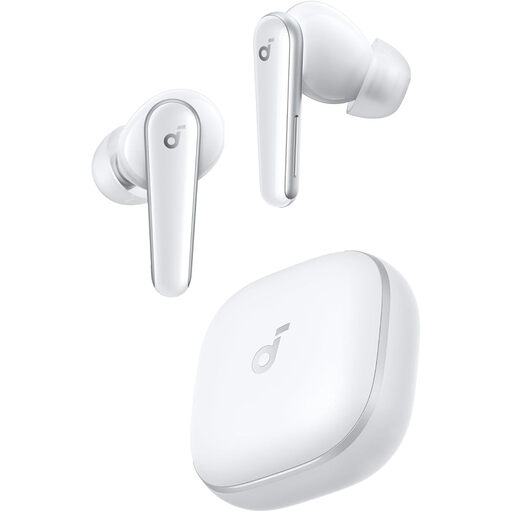
Their profile: Perfect for those who juggle noisy commutes and open-plan offices. They are designed to isolate you from ambient noise and ensure crystal-clear calls—two top priorities for intensive professional use.
It knocks out the "magical" ANC pitfall with its Adaptive ANC 3.0 technology, which, according to Anker, specifically targets human voices. Its 6 microphones and AI algorithm promise call clarity that is a cut above the rest.
High-performance adaptive noise cancellation and impeccable call quality. The battery life is stated plainly: 8 hours with ANC, 12 hours without. No unpleasant surprises.
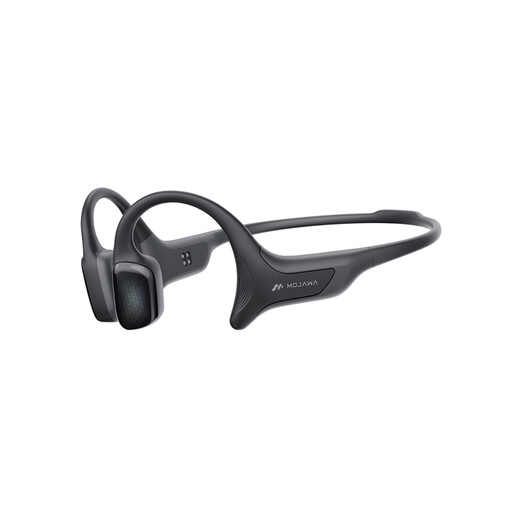
Their profile: The ideal solution for athletes who want their music without cutting themselves off from the world. Perfect for running, cycling, and even swimming, thanks to its bone conduction design and built-in MP3 player.
It shatters the "universal" design problem by not entering the ear at all, ensuring rock-solid comfort and stability. Its waterproof certification and 32 GB MP3 player make it a 100% standalone device, freeing you from the whims of Bluetooth underwater.
Open-ear design for maximum safety and an integrated MP3 player for total freedom, even without a smartphone. Perfectly waterproof, it will follow you right into the pool.
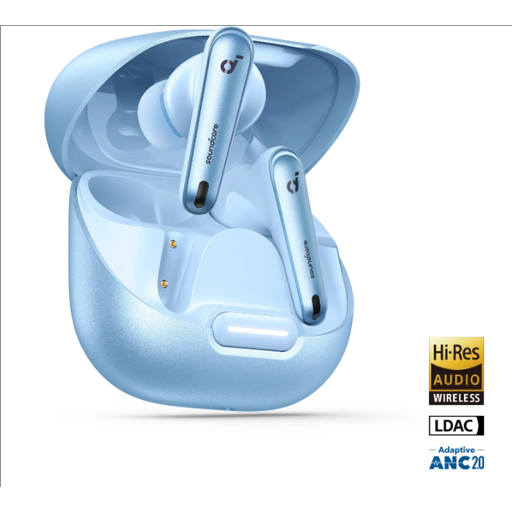
Their profile: The smart choice for those who want an excellent balance of premium features and a controlled budget. They are just as comfortable on a commute as they are for a high-quality listening session at home.
It avoids the vague battery life trap by displaying clear and realistic numbers (10h/50h without ANC, 8h/40h with ANC). It packs Adaptive ANC 2.0 and Hi-Res Audio compatibility (LDAC): tangible features that make it a safe bet.
An almost unbeatable price-to-performance ratio. The inclusion of adaptive ANC, Hi-Res Audio, and wireless charging makes it an ultra-complete model for its price.
Our editorial team has tested and selected other models that meet these quality criteria and current safety standards.
Both leave the ear canal open, but the technology isn't the same. Open-ear earbuds use mini-speakers that direct sound towards the ear, while bone conduction transmits sound vibrations to the inner ear via the skull bones. Bone conduction ensures even clearer perception of your surroundings, but some may find the audio quality less rich.
For a gym session or a run in dry weather, an IPX4 rating is sufficient to resist sweat. However, if you often run outdoors in all weather, it's better to aim for an IPX5 rating (resistance to water jets) or higher for peace of mind.
To maximise battery lifespan, avoid letting it drain completely. Ideally, keep the charge level between 20%?and 80%. Also, remember to turn off active noise cancellation (ANC) when you don't need it, as it's a very power-hungry feature. Also, avoid exposing your earbuds to extreme temperatures (very hot or very cold) for extended periods.