
Livraison le jour même ou le lendemain

Qualité garantie

Débloquez vos offres de bienvenue: Livraison GRATUITE | Jusqu'à -80 % | 30 jours d'essai gratuits à JoyPlus
Téléchargez l'application
The wireless earbuds market has become a jungle. Between tempting marketing promises and unreadable spec sheets, finding the perfect pair can feel like an uphill battle. The result: too many users end up with a product that's disappointing, uncomfortable, or has a battery life that melts away.
I'm a product expert at Joybuy, and my mission is simple: to help you cut through the noise. Let's skip the jargon and focus on what truly matters. Together, let's break down the pitfalls to avoid and the key criteria that will make all the difference in your next purchase.
Before you even start comparing models, learn to spot the misleading claims that too often lead to disappointment.
To make the right choice, there's no need to get bogged down in the details. Focus on these few points that will directly impact your daily experience.
ANC technology has become common in mid-range and high-end models. It's a must-have for anyone who commutes on public transport or works in a busy office. Its effectiveness is sometimes measured in decibels (dB): the higher the number, the more powerful the isolation.
When it comes to connectivity, don't overlook multipoint. This feature allows you to connect your earbuds to two sources simultaneously (e.g., your PC and your smartphone) and switch between them seamlessly. It's a real game-changer for remote work.
No endless list here—just a curated selection that meets specific needs, based on the criteria we've just discussed.

Why it's a good fit: Perfect for students or as a first pair of true wireless earbuds. They stick to the essentials (music, calls, podcasts) without unnecessary frills, making them a smart choice for moderate daily use.
This model is refreshingly honest: no false promises of active noise cancellation. The advertised battery life is about 4 hours per charge, a realistic figure for this price range that avoids the trap of inflated numbers.
The IPX5 certification, which guarantees resistance to sweat and splashes, is a real bonus at this price point. Its universal compatibility (iOS & Android) makes it a versatile all-rounder.
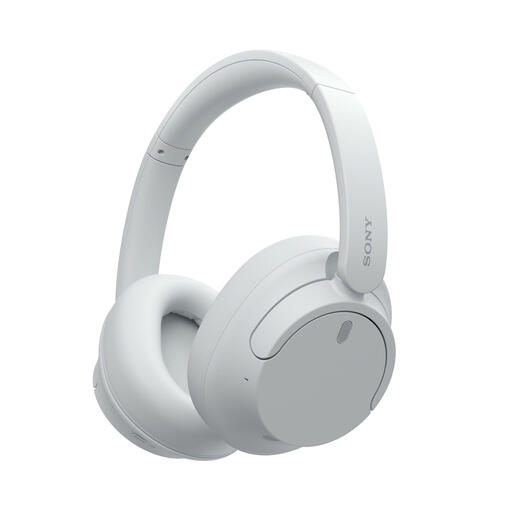
Why it's a good fit: Ideal for long commutes, days in an open-plan office, or for getting lost in your music. Its over-ear design ensures optimal long-term comfort, and its features are designed for heavy use.
These headphones masterfully avoid the common pitfalls. The battery life is transparent and impressive (35h with ANC, 50h without), and the active noise cancellation benefits from Sony's renowned expertise. As for comfort, the over-ear design is a safe bet for long sessions.
Its marathon battery life is one of the best on the market. Most importantly, the Bluetooth multipoint connectivity is a life-changer for anyone juggling a computer and a smartphone.
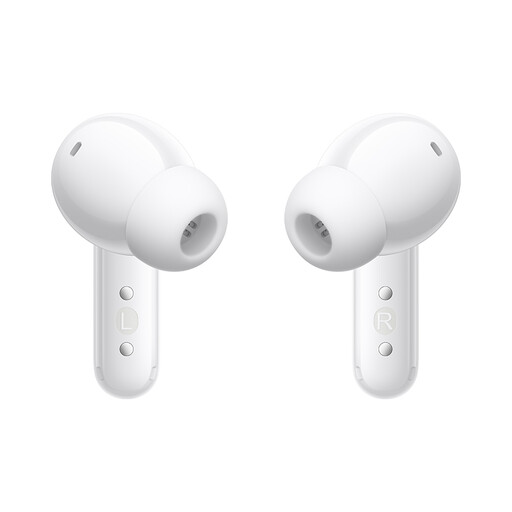
Why it's a good fit: Designed for the most active users. Whether you're running in the city, hitting the gym, or caught in a sudden downpour, they offer the durability and secure fit needed for worry-free workouts.
This model checks the essential boxes for sports: comfort and durability. The IP54 certification isn't just a marketing claim; it's a concrete guarantee against dust and sweat. Its excellent 9-hour battery life per charge ensures you won't run out of power mid-session.
Its active noise cancellation, rated up to 49 dB, is a real plus for tuning out a crowded gym. The 9-hour battery life on a single charge provides peace of mind, whether for long outings or back-to-back training sessions.
Explore our full selection of tested and approved products that meet our stringent safety standards and selection criteria.
Their lifespan primarily depends on the health of their small lithium-ion batteries. Generally, you can expect optimal performance for 2 to 3 years. After that, the battery life per charge will noticeably decrease. Regular maintenance and avoiding extreme temperatures can help extend their lifespan.
Yes, but with an important caveat. For mobile gaming or casual titles, most wireless earbuds will suffice. However, for competitive gaming on a PC or console (gaming headset), standard Bluetooth latency (that slight delay between video and audio) can be a real disadvantage. Serious gamers prefer dedicated headsets that offer a low-latency wireless connection via a USB dongle.
Proper cleaning is essential for both hygiene and the longevity of your earbuds. Use a soft, dry cloth for the earbud bodies and the case. Silicone tips can be removed and washed with warm, soapy water (make sure they are completely dry before reattaching them!). For the grilles, a small, soft brush or a dry cotton swab will be enough to remove debris. The golden rule: never apply liquid directly to the earbuds.