
Livraison le jour même ou le lendemain

Qualité garantie

Débloquez vos offres de bienvenue: Livraison GRATUITE | Jusqu'à -80 % | 30 jours d'essai gratuits à JoyPlus
Téléchargez l'application
The wireless earbuds market is a jungle. Between dazzling marketing promises and real-world performance, it's hard to know what to believe. Overstated battery life, bizarrely named noise reduction, and finicky connectivity… disappointments are common. Our mission? To help you decipher the spec sheets to make an informed choice that fits your needs, not the siren song of advertising.
Before you pull out your credit card, here are the 3 most common pitfalls to avoid:
To make the right choice, focus on objective data. It's far more reliable than any marketing pitch.
Forget the total figure and hunt down the per-earbud battery life on a single charge. For typical use (commuting, office), aim for a minimum of 5 to 6 hours per charge for peace of mind. If you plan on extended use without access to the case, 8 hours or more is recommended. Also, check for a fast-charging feature: 10 minutes of charging for an hour of listening can save a workout session or a crucial call.
For absolute silence, nothing beats simple earplugs like the classic QUIES. But to listen to your music in peace, you need to choose the right technology:
The Ingress Protection (IP) rating measures a device's resistance to water and dust. For sports earbuds, an IPX4 rating is the bare minimum. It guarantees resistance to sweat and splashes. An IPX5 rating or higher offers enhanced protection against water jets, allowing you to run in light rain with peace of mind.
Because every user is unique, here are a few models that meet specific needs, based on the objective criteria we've just covered.
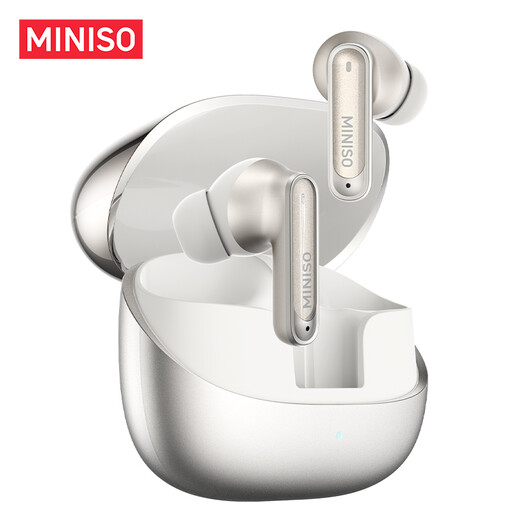
The Verdict: Perfect for daily commutes, study sessions, or occasional calls. It gets the essentials right, no frills, making it an excellent choice for a first pair or for moderate use.
The advertised 4-hour battery life per charge is honest for this price range and avoids the trap of inflated numbers. Its IPX5 rating is a real, tangible bonus, far better than a vague "sweat-resistant" claim.
An excellent price-to-performance ratio, with water resistance that's above the norm for this category.
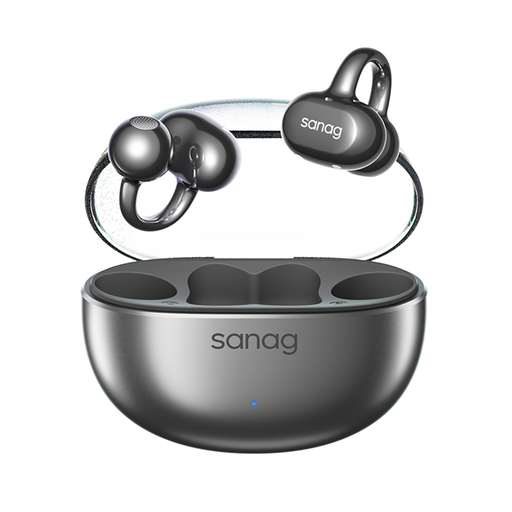
The Verdict: Designed for athletes (running, cycling) who need to stay aware of their surroundings. The open-ear design doesn't block the ear canal, ensuring better perception of external sounds for increased safety.
This model doesn't try to isolate you from the world. On the contrary, its main selling point is keeping you connected to it, thus sidestepping the "fake noise cancellation" trap. Its positioning is clear and straightforward.
The open-ear design, for maximum safety and comfort without pressure in the ear canal.
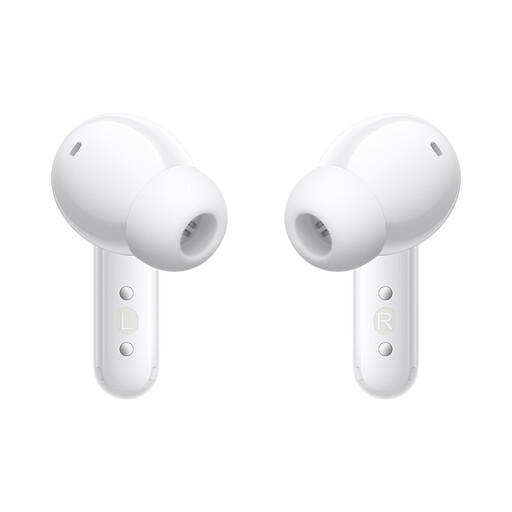
The Verdict: For those who demand total immersion and rock-solid battery life. With their high-performance active noise cancellation and record-breaking endurance, they are perfect for long journeys and bustling open-plan offices.
No empty promises here, just precise, verifiable figures: up to 49 dB of active noise cancellation and up to 9 hours of battery life on a single charge. Solid performance that justifies its positioning.
Marathon battery life (up to 9h per charge) and genuinely effective active noise cancellation.
The world of audio is vast. Gamers will gravitate towards a dedicated gaming headset like the Siukie H100 for immersion and microphone quality. Those who value absolute reliability might prefer the simplicity of a physical connection with wired USB-C earbuds like the Belkin G3H0002BTWHT-A, an excellent alternative without battery constraints. Finally, for a pristine desk setup, consider accessories like a headset stand to keep your gear tidy.
Explore our full selection of products that meet our strict selection criteria and European safety standards.
The Achilles' heel of wireless earbuds is their lithium-ion battery. It will inevitably lose capacity after 2 to 4 years, depending on your usage intensity. To preserve it, avoid full discharges, don't leave them in direct sunlight, and always store them in their case. The overall durability will depend on the build quality and IP rating.
Active Noise Cancellation (ANC) technology is not dangerous in itself. Quite the opposite! By isolating you from distracting noises, it often encourages you to listen to your music at a more reasonable volume, which protects your hearing. The real danger, as with any headphones or earbuds, comes from prolonged listening at excessive volumes. The golden rule: don't exceed 60% of the maximum volume and take regular breaks.
It's usually a breeze. Enable Bluetooth on your smartphone, tablet, or computer. Take the earbuds out of their case to initiate pairing mode (often indicated by a flashing LED). They will then appear in the list of available Bluetooth devices. Simply select them to finalise the connection. The next time, they will reconnect to your device automatically.