
Livraison le jour même ou le lendemain

Qualité garantie

Débloquez vos offres de bienvenue: Livraison GRATUITE | Jusqu'à -80 % | 30 jours d'essai gratuits à JoyPlus
Téléchargez l'application
The wireless earbuds market is a minefield of marketing promises, where choosing a pair can often become a headache. Between staggering battery life claims and noise cancellation touted as magic, it's easy to end up with buyer's remorse. This guide breaks down the criteria that truly matter, helping you find the perfect pair for your needs: sports, work, or simple listening pleasure.
Before diving into spec sheets, let's review the three classic mistakes that lead straight to disappointment.
The Waterproofing Mirage: Many brands boast "water resistance," an often vague and misleading claim. An IPX4 rating protects against splashes (like sweat) but won't survive a run in a downpour, let alone a fall into the pool. To go for a swim, you need an IP68 rating, period. Overlooking this detail is a surefire way to experience premature failure.
Theoretical vs. Real-World Battery Life: The figures advertised by brands are always measured in a lab under perfect conditions: 50% volume, noise cancellation (ANC) turned off, and the least power-hungry audio codec. In real life, with ANC on and the volume turned up, expect the battery life to drop by 30% to 50%. The only number that matters? The battery life with ANC enabled, if that feature is essential for you.
The "Universal" Noise Cancellation Myth: Not all noise cancellation (ANC) technologies are created equal—far from it. Entry-level ANC will suffice against low, continuous rumbles (like an airplane engine or an office fan). However, it will struggle with sudden, high-pitched sounds: conversations, ringtones, or the incessant clicking of your open-plan office neighbor's keyboard. To create a true bubble of silence at the office or on the subway, "adaptive" ANC is a must.
To navigate the jungle of technical specifications, focus on these three pillars. They are what will make all the difference in your daily use.
The form factor of your headphones directly impacts your comfort and the level of sound isolation.
The IP rating is an identity card for a device's resistance. The first digit relates to solids (dust), the second to liquids. For earbuds, it's the second digit that interests us most.
The Bluetooth version has a direct impact on connection stability, latency (the sound/image delay), and battery life. Aim for at least version 5.2 for a seamless experience. The holy grail of productivity? Multipoint connection. It allows you to link the Bluetooth headset to two devices at once (your PC and your smartphone, for example) and switch between them effortlessly. For the most discerning ears, compatibility with high-resolution codecs like LDAC or aptX HD is a definite plus: it ensures superior audio quality with much less loss during wireless transmission.
To illustrate our points, here is a selection of models that tick the right boxes for specific use cases.
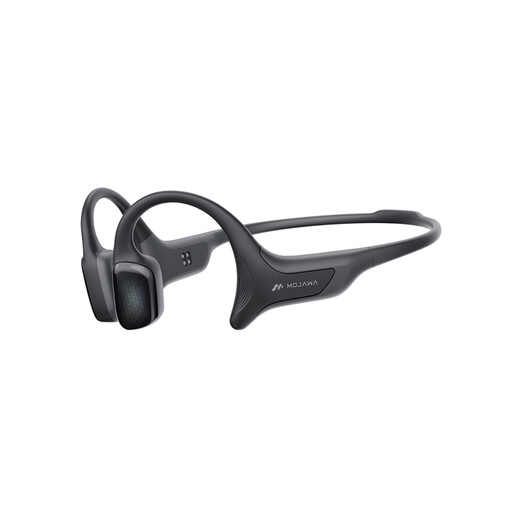
Why this model: Perfect for all-around athletes, from running to swimming. Its bone conduction technology ensures complete safety outdoors, and its built-in 32GB MP3 player lets you leave your smartphone in the locker.
No more ambiguity about waterproofing: with its IP68 certification, it's built for swimming, not just for resisting a few drops of sweat.
32GB MP3 player for training with total freedom; Open-Ear design to stay aware of your surroundings.
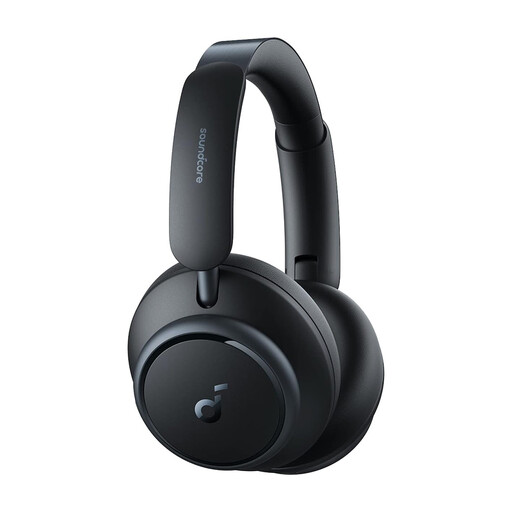
Why this model: Designed for long trips and noisy open-plan offices. Its over-ear design ensures optimal comfort for hours, and its massive battery life makes it a reliable travel companion.
It tackles the two classic pitfalls (battery life and ANC) by providing clear figures: up to 40 hours with ANC, a realistic number for heavy use, and truly adaptive noise cancellation.
Marathon battery life (up to 60 hours without ANC); LDAC codec support for high-fidelity sound.

Why this model: Much more than just earbuds. They feature a real-time translation function (135 languages via a dedicated app), making them a brilliant gadget for globetrotters or international professionals.
Instead of getting into a marketing numbers war, this model stands out with a unique and genuinely useful feature. The case with a touchscreen is the icing on the cake for simple, visual control.
Integrated AI translator (135 languages); Charging case with a touchscreen control panel.
We have curated a complete and up-to-date selection of products that meet our strict selection criteria and current safety standards.
It all depends on their lithium-ion battery. Just like a smartphone, it wears out and loses capacity after a certain number of charge cycles (usually between 300 and 500). In practical terms, for daily use, you can expect a lifespan of 2 to 4 years before the drop in battery life becomes truly detrimental. A few good habits can extend their life: avoid fully draining them and exposing them to extreme temperatures.
Yes, provided you choose a model that supports Bluetooth multipoint. This very convenient feature allows you to connect your headset to two devices at the same time, such as your computer and your smartphone. Listening to music on your PC? If a call comes in on your mobile, the headset switches over automatically. No more juggling connections!
Yes, and the impact is far from negligible. To work, ANC uses microphones to analyze surrounding noises and create an inverse sound signal to neutralize them. This constant process puts a heavy load on the processor and, therefore, the battery. On average, enabling ANC can reduce battery life by 20% to 40%. It's a trade-off to keep in mind if endurance is your number one priority.