
Livraison le jour même ou le lendemain

Qualité garantie

Débloquez vos offres de bienvenue: Livraison GRATUITE | Jusqu'à -80 % | 30 jours d'essai gratuits à JoyPlus
Téléchargez l'application
The market for wireless earbuds is a crowded one. With a growing number of form factors, noise-cancelling technologies, and battery life promises, finding the right pair can be a daunting task. This guide is here to cut through the noise and help you find the model that will be by your side every day, whether you're commuting, at the gym, working from home, or just want to get lost in your music.
Before diving into our selection, here are the essential criteria to consider to make the right choice.
The ideal form factor depends primarily on your comfort and how you plan to use them.
Two features have become all but essential:
For music lovers, support for high-resolution audio (Hi-Res) via codecs like LDAC or aptX HD can be a real game-changer. Microphone quality has also become a key criterion, especially with the rise of remote work. Mics equipped with technologies to reduce background noise (wind, chatter) ensure your voice remains crystal clear to your callers.
Here are three standout picks that meet specific needs and excel in their category.
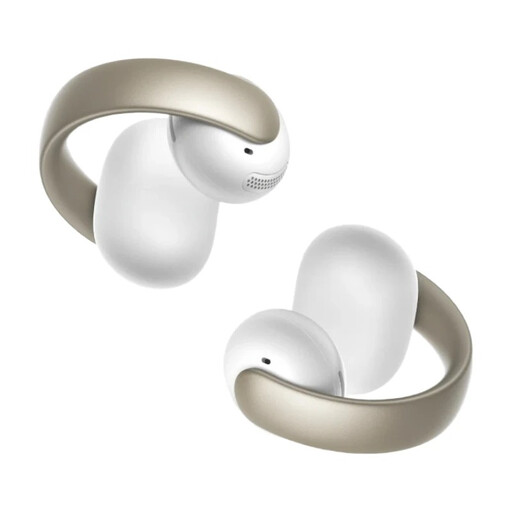
Why we love it: The Soundcore AeroClip tick all the boxes for modern sports earbuds: comfort, an impeccable fit, and awareness of the world around you. Their open-ear design frees the ear canal from any pressure, making them incredibly comfortable, even over long periods. Their flexible ear hooks guarantee a rock-solid fit, even during the most intense workouts.
Key features:
Who is it for? For athletes, runners, and anyone who dislikes in-ear models or simply wants to keep an ear on their surroundings without pausing their music.
See the Soundcore AeroClip By Anker
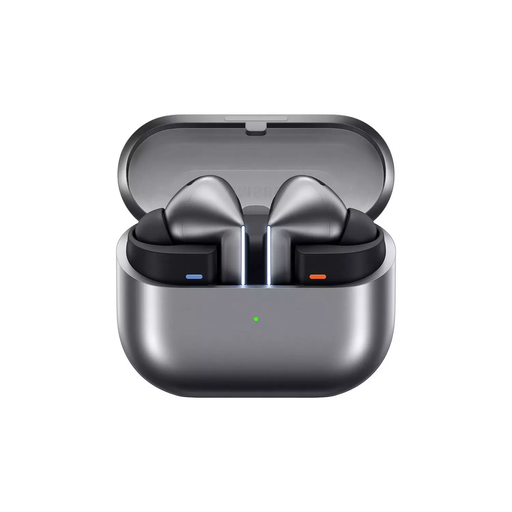
Why we love them: The Samsung Galaxy Buds3 Pro are aimed at sound purists and demanding audiophiles. They feature a dual-driver system and 2-way speakers for incredibly precise sound, with deep bass and crystal-clear highs. Support for 24-bit Hi-Fi audio preserves the subtlest nuances of your favourite tracks. Samsung highlights its adaptive Galaxy AI noise cancellation, which analyses the environment to adjust isolation in real time.
Key features:
Who is it for? For audiophiles and fans of the Samsung ecosystem looking for high-fidelity sound, smart features, and seamless integration with their Galaxy devices.
See the Samsung Galaxy Buds3 Pro
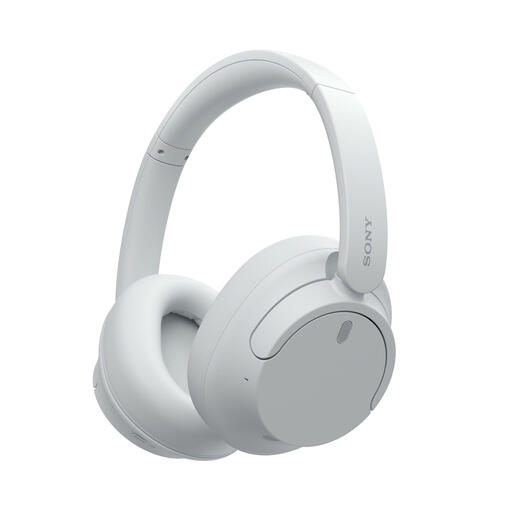
Why we love it: The Sony WH-CH720N Bluetooth headphones are the champion of immersion and endurance. Their over-ear design comfortably envelops the ears, providing excellent passive isolation, which is further enhanced by highly effective active noise cancellation. Its masterstroke remains its marathon battery life, reaching 35 hours with ANC on and up to 50 hours without it.
Key features:
Who is it for? For frequent travellers, remote work professionals, and anyone who wants to shut out the outside world for hours on end without ever worrying about the battery.
Wireless offers unparalleled freedom of movement, but some still prefer the simplicity and reliability of a wired connection, which never runs out of battery. If you're looking for a more traditional alternative or a reliable backup pair, take a look at our selection of white wired earbuds.
Discover our range of wired earbuds
Passive isolation is the "plug" effect created by the design of the earbuds themselves (in-ear tips, enveloping earcups...). It physically blocks sound. ANC (Active Noise Cancellation), on the other hand, is an electronic technology: microphones capture ambient noise, and an inverse sound signal is generated to cancel it out. It's an active cancellation, not just a blockage.
Yes, absolutely. Many models are even specifically designed for sports. Look for earbuds that offer an excellent fit (hooks, wings, stable open-ear design) and a water and sweat resistance certification (IPX4 rating or higher).
Codecs define how sound is compressed to travel via Bluetooth. SBC is the universal basic codec, functional but nothing more. AAC, widely used by Apple, is already a step up in quality. Finally, codecs like aptX or LDAC are the cream of the crop: they limit quality loss and get closer to high-resolution audio sound. Note that both your source device (smartphone) and your earbuds must be compatible to benefit from them.