
Livraison le jour même ou le lendemain

Qualité garantie

Débloquez vos offres de bienvenue: Livraison GRATUITE | Jusqu'à -80 % | 30 jours d'essai gratuits à JoyPlus
Téléchargez l'application
The wireless earbuds market is a veritable jungle, and it's easy to get lost. Between bold marketing promises and an avalanche of technical specs, making the right choice can feel like an uphill battle. The result? Too many users end up disappointed with a purchase that doesn't meet their expectations, thanks to a few common pitfalls. Before you take the plunge, here are the key things to watch out for to avoid a bad investment.
The three most common pitfalls are:
To navigate this crowded market, it's crucial to focus on the features that truly matter to you.
Instead of relying on marketing slogans, focus on three key parameters that will make all the difference in the long run.
The design of your earbuds directly impacts comfort, sound quality, and your safety.
If your goal is to create a bubble of silence, a simple "noise reduction" label isn't enough. Demand true ANC (Active Noise Cancelling) technology. The most advanced systems, like Adaptive ANC, use microphones to analyse ambient noise in real time and automatically adjust the level of cancellation. This feature is especially valuable for frequent travellers and those who work in environments with fluctuating noise levels.
The quality of your listening experience also depends on the stability of the Bluetooth connection. A recent version (like Bluetooth 5.3) ensures a more stable connection and better power management. For audiophiles, the audio codec is a non-negotiable criterion. While SBC is the universal basic codec, more advanced codecs like AAC (optimised for Apple devices) or LDAC (for high-resolution audio on Android) transmit far more data, delivering richer, more detailed sound.
To help you see how these criteria apply in practice, here are a few recommended options, each tailored to a specific use case.
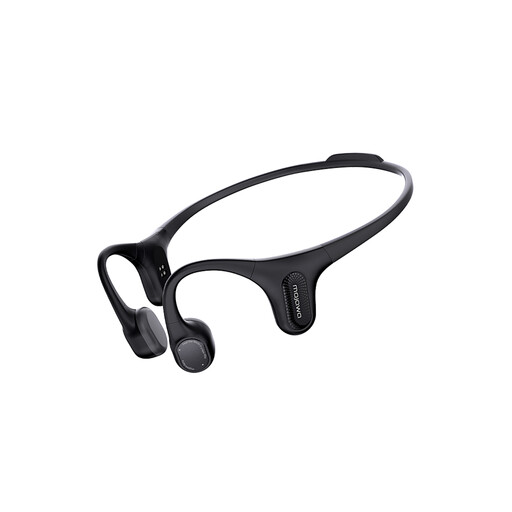
Why it's the right choice: Designed for athletes, this bone conduction model lets you listen to music while remaining fully aware of your surroundings (traffic, pedestrians, etc.)—a non-negotiable safety feature for running or cycling outdoors.
It directly solves the problem of poor fit and discomfort. Its lightweight frame and ear-hugging design ensure perfect stability during exercise, with zero pressure in the ear canal.
Bone conduction technology for maximum safety; IP67 certification for sweat and rain resistance.
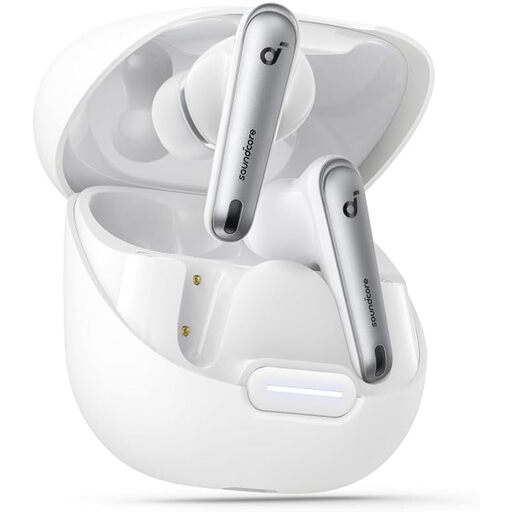
Why it's the right choice: Perfect for daily commutes and open-plan offices. Its noise cancellation adapts to your environment in real time to create a bubble of quiet, ideal for focusing or taking crystal-clear calls.
It delivers on the promise of truly effective noise cancellation. Its Adaptive ANC 2.0 analyses your surroundings and continuously adjusts the isolation for optimal performance, light-years ahead of basic, disappointing solutions.
High-performance Adaptive ANC; 6 microphones with an AI algorithm for crystal-clear calls; extra-long battery life (up to 50h with the case).
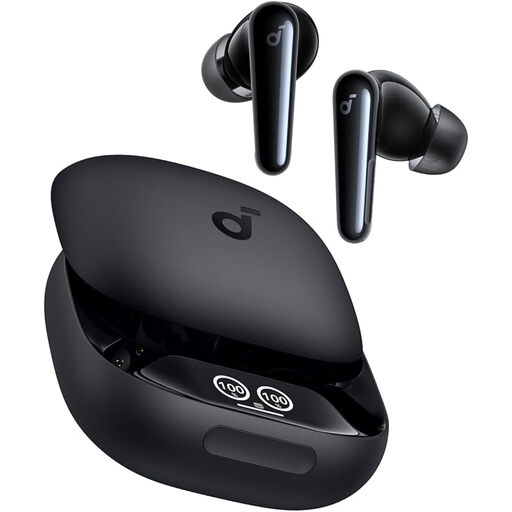
Why it's the right choice: For those who make no compromises on audio quality. They feature an advanced acoustic architecture and support for the LDAC codec, delivering a wireless listening experience that rivals studio quality.
It avoids the pitfall of sacrificing sound quality for other features. Here, the focus is on audio fidelity, with premium components and superior transmission technology.
Upgraded ACAA acoustic architecture; LDAC codec support for Hi-Res Audio; adaptive noise cancellation.

Why it's the right choice: Perfect for those who wear their earbuds all day long. The "open-ear" clip-on design prevents ear canal fatigue and allows you to stay connected to your surroundings, whether at the office or at home.
It tackles the discomfort pitfall head-on. Unlike in-ear models that can become irritating over time, its non-intrusive design is made for extended wear without any feeling of pressure.
Open-ear design for long-lasting comfort; maintains environmental awareness; Hi-Fi stereo sound for a quality listening experience.
We have curated a full range of products that meet our selection criteria and current safety standards.
The lifespan depends on usage and build quality, but the weakest link is always the lithium-ion battery. Generally, you can expect 2 to 4 years of use before battery degradation becomes a significant issue. To make them last longer, avoid extreme temperatures and never store them completely discharged for long periods.
Not at all. While they are popular with athletes, bone conduction or open-ear models are an excellent option for anyone who wants to listen to music without being cut off from the world. They're ideal for parents keeping an ear on their children, for bike commuters in the city, or for professionals who need to stay aware of their colleagues.
For crystal-clear calls, choose models equipped with multiple microphones and a dedicated voice noise reduction technology (often called cVc or based on AI). Also, make sure the earbuds are positioned correctly and their internal software (firmware) is up to date, as manufacturers often release updates that improve microphone performance.