
Livraison le jour même ou le lendemain

Qualité garantie

Débloquez vos offres de bienvenue: Livraison GRATUITE | Jusqu'à -80 % | 30 jours d'essai gratuits à JoyPlus
Téléchargez l'application
The wireless earbuds market is overflowing with promises: infinite battery life, magical noise cancellation, foolproof waterproofing... As a product expert at Joybuy, I'm here to cut through the marketing jungle and help you find the model that truly fits your needs.
Before you buy, watch out for these three common mistakes that can cost you dearly:
To avoid these pitfalls, let's review the essential criteria to check before you buy.
Choosing wireless earbuds is about more than just colour or brand. Three technical features will make all the difference between a daily companion and a source of frustration.
The Ingress Protection (IP) rating is an international standard that measures a device's resistance. It consists of two digits: the first for solids (dust) and the second for liquids (water).
It's crucial to distinguish between the two main types of noise cancellation technology.
Comfort and your primary use case will determine the best form factor for you.
Here are a few options that meet specific needs, taking into account the criteria we've just covered.
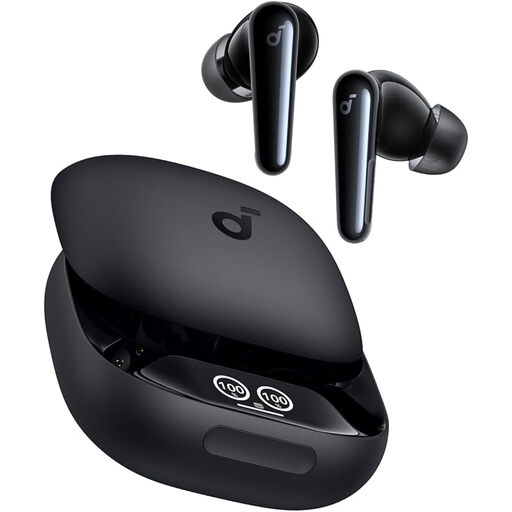
WHY IT'S THE RIGHT CHOICE: The perfect companion for professionals juggling public transport and the office. Its adaptive noise cancellation adjusts in real-time to your surroundings, whether it's the roar of the subway or conversations in an open-plan office. The 6-microphone system ensures professional-grade call clarity.
This model features true adaptive ANC for listening, not just basic noise reduction for calls. It sidesteps the most common marketing trap.
Hi-Res Audio quality for a rich, detailed listening experience, combined with long battery life and fast charging, perfect for long days.
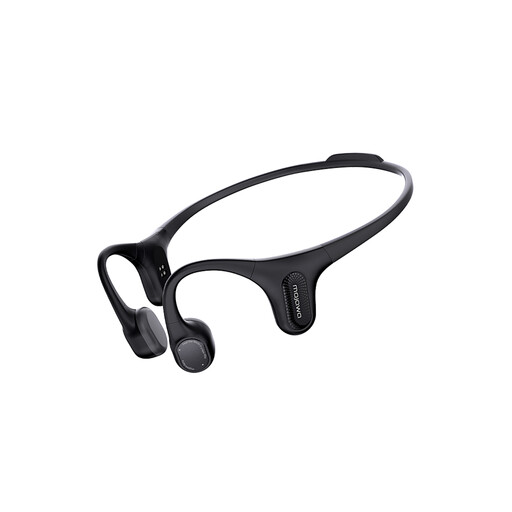
WHY IT'S THE RIGHT CHOICE: Designed for athletes who train outdoors. The bone conduction technology leaves your ears open, which is essential for staying alert to traffic. Its IP67 rating protects it from both sweat and rain.
It addresses the dual challenge of comfort and safety. Unlike in-ear models that cut you off from the world, its open-ear design is built for awareness—a non-negotiable feature for urban sports.
A rock-solid fit during exercise and perfect environmental awareness. The IP67 rating provides complete peace of mind, even in the rain.
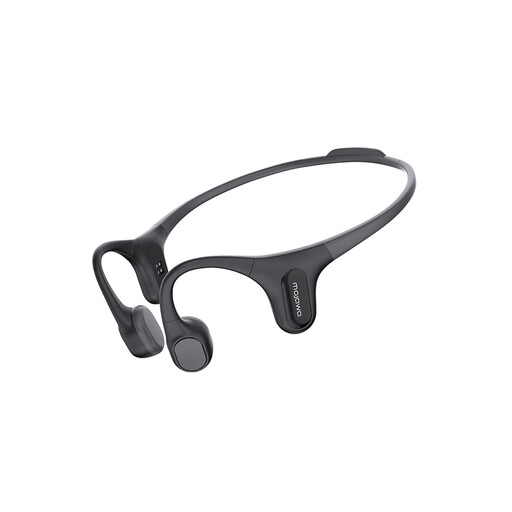
WHY IT'S THE RIGHT CHOICE: The go-to model for swimmers. Its IP68 waterproof rating allows it to withstand prolonged immersion. Since Bluetooth is inoperable underwater, it includes a 32GB MP3 player for listening to your music completely untethered.
It sidesteps the "fake waterproof" trap. This isn't just a sweat-resistant model, but a true pair of swimming headphones with the essential technical features: an IP68 rating and internal storage.
Complete autonomy thanks to the 32GB MP3 player and a certified IP68 waterproof rating for swimming in both pools and open water.
Discover our full range of products that meet our demanding selection criteria and current safety standards.
The lifespan is primarily limited by their lithium-ion battery, which loses capacity over charge cycles (typically between 300 and 500). In practical terms, with daily use, you can expect a noticeable decline in battery life after 2 to 3 years. To extend their longevity, avoid fully draining the battery and do not expose them to extreme temperatures.
No, ANC technology is not dangerous in itself. It doesn't increase sound pressure; on the contrary, it emits an "anti-noise" that cancels out surrounding low-frequency sounds. The danger to your hearing, as always, comes from listening at too high a volume for extended periods. One of the major benefits of ANC is that it allows you to listen to your music at a more reasonable volume, even in a noisy environment.
Yes, but only with models specifically designed for this purpose. Two features are essential to check for: an IP68 waterproof rating and a built-in MP3 player. Since the Bluetooth signal does not travel underwater, standard earbuds connected to your smartphone would be useless after the first lap.