
Livraison le jour même ou le lendemain

Qualité garantie

Débloquez vos offres de bienvenue: Livraison GRATUITE | Jusqu'à -80 % | 30 jours d'essai gratuits à JoyPlus
Téléchargez l'application
A wireless Bluetooth headset with noise cancellation can transform a train journey, a day of remote working or a revision session. But you need to know what manufacturers' promises really mean. Product specs often mix up maximum battery life, passive isolation and active noise cancellation. The result? Some buyers pay for a feature they don't really need, or discover after a few weeks that their headset is uncomfortable, flimsy or disappointing for calls.
Here are the criteria to consider before buying, followed by a selection tailored to different types of users in the UK.
A closed-back over-ear headset already reduces some noise thanks to its ear cushions. Active noise cancellation, or ANC, uses microphones and electronic processing to reduce certain ambient sounds, particularly the steady hum of a plane, train or ventilation system.
It doesn't eliminate all voices, horns or sudden noises. A claim like "–44 dB" should therefore be taken with a pinch of salt: it's a value measured under specific conditions, not a guarantee of identical isolation in every environment.
Battery life depends on listening volume, ANC usage, calls, the Bluetooth codec and temperature. A model advertised at 50 or 60 hours can last significantly less with noise cancellation turned on.
Also look at fast charging, the presence of an audio cable and the ability to use the headset when it's out of battery. These details become crucial on a long journey or a workday away from a power socket.
A Bluetooth headset can have an impressive spec sheet yet become uncomfortable to wear after a few hours. For prolonged use, consider the weight, the shape of the ear cushions, the headband adjustment and ventilation.
For video calls, a headset with a built-in microphone and ambient noise processing will often be more practical than a model designed primarily for music listening. A foldable headset is easier to carry, but its hinges need careful handling.
Aim for at least an ANC mode, a transparency or ambient mode, and the ability to switch noise cancellation off completely. Ambient mode lets you stay aware of announcements and traffic without having to remove the headset.
The water and dust resistance rating has nothing to do with ANC. An IP54, IP57 or IPX7 certification tells you about resistance to dust and water, depending on the product and the limits set by the manufacturer. A standard over-ear headset isn't generally designed for exercising in the rain, even if it can handle a few splashes or light moisture.
Compare battery life separately with ANC on and off. A duration of 35 hours with ANC, for example, will be far more meaningful for a regular traveller than a maximum battery life measured without noise cancellation.
Bluetooth multipoint lets you switch easily between a computer and a phone. A 3.5 mm jack socket is a handy backup, while USB-C makes charging simpler. Wireless Bluetooth earbuds focus on discretion and a compact footprint, but their battery life per charge is often shorter than that of an over-ear headset.
The size of the drivers alone isn't enough to predict sound quality. Instead, check the supported codecs, the presence of an equaliser in the app and the ability to use the headset wired. For calls, the number of microphones and ambient noise processing give useful clues, but don't guarantee perfect quality on a busy street or in an open-plan office.
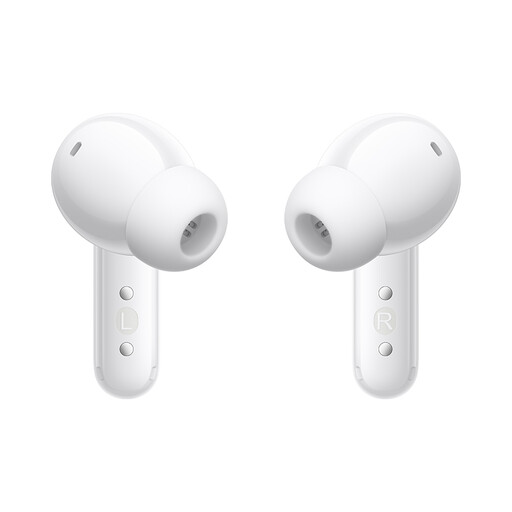
Why this choice suits this profile: These noise-cancelling earbuds are ideal for daily commutes, studying and calls when you want to travel light.
The spec sheet clearly states up to 9 hours of listening per earbud and up to 42 hours with the charging case: no confusion between the two battery figures.
Active noise cancellation rated up to 49 dB, Bluetooth 5.3, IP54 rating and a 12.4 mm dynamic driver.
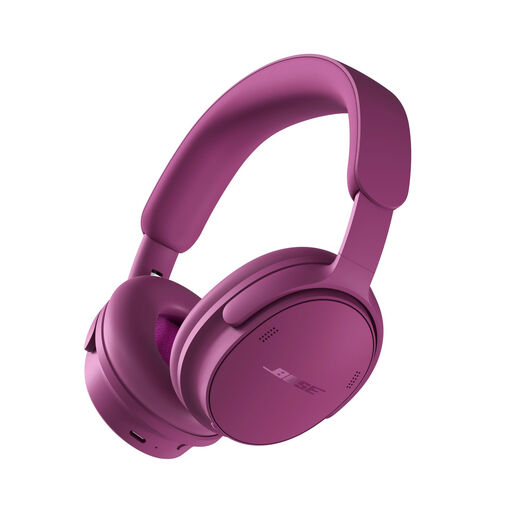
Why this choice suits this profile: This over-ear headset is aimed at listeners who prioritise comfort, different listening modes and a headset that's as enjoyable at home as it is when travelling.
The spec sheet distinguishes Quiet mode, Aware mode, immersive features and USB wired listening, rather than presenting ANC as a simple on/off switch.
Stated battery life up to 24 hours, six microphones, Bluetooth 5.4, USB-C and audio cable included.
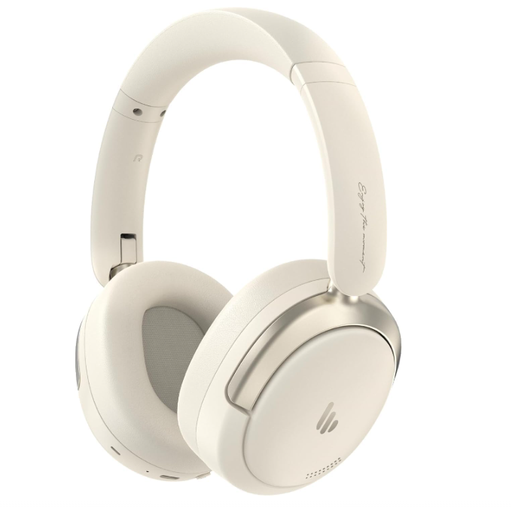
Why this choice suits this profile: Its foldable design, built-in microphone and dual-device connection make it relevant for remote working, travel and long listening sessions.
The hybrid noise reduction rated up to –44 dB is accompanied by a USB-C wired mode for high-resolution audio. Handy when the battery or wireless connection lets you down.
Stated battery life of 45 hours, Bluetooth 5.4, multipoint connection and microphone with ambient noise reduction.
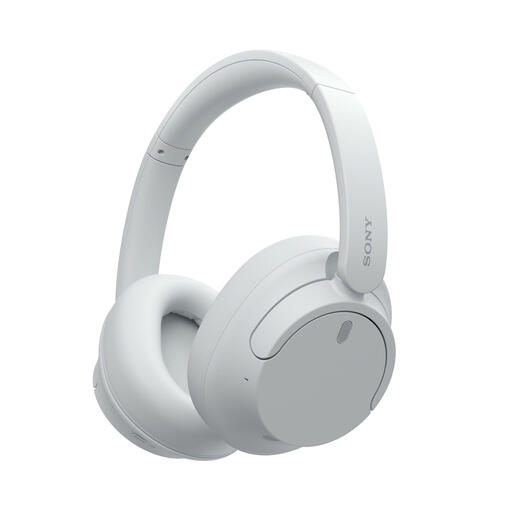
Why this choice suits this profile: Lightweight and versatile, this over-ear headset is suitable for commutes, calls and watching videos, with a wired backup option.
Battery life is broken down by usage: up to 50 hours without ANC and 35 hours with ANC. The jack socket also lets you keep listening without Bluetooth.
Over-ear design, Bluetooth multipoint, built-in microphone, USB-C and a stated weight of 192 g.
We've put together a comprehensive, real-time updated selection of products that meet these strict criteria as well as European safety requirements.
Yes. It can reduce a good portion of the continuous noise from trains, the Tube or planes. To hear announcements and stay aware of your surroundings, switch to transparency mode if the headset has one. Effectiveness also depends on the fit of the ear cushions and the nature of the noise you're trying to filter out.
A stated battery life of at least 30 hours with ANC generally gives you a good margin between charges. Still, take the time to check the measurement conditions and whether there's a fast-charging feature. For occasional use, wireless Bluetooth earbuds with their charging case can be perfectly adequate.
Store it in a case, avoid moisture if no IP rating is stated, and clean the ear cushions with a soft, dry cloth. Keep the volume at a reasonable level and follow the manufacturer's recommendations for the battery, USB-C cable and charging.