
Livraison le jour même ou le lendemain

Qualité garantie

Débloquez vos offres de bienvenue: Livraison GRATUITE | Jusqu'à -80 % | 30 jours d'essai gratuits à JoyPlus
Téléchargez l'application
A wireless Bluetooth headset or pair of earbuds can accompany you on your daily commute, during work calls, at the gym, or through late-night gaming sessions. But an attractive product listing doesn’t always guarantee an experience that suits your needs. Some technical details, often buried at the bottom of the page, can have a greater impact on comfort and longevity than the long list of features pushed to the forefront.
A battery life advertised as “up to” several dozen hours is usually based on very specific conditions: moderate volume, noise cancellation switched off, and a brand-new battery. For TWS earbuds, also distinguish between the battery life on a single charge and the number of extra charges provided by the case.
Make sure you check:
Bluetooth 5.3, Bluetooth 5.4, or a newer version can contribute to a more stable connection and better power management. However, that doesn’t mean a recent headset automatically makes an older smartphone or computer compatible with all its features.
Before ordering, check the supported profiles, compatibility with iOS and Android, the stated range, and whether Bluetooth multipoint is available. This feature lets you connect two devices, but its behaviour can vary noticeably from one model to another.
An IP54, IPX5, or IP67 rating doesn’t cover the same uses. The first digit indicates the level of protection against solid particles, while the second relates to water resistance under defined conditions. A product designed for running in the rain isn’t necessarily suitable for swimming.
Take the time to read the limits set by the manufacturer: whether immersion is allowed, for how long, to what depth, and what precautions to take before charging. For waterproof sports earbuds, also check how well they stay in place, because an IP rating says nothing about their fit in your ear.
TWS earbuds are lightweight and easy to slip into a pocket, but how well they stay in place depends on the shape of your ear and the ear tips supplied. Over-ear models, such as a wireless circum-aural headset, generally distribute pressure more evenly, at the cost of being bulkier.
For prolonged wear, look at the weight, the material of the ear cushions, whether the headband can be folded, and the pressure exerted around your ears. An open-back or bone-conduction model lets you stay more aware of your surroundings, but the sound quality and isolation won’t match those of a closed-back headset.
Active noise cancellation uses microphones and electronic processing to reduce certain ambient sounds. It’s particularly useful on trains, planes, or in shared workspaces. Its effectiveness depends on the type of noise targeted: continuous sounds are generally easier to reduce than voices or irregular noises.
For calls, choose a model with a built-in microphone and, if possible, some indication of background noise reduction. A wireless Bluetooth headset with a directional microphone or voice processing can work well for meetings, but quality will also depend on the app you’re using, your network, and your environment.
The diameter of the drivers alone isn’t enough to predict audio performance. Also look at the supported codecs, the frequency range, whether there’s a wired mode, and the settings available in the companion app. The mention of high-resolution audio should be considered alongside your phone’s compatibility, the source, and the connection method.
For gaming, a low-latency mode, a dongle connection, or a cable can reduce the delay between picture and sound. Also check compatibility with your console: Bluetooth, USB adapter, and headphone jack aren’t always interchangeable.
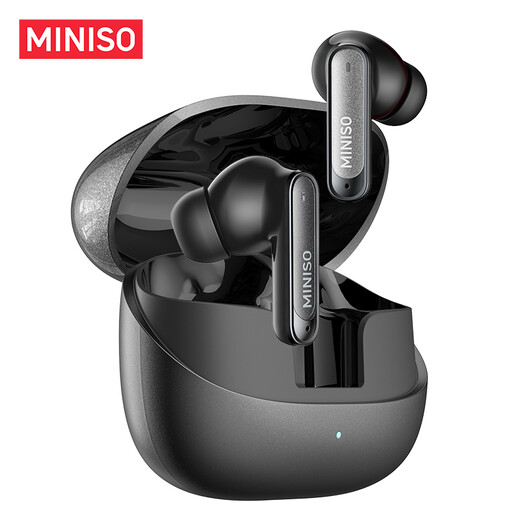
Why this choice suits this profile: This TWS format is ideal for commuting, calls, and everyday first-time use with an Android smartphone or iPhone.
The listing mentions an IPX5 rating, a built-in microphone, and around 4 hours of battery life per charge. Compare these figures with your actual usage.
Advertised Bluetooth 6.0, USB-C charging case, and compatibility with standard Bluetooth devices.
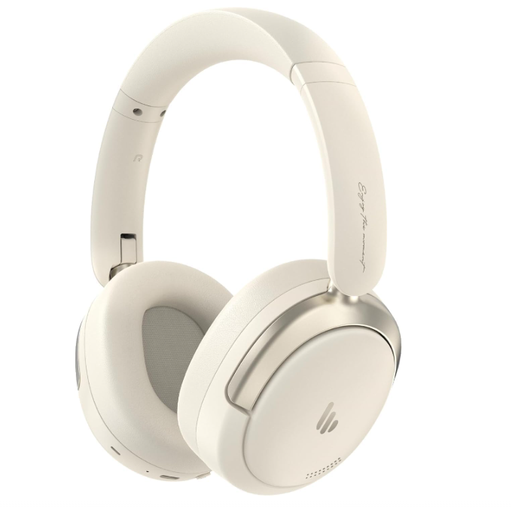
Why this choice suits this profile: Its foldable circum-aural design and advanced features are aimed at those who switch between music, work, and travel.
Hybrid noise cancellation, rated up to 44 dB, is paired with a USB-C wired connection for high-resolution audio. A welcome alternative to Bluetooth.
Bluetooth 5.4, dual-device connection, built-in microphone, 40 mm drivers, and an advertised battery life of 45 hours.
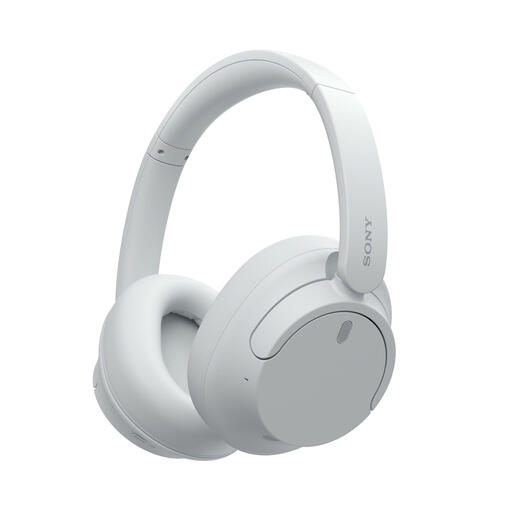
Why this choice suits this profile: This headset is built for long listening sessions at home, at work, or on public transport, with the option to switch from wireless to wired.
Battery life is detailed with ANC on or off: up to 35 hours with noise cancellation and 50 hours without it.
Active noise cancellation, 3.5 mm headphone jack, Bluetooth 5.2, built-in microphone, and USB-C charging.
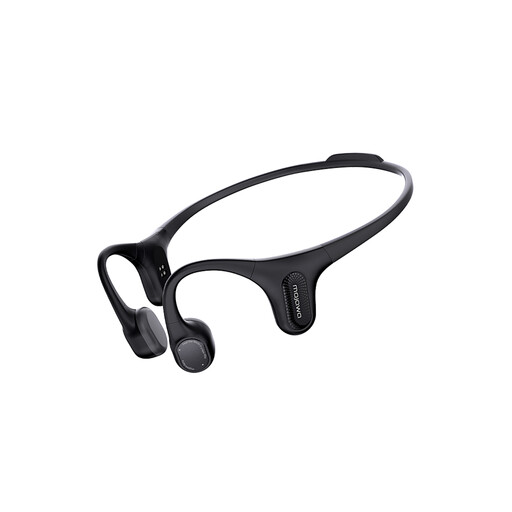
Why this choice suits this profile: Its open-ear design is aimed at runners and cyclists who want to stay aware of surrounding sounds.
The IP67 rating is clearly stated, but the manufacturer specifies that the model isn’t intended for swimming lengths. A limit to keep in mind so you don’t overestimate the rating.
Open-ear design, built-in microphone, Bluetooth connection, and an advertised IP67 rating.
We’ve put together a comprehensive, real-time updated list of products that meet these strict selection criteria as well as European safety requirements.
Turn on Bluetooth in your phone’s settings, open the case or switch on the headset, then select its name from the list of available devices. If the connection fails, remove an old pairing, recharge the accessory, and start the process again. Multipoint may require an extra step in the manufacturer’s app.
It depends on the battery, how often you use it, heat exposure, and the number of charge cycles. Avoid extreme temperatures, moisture while charging, and prolonged high volumes. For TWS earbuds, the built-in battery may wear out sooner than that of an over-ear headset.
Power consumption is generally moderate, but it increases with active noise cancellation, high volume, demanding codecs, or certain tracking and app features. To preserve battery life, switch off unused options and use a USB-C cable that meets the manufacturer’s recommendations.