
Livraison le jour même ou le lendemain

Qualité garantie

Débloquez vos offres de bienvenue: Livraison GRATUITE | Jusqu'à -80 % | 30 jours d'essai gratuits à JoyPlus
Téléchargez l'application
A wireless Bluetooth headset can accompany you on the tube, during work calls, at the gym or during your gaming sessions. But a very detailed product page doesn't always guarantee an experience that suits your habits. Some features are highlighted without their limitations being clearly explained, while practical aspects can sometimes take a back seat.
Before you place your order, keep these three pitfalls in mind:
An over-ear headphone envelops your ears with its cushions. It generally offers better passive isolation than an on-ear model, but can also make you feel warmer and take up more space in your bag. Consider its weight, the pressure exerted by the headband, the softness of the cushions and whether it can be folded for transport.
Bluetooth earphones, particularly TWS earphones, are more discreet and easier to carry around. However, their battery life per charge is often shorter than that of a headset with a larger battery. The charging case then becomes essential.
For sport, an open-back model or bone conduction headphones might be a better choice. Bone conduction earphones leave your ears free, which helps you better hear traffic and surrounding noises. On the flip side, this design won't suit those looking for significant isolation on public transport.
Always compare the stated battery life across the different modes available. Activating ANC, frequent calls and high volume will generally reduce listening time. A long-lasting Bluetooth headset should also offer convenient charging, ideally via USB-C, and, if possible, a fast-charge feature.
The ability to use a wired connection is also worth your attention. Some USB-C audio headsets or those with a headphone jack can still work when the battery is nearly empty. This is particularly handy with a computer, console or an aeroplane's entertainment system.
Bluetooth 5.3 or 5.4 can contribute to a stable connection while managing power consumption, but the range also depends on obstacles and the source device. Multipoint functionality allows you to connect two devices, such as a smartphone and a computer, without having to re-pair each time you switch.
For meetings and calls, check for a headset with a microphone and its ambient noise reduction features. Their effectiveness can vary depending on the environment, the microphone's position and the presence of wind.
Finally, the IP rating needs to be interpreted carefully. An IPX5 product resists water jets under the conditions specified by the manufacturer, while an IP67 model can withstand temporary immersion, within certain limits. Neither rating automatically makes a device suitable for the swimming pool. For sports use, also check the recommendations regarding drying and charging.
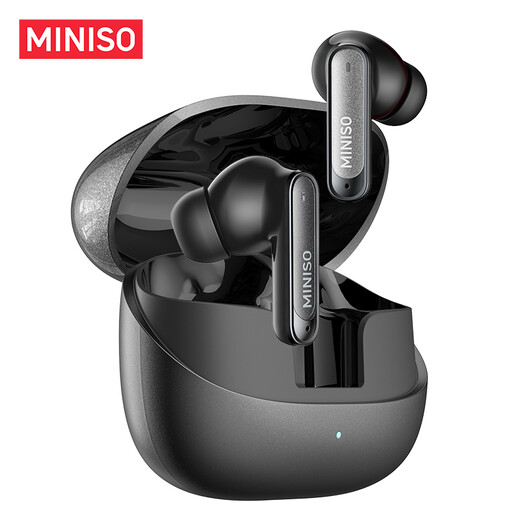
Why this choice suits this profile: These TWS earphones are suitable for calls, studying, office work and daily commutes. Their compact design slips easily into a pocket, along with the charging case.
The product page states around 4 hours of battery life per earbud and up to 7 additional charges from the case. This information helps you better anticipate your needs, rather than relying on a vague overall battery life figure.
Bluetooth 6.0 stated, built-in microphone, iOS and Android compatibility, IPX5 rating indicated on the product page.
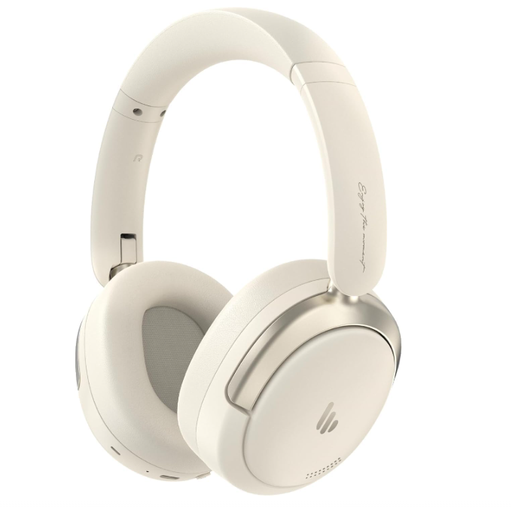
Why this choice suits this profile: Its over-ear design, hybrid noise cancellation and app-based customisation meet the needs of listening at home, at work and on public transport.
The product page distinguishes between noise reduction stated at up to -44 dB, battery life of up to 45 hours and Hi-Res audio via USB-C. These features should be compared separately, based on your usage.
Bluetooth 5.4, dual-device connection, built-in microphone, fast charging and foldable design.
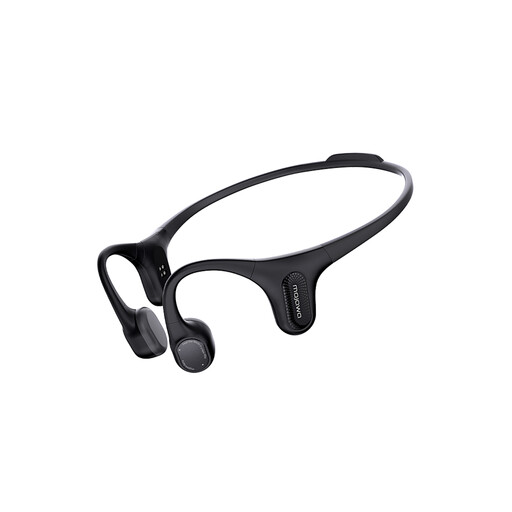
Why this choice suits this profile: This open-back model is designed for runners and cyclists who want to stay aware of external sounds while listening to music or podcasts.
The product page specifies the IP67 rating, while also stating that the product is not designed for swimming lengths. The magnetic connectors must be completely dry before charging.
Open-back design, built-in microphone, wireless Bluetooth and IP67 rating stated for sports activities.
We've put together a comprehensive, real-time updated selection of products that meet these demanding criteria as well as European safety standards.
Turn on Bluetooth on your phone, put the headphones into pairing mode, then select their name from the list of available devices. If the connection fails, turn Bluetooth off and on again, and check that the headphones aren't already connected to another device. With a multipoint model, consult the manual to learn how to register the second device.
This depends mainly on the battery, how often you charge it, heat and storage conditions. Avoid leaving the headphones in direct sunlight or completely discharged for a long period. The cushions, cables and ear tips are wear parts to keep an eye on. In the UK, the Consumer Rights Act applies under the conditions set out by the legislation.
Charging a headset or earphones generally uses very little electricity compared to many household appliances. The cost mainly depends on the battery capacity and how often you charge them. Adjusting the volume and active features to your needs also helps avoid unnecessary charging cycles.