
Livraison le jour même ou le lendemain

Qualité garantie

Débloquez vos offres de bienvenue: Livraison GRATUITE | Jusqu'à -80 % | 30 jours d'essai gratuits à JoyPlus
Téléchargez l'application
Wireless Bluetooth headphones aren’t chosen on price alone or by the length of the spec sheet. Between TWS earbuds, open-ear models, bone conduction headsets and clip-on earphones, each design has a direct impact on comfort, how well they stay in your ear and sound quality.
Three mistakes crop up time and again when buying:
In-ear headphones, like the OPPO Enco Buds3, sit inside your ear canal. They generally offer better isolation and a compact design, complete with a charging case. However, do check the size of the ear tips and how well they stay put, especially if you plan to wear them for several hours at a time.
Open-ear headphones and clip-on models don’t fully block your ear canal. They can be useful in the city or for certain outdoor activities, as they let you hear more of your surroundings. Bear in mind, though: a volume that’s too high can still mask a siren or an alert. This design doesn’t let you let your guard down, particularly when cycling or near traffic.
Bone conduction headsets typically sit around the ear and transmit vibrations through the area in front of it. They suit people who don’t want to insert anything into their ear canal. The musical reproduction, however, is different from a closed-back headset, especially in the bass frequencies.
To compare models with long battery life, always distinguish three figures: the battery life of the headphones alone, the battery life you get with the case, and the duration available when certain features, like ANC, are switched on.
The Sony WH-CH720N claims up to 50 hours without ANC and up to 35 hours with ANC. It also offers a USB-C port and a wired connection via a 3.5 mm jack. TWS earbuds, on the other hand, recharge in their case: that’s handy to carry around, but it adds an extra accessory to keep track of and charge regularly.
A lithium-ion battery should be kept away from excessive heat, moisture and knocks. If a case heats up abnormally, becomes deformed or swells, stop using it immediately and contact customer service.
An IP rating consists of two digits, or one digit and a letter. The first indicates protection against solid particles, while the second relates to water resistance. IPX5, IPX7 and IP67 therefore don’t refer to the same level of protection.
The Mojawa Aerra, for example, boasts an IP67 rating: according to the information provided, this classification allows temporary immersion under certain conditions. However, the product isn’t presented as suitable for swimming. Even headphones designed to resist sweat and splashes should be dried before charging, especially when charging uses pins or a magnetic connector.
To choose headphones for running and cycling, go for a secure fit, a lightweight design and a style that’s compatible with your cycle helmet. In the city or on the road, avoid any use that could reduce your ability to spot a hazard.
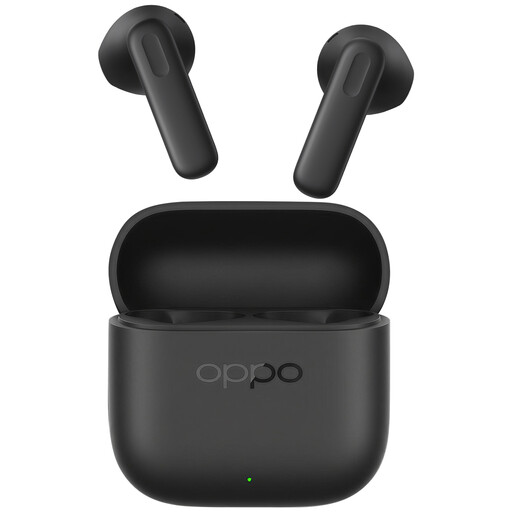
Why this choice suits this profile: This TWS model sticks to a simple, familiar formula for listening to music, taking calls or watching videos, with touch controls and a compact case.
The spec sheet mentions USB-C charging, includes several ear tips and states the case’s 450 mAh capacity – useful details for getting a sense of everyday use.
Bluetooth 5.4, dynamic drivers, touch controls and a USB-C charging case.
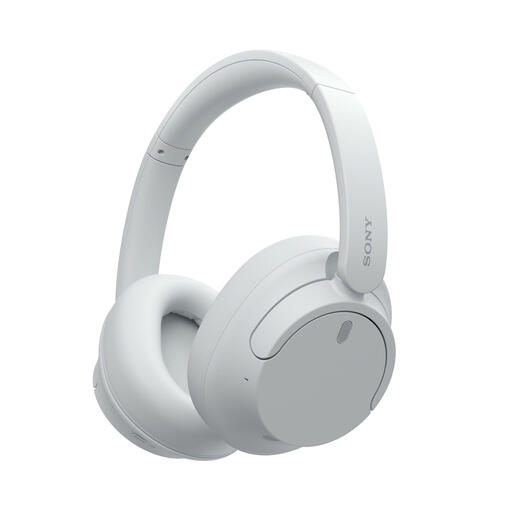
Why this choice suits this profile: Its closed-back over-ear design, active noise cancellation and dual Bluetooth or wired connection make it a suitable companion for long journeys and listening at home.
The advertised battery life clearly distinguishes between use with and without ANC, so you’re not comparing two figures that correspond to different conditions.
Up to 50 hours without ANC, 35 hours with ANC, built-in microphone and 3.5 mm jack socket.
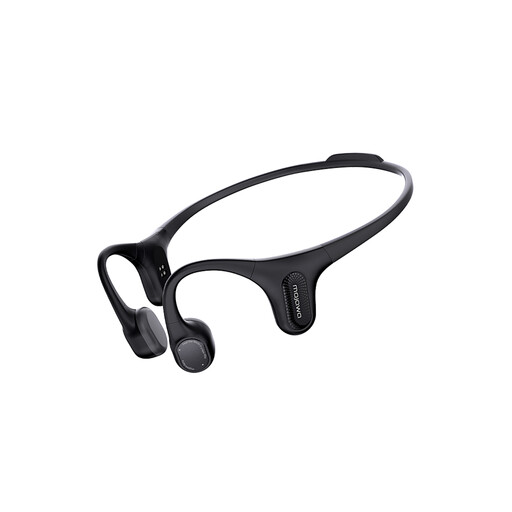
Why this choice suits this profile: Its open-ear design and IP67 rating can work for running or cycling, provided you stick to the usage limits stated by the manufacturer.
The spec sheet distinguishes water resistance from swimming use and recommends drying the magnetic contacts before charging.
Bone conduction technology, built-in microphone, wireless Bluetooth connection and claimed IP67 protection.
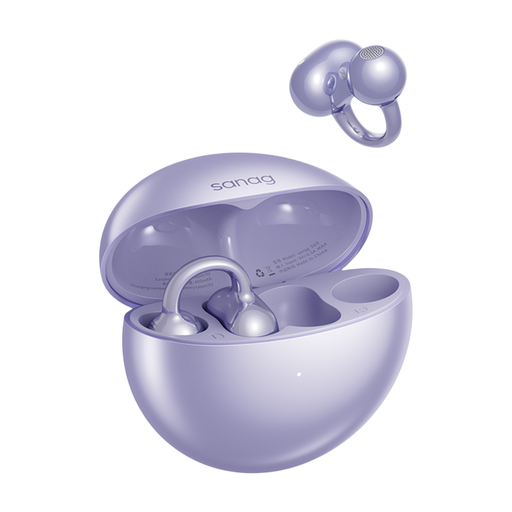
Why this choice suits this profile: The clip-on design avoids pushing an ear tip into your ear canal and can be handy at work, on the move or during your daily commute.
The spec sheet states an IPX5 rating, while clarifying that the earphones and case must not be submerged.
Open-ear clip-on design, claimed stereo sound, Bluetooth connection and microphone for calls.
We’ve put together a comprehensive, real-time updated selection of products that meet these demanding criteria, while also taking European safety regulations into account.
Start by charging the headphones and their case, then turn on Bluetooth in your phone’s settings. Next, open the case or press and hold the pairing button, depending on the model, before selecting the product name from the list that appears. If the connection fails, delete the previous pairing and try again after making sure the headphones aren’t already connected to another device.
It all depends on the battery capacity, how often you charge them, heat and maintenance. Clean the contacts with a dry cloth, avoid high temperatures and store the headphones in their case after use. With a Bluetooth headset that has a microphone, also remember to check the condition of the USB-C port and the ear cushions. Like all built-in batteries, those in headphones gradually lose battery life over charge cycles.
They generally let through more ambient sound than a closed-back model, but they don’t eliminate the risks associated with traffic. Keep the volume moderate, stay alert to vehicles and follow local rules. For calls, a Bluetooth headset with a microphone can be practical, but call quality also depends on the wind, the surrounding noise and the positioning of the microphones.