
Livraison le jour même ou le lendemain

Qualité garantie

Débloquez vos offres de bienvenue: Livraison GRATUITE | Jusqu'à -80 % | 30 jours d'essai gratuits à JoyPlus
Téléchargez l'application
Wireless Bluetooth earphones often look similar on the shelf, but their features can vary enormously. A battery life quoted with the charging case, water resistance limited to splashes, or noise cancellation that doesn't suit your environment can quickly turn a tempting purchase into a nasty surprise.
So before you choose your Bluetooth earphones, it's worth separating the genuinely useful information from the marketing hype. Here are the criteria to consider, followed by a selection of models suited to different types of users in the UK.
A battery life of 30, 40 or 70 hours usually includes the top-ups provided by the case. In practice, the earphones themselves often last much less. For your daily commute, check separately:
A model advertised for 42 hours might last up to 9 hours on a single listen, while another will only manage 6 or 7 hours depending on which features are activated.
IP54, IP55 or IP57 ratings do not mean the earphones can be submerged without risk. The first digit refers to protection against dust, the second to protection against water, under very specific conditions. A device certified IPX5 generally resists water jets, but it is not designed for use in a swimming pool.
If you are looking for earphones for sport, choose a model with a clearly stated rating and avoid heavy rain if the instructions don't cover that kind of use. As for a wireless headphone without any IP rating, it should be kept away from moisture.
Noise cancellation advertised at 49 dB is not enough to predict how comfortable it will be on the Tube, in the office or on a plane. Effectiveness also depends on the fit of the ear tips, the shape of your ear and the type of noise. Low, continuous sounds are generally easier to reduce than nearby conversations or sudden noises.
ANC can also reduce battery life. If you are looking for long-lasting earphones, always compare the figures with noise cancellation both on and off.
In-ear earphones provide good passive isolation when the ear tips fit well. Compact and easy to carry, they can however feel uncomfortable in the ear canal for some people. Models with ear hooks, a neckband or open-ear design offer a more open feel, but with a different level of isolation.
For professional use, also consider the weight, touch controls and stability during calls. Earphones with a microphone benefit from having multiple microphones or a system for reducing ambient noise during calls. However, this does not guarantee perfect quality in every environment.
Bluetooth versions 5.3, 5.4, 6.0 or 6.1 correspond to different generations of connectivity, but the actual range depends on the phone you use, obstacles and interference. For Bluetooth earphones for Android and iPhone, check above all which features are actually compatible with your device.
Multipoint makes it easier to switch between a computer and a smartphone. Fast pairing, meanwhile, can depend on the operating system. Some features specific to an ecosystem — controls, settings or apps — are also more complete when used with a phone from the same brand.
The driver diameter alone is not enough to judge sound quality. A model with a 12.4 mm speaker may aim for a fuller sound, while a two-way system may separate the bass and treble more clearly on paper. For gaming and films, a low-latency mode can reduce the delay between picture and sound.
Also check for an equaliser, spatial audio mode or a dedicated app. These features can enhance the experience, but their value depends above all on your listening habits.
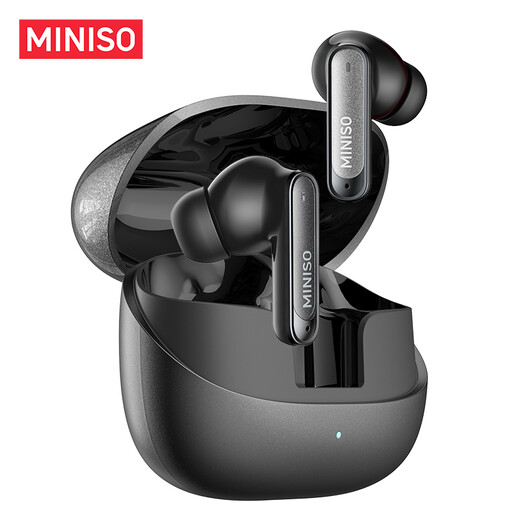
Why this choice suits this profile: These TWS earphones are ideal for everyday use: calls, studying and daily commutes. They are compatible with Android, iPhone and iPad devices.
The listing clearly separates the approximately 4 hours of battery life per charge from the seven charging cycles provided by the case. The IPX5 rating is clearly stated, without being presented as protection against immersion.
Bluetooth 6.0, built-in microphone, 10 mm speakers and USB-C charging case.

Why this choice suits this profile: This model is aimed at users who want advanced audio settings, effective ANC and close integration with Galaxy devices.
The battery life is detailed depending on ANC usage: up to 6 hours with this feature and 7 hours without, for a total of 26 or 30 hours depending on the mode selected.
Two-way speaker system, six microphones, Bluetooth 6.1, IP57, USB-C charging and wireless charging.
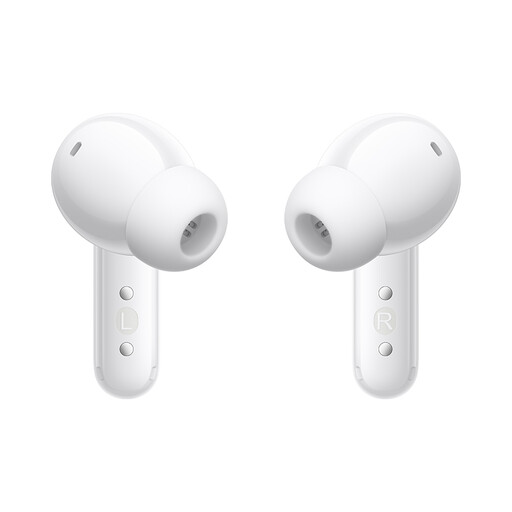
Why this choice suits this profile: Their advertised battery life and active noise cancellation make them ideal for long journeys, remote work and daily listening.
The listing specifies up to 9 hours of listening per charge and up to 42 hours with the case, rather than just showing the combined battery life.
12.4 mm dynamic driver, ANC rated up to 49 dB, Bluetooth 5.3 and IP54 rating.
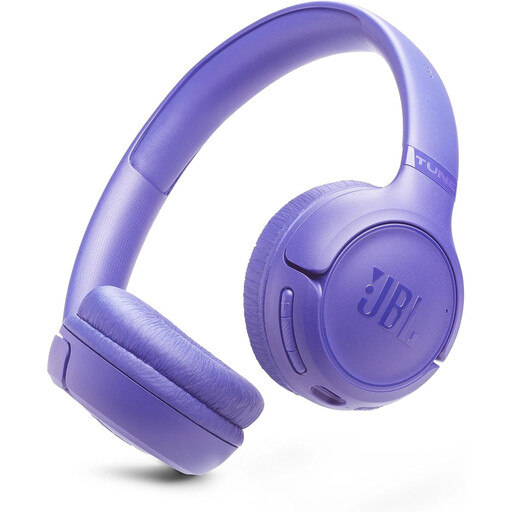
Why this choice suits this profile: This foldable on-ear headphone is ideal for travel, remote work and long listening sessions, when battery life matters more than compactness.
The listing advertises up to 76 hours of listening and states that a 5-minute charge can provide up to 5 extra hours. As water resistance is not indicated, it is best to avoid rain and moisture.
Bluetooth 6.0, multipoint connection, two microphones and a foldable design weighing 154 g.
We have put together a comprehensive, real-time updated selection of products that meet these strict criteria as well as European safety requirements.
Place the earphones in their case, open it, then activate Bluetooth in your phone's settings. Select the model name from the list of available devices. If pairing does not start, press and hold the button on the case or the touch area as indicated in the instructions. You can also delete the previously paired device before trying again.
The lifespan depends on the built-in battery, how often you charge it and exposure to heat. To preserve its capacity, avoid regularly letting the case discharge completely and do not attempt to replace a built-in battery yourself. A gradual decrease in battery life over time is normal.
TWS earphones are compact and easy to carry. A headphone generally offers more enveloping ear cushions and sometimes longer battery life, but it also takes up more space. For sport and quick trips, earphones are often more practical. For long journeys or sedentary work, a headphone can be more comfortable.