
Livraison le jour même ou le lendemain

Qualité garantie

Débloquez vos offres de bienvenue: Livraison GRATUITE | Jusqu'à -80 % | 30 jours d'essai gratuits à JoyPlus
Téléchargez l'application
Wireless Bluetooth earphones often look similar in photos, but their differences become clear after a few weeks of use. Battery life that’s too short, earbuds that slip out during a walk, calls you can’t hear on the street, or disappointing noise cancellation – some technical details deserve far more attention than marketing promises.
Before buying TWS earphones, take the time to check three things: the real battery life depending on the mode you use, the durability suited to your environment, and compatibility with your phone. Here’s a simple way to compare the models available in the UK, followed by a selection tailored to different needs.
A claimed battery life of “30 or 40 hours” usually includes the top-ups provided by the case. The battery life of a single pair of earbuds can be much shorter, especially when active noise cancellation (ANC) is switched on.
To compare models on a reliable basis, look at each separately:
Figures can also vary depending on the audio codec, listening volume, calls made, and the quality of the Bluetooth connection.
An IPX5, IP54 or IP57 rating tells you about resistance to water and dust under specific conditions. It does not mean the product can be used in the shower or in a swimming pool.
The case may not have the same level of protection as the earbuds. So avoid leaving it out in the rain, even when the earbuds have a high IP rating.
Active noise cancellation is especially useful on a train, a plane, or in a busy office. However, its effectiveness depends a lot on how well the earbuds fit in your ear. Poorly positioned in-ear buds let in more sound and can quickly become uncomfortable.
Check for multiple sizes of ear tips, the weight of each earbud, and the available modes: ANC, transparency, and off. In some situations, transparency mode is better for staying aware of announcements or traffic.
For everyday use, a model offering several hours of listening per charge means you won’t have to reach for the case all the time. Long-lasting earphones should still be compared under the same conditions: ANC on or off, codec used, music listening or calls.
A case with a USB-C port is handy in the UK, since this cable already comes with most smartphones and many other devices. Some models also support wireless charging, but this feature can push up the price without being essential for everyone.
Bluetooth earphones with a microphone are not all equal when it comes to making calls. The number of microphones, their placement, and the ambient noise reduction algorithms all affect voice clarity.
If you regularly take calls from a train station, a busy street, or a shared space, go for spec sheets that mention noise reduction during conversations. Bear in mind, though, that these are features stated by the manufacturer, not a guarantee of identical results in every environment.
Most Bluetooth earphones work with Android, an iPhone, a tablet, or a computer. However, some features are tied to a specific ecosystem:
Bluetooth 5.3, 6.0 or 6.1 refers to a connectivity generation, but on its own it can’t predict sound quality. Comfort, supported codecs, and connection stability with your devices matter just as much.
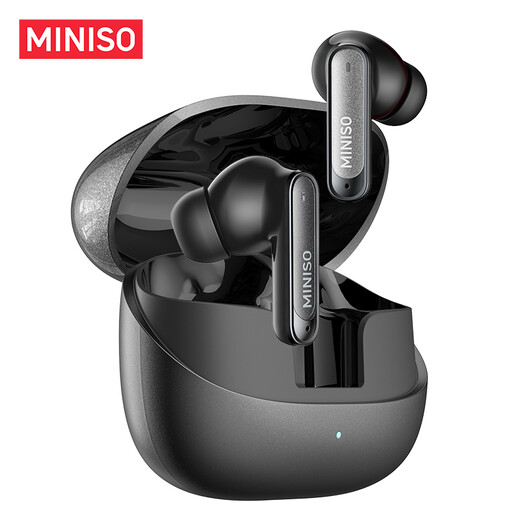
Why this choice suits this profile: This TWS model is designed for everyday use: music, calls, studying, office work, and commuting. It supports iOS and Android devices and includes a microphone.
The spec sheet states around 4 hours of battery life per charge and a case that can provide up to 7 full recharges. The IPX5 rating handles splashes, but certainly not swimming.
Bluetooth 6.0, 10mm drivers, built-in microphone, and stated compatibility with iPhone, iPad, and Android devices.
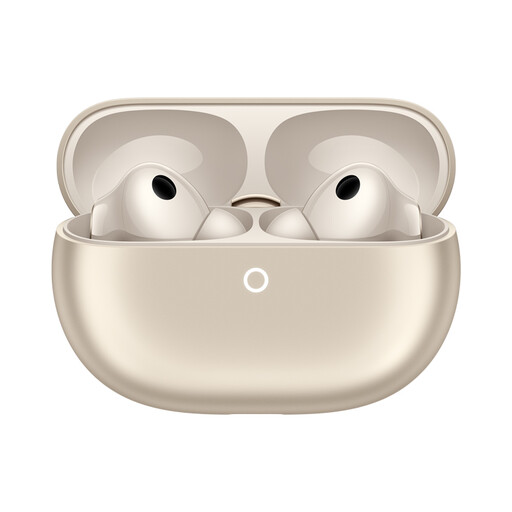
Why this choice suits this profile: Fans of detailed sound, active noise cancellation, and dual-device connection can turn to this model for music, calls, and hybrid working.
Battery life is broken down by codec and ANC: up to 8 hours without ANC and 5 hours with ANC in the stated audio mode. The earbuds are IP57 certified, while the case is IP54 certified.
Dual driver, ANC, transparency mode, calls with noise reduction, and USB-C or wireless charging.
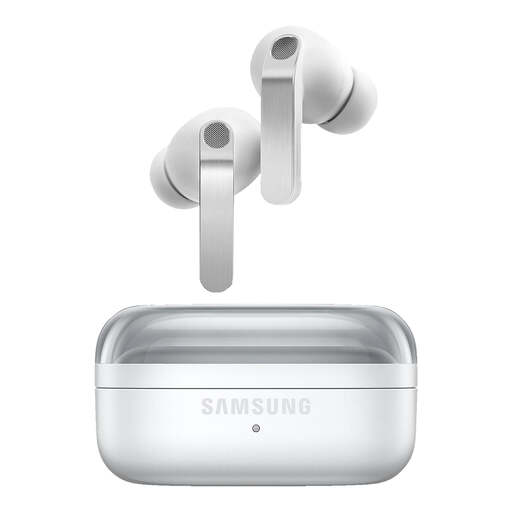
Why this choice suits this profile: This model is aimed particularly at Galaxy users who want to combine calls, music, spatial audio, and customisable sound settings.
The spec sheet distinguishes battery life with and without ANC: up to 6 and 7 hours, with 26 or 30 hours total depending on the mode. The IP57 rating applies to the earbuds and does not allow swimming.
Dual-driver system, six microphones, Bluetooth 6.1, ANC, 360° audio, nine-band equaliser, and wireless charging.
We’ve put together a comprehensive list, updated in real time, of products that meet these demanding selection criteria and European safety regulations.
Place the earphones in their case, open it, then turn on Bluetooth in your phone’s settings. Select the product name when it appears in the list. For the first pairing, you may need to hold down the button on the case or the touch area. Once paired, the earphones will usually reconnect automatically.
It all depends on the battery, how often you recharge, heat, and listening volume. Built-in batteries gradually lose their capacity. To extend their lifespan, avoid high temperatures, moisture beyond the stated IP rating, and prolonged discharges. Also remember to clean the ear tips and grilles with a soft, dry cloth.
Yes. ANC uses microphones and additional electronic processing. The stated battery life with ANC is therefore often lower than when the feature is turned off. Always compare both values before choosing a model for your daily commute, calls, or long listening sessions.