
Livraison le jour même ou le lendemain

Qualité garantie

Débloquez vos offres de bienvenue: Livraison GRATUITE | Jusqu'à -80 % | 30 jours d'essai gratuits à JoyPlus
Téléchargez l'application
Wireless Bluetooth earphones have become essential for calls, daily commutes, exercise and relaxation. But product specs often list impressive figures without explaining what they really mean. A battery life of several dozen hours usually includes the charging case, while a noise cancellation feature described as powerful doesn't necessarily guarantee crystal-clear voice quality on the Tube.
Before you place an order, it's worth separating the features that genuinely matter from the marketing claims that are harder to verify.
A claimed battery life of 36 or 42 hours typically refers to the combined use of the earphones and their charging case. On a single charge, the listening time can be significantly shorter. For a working day or a long journey, check each of these separately:
IP54, IPX5 and IPX8 ratings do not offer the same level of protection. The first digit generally relates to dust and particles, while the second indicates water resistance. An IPX5 model can handle splashes and sweat, but that doesn't mean it can be submerged.
Even when an IPX8 certification is claimed, check the conditions specified by the manufacturer: depth, immersion time, fresh water or chlorinated water, and don't forget the drying procedure. The charging port must be completely dry before you recharge.
Active noise cancellation mainly affects the ambient sounds you hear as the user. Voice quality during a call depends on the microphones and the algorithms that process the signal. In a windy street or a noisy station, also look at the number of microphones, whether there's dedicated noise reduction for calls, and how accessible the controls are.
For earphones that can last a full day, go for product specs that clearly separate the individual battery life from that of the case. Four hours may be enough for a few short trips, but that capacity means you'll need to recharge more often during a working day.
The USB-C port makes charging simpler, since it's often already used for a smartphone, tablet or laptop. With TWS earphones, also check that the case is included and that the earphones recharge automatically when you put them back inside.
In-ear earphones generally provide good passive isolation, provided you choose the right ear tips. However, they can become uncomfortable during prolonged listening. Models with ear hooks or a neckband may be better suited to sports and active movement.
Open-ear earphones and bone conduction models let more ambient sound through. This design can be useful for running or cycling outdoors, but it doesn't offer the same sense of isolation as an in-ear model.
For the gym or running, an IPX5 rating or equivalent can be suitable against sweat and splashes. For swimming, only choose a model whose specs explicitly mention immersion. Bluetooth doesn't work reliably underwater: internal memory with MP3 playback will be more practical than streaming from your phone.
Gamers, on the other hand, should look for a low latency mode. A Bluetooth gaming headset or earphones with this mode can reduce the delay between picture and sound, although the result also depends on the phone, console or computer you're using.
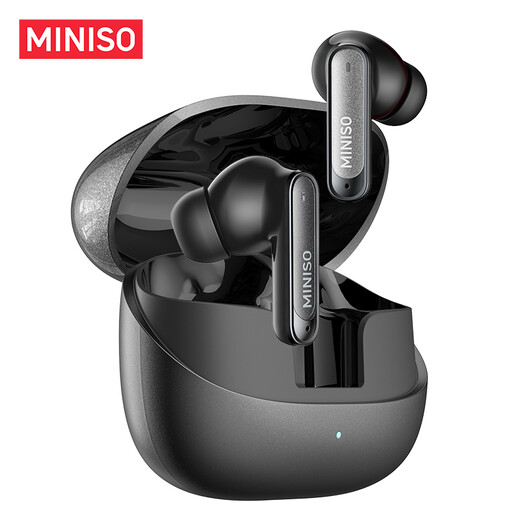
Why this model fits: its TWS design, built-in microphone and IPX5 rating make it a solid choice for calls, studying, the office and everyday activities.
The spec sheet states around 4 hours of battery life and a Bluetooth range of 10 m, helping you set realistic expectations before buying.
Claimed Bluetooth 6.0, 10 mm drivers, built-in microphone and compatibility with Android and iOS devices.
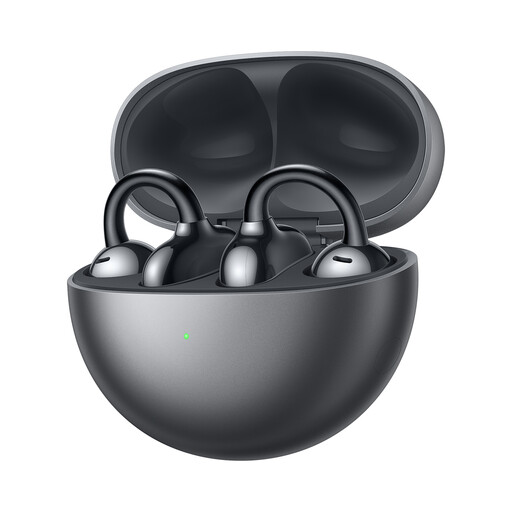
Why this model fits: its ear-hook design and claimed weight of 5.6 g per earbud make it suitable for calls and long listening sessions.
The spec sheet separates the total audio battery life with the case, claimed at 36 hours, from the battery life of the earphones used on their own.
Bluetooth 5.3, three built-in microphones, touch controls, USB-C port and claimed IP54 protection.

Why this model fits: its open-ear design is aimed at running, cycling, the gym and swimming, provided you follow the usage instructions.
Its 32 GB internal memory lets you play MP3 files without a phone, bypassing Bluetooth's limitations underwater.
32 GB memory, claimed battery life of around 8 to 10 hours, open design and IPX8 rating as stated on the spec sheet.
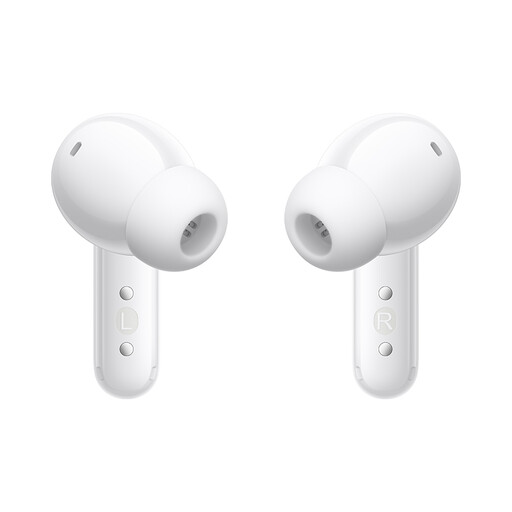
Why this model fits: it combines 12.4 mm drivers, claimed active noise cancellation and a comfortable battery life for transport and work alike.
The spec sheet separates the claimed battery life with the case, up to 42 hours, from that of a single earbud used alone, up to 9 hours.
Bluetooth 5.3, claimed active noise cancellation up to 49 dB and IP54 protection as stated.
We've put together an updated selection of products that meet different criteria and the applicable safety requirements in the UK and the European Union.
Most need a phone, tablet or computer to stream music. However, some models have internal memory, like the Verbex X7S, and can play stored audio files without a constant connection. This feature is particularly useful for swimming or running without your smartphone.
It depends on the number of charge cycles, exposure to moisture, storage conditions and whether the battery can be replaced. To make them last longer, keep them in their case, avoid charging them when they're damp and gently clean the contacts. Don't attempt to dismantle the built-in battery.
Active noise cancellation can make a real difference on a train, plane or in an urban environment. However, it uses more power and won't make up for poorly fitting ear tips. For calls, focus on the number of microphones and the voice-focused features. Then compare models from the range of wireless headphones based on your budget, the comfort you're after and how you'll actually use them.