
Livraison le jour même ou le lendemain

Qualité garantie

Débloquez vos offres de bienvenue: Livraison GRATUITE | Jusqu'à -80 % | 30 jours d'essai gratuits à JoyPlus
Téléchargez l'application
Wireless Bluetooth earphones are suitable for all sorts of uses: listening to music on public transport, taking work calls, exercising, travelling or working from home. A packed spec sheet doesn't necessarily mean the model will suit your everyday life.
Three common mistakes crop up when buying:
Before comparing models from Apple, Samsung, Sony or HONOR, it's best to weigh each feature against how you'll actually use them.
To choose earphones with long battery life, look at each of these separately:
A model advertised with several dozen hours including the case will suit frequent travellers. For daily commutes, a more modest battery life per charge can be perfectly adequate. Temperature, listening volume, active noise cancellation and calls also affect the battery life you'll actually experience.
Waterproof earphones should be chosen based on their protection rating, not just a marketing promise. A rating like IP54 indicates limited resistance to dust and water splashes. IP57 offers greater protection in certain conditions, but doesn't automatically make the earphones suitable for swimming.
For the pool, look for a product explicitly designed for swimming and featuring, for example, an IPX8 rating – that's a very different use case. The manufacturer's recommendations are essential: rinse the device after contact with salt or chlorinated water, dry it thoroughly and never charge it while it's damp.
TWS earphones work independently of each other and store away in a compact case. The in-ear design generally provides a good fit, but it doesn't suit every ear shape. Semi-in-ear or open-ear models let more ambient sound in, which is a handy advantage when cycling or out for a walk.
Also remember to check compatibility with your devices. Most Bluetooth earphones work with iOS and Android, but some advanced features may depend on the operating system or a dedicated app. Multipoint connection, touch controls and updates aren't necessarily offered the same way on an iPhone, a Samsung smartphone or another Android phone.
The recommendations below are based on the features stated for each product. They don't replace checking the spec sheet and safety instructions before buying.
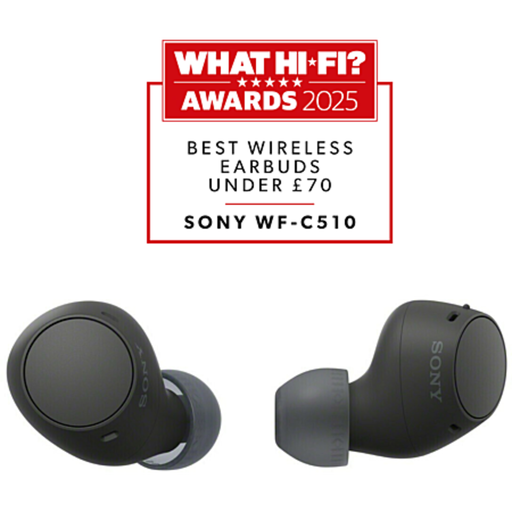
Why this choice suits this profile: their TWS design, built-in microphone and Bluetooth range of up to 10 metres make them a suitable option for calls, music listening and daily commutes.
The spec sheet separates the earphones' battery life from that provided by the case and mentions fast charging, making it easier to keep track of the battery level.
Stated weight of 31 g, Bluetooth, charging case and multiple sizes of ear tips.

Why this choice suits this profile: fans of premium Bluetooth earphones will be interested in their dual-driver system, ANC and the audio adjustments on offer.
The spec sheet details battery life with ANC on or off, as well as the IP57 rating – this should not be mistaken for swimming compatibility.
Six microphones stated, Bluetooth 6.1, USB-C and wireless charging, plus a nine-band equaliser.

Why this choice suits this profile: this bone-conduction model with an open design targets running, cycling, fitness and, according to the information provided, swimming.
The 32 GB of internal memory lets you play MP3 files without a phone. The IPX8 rating is stated for water use, subject to following the manufacturer's instructions.
Bluetooth 5.3 depending on the variant, built-in microphone, controls accessible directly and stated battery life of around 8 to 10 hours.
We've put together a comprehensive, real-time updated selection of products that meet these demanding criteria as well as European safety standards.
Wireless earphones with noise cancellation, also known as ANC earphones, are particularly well suited to public transport, shared offices and travel. Their system uses microphones to produce audio processing that reduces certain outside noises. This feature can reduce battery life and doesn't eliminate all sounds, especially nearby voices or irregular noises.
For calls, choose a model with a built-in microphone, multiple microphones or a noise-reduction system for capturing audio. For sport, focus on fit, sweat resistance and the ability to stay aware of your surroundings. Bone-conduction or open-ear earphones can be interesting in this regard, but their sound reproduction differs from that of a closed in-ear model.
Place the earphones in their case, activate pairing mode, then open the phone's Bluetooth settings. Select the product name from the list shown. On the first connection, the manufacturer's app may be needed to access audio settings or install updates.
The lifespan depends on the battery, the number of charge cycles, heat, humidity and listening volume. To preserve the battery, avoid extreme temperatures and use a compatible charger. Clean the ear tips regularly and dry the earphones thoroughly after a workout or any exposure to sweat.
Yes. Active noise cancellation can reduce the battery life available on a single charge. When the data is provided, compare the battery life with ANC on and off. If you travel often, also choose a case that can recharge the earphones several times.