
Livraison le jour même ou le lendemain

Qualité garantie

Débloquez vos offres de bienvenue: Livraison GRATUITE | Jusqu'à -80 % | 30 jours d'essai gratuits à JoyPlus
Téléchargez l'application
With promises of noise cancellation, battery life measured in dozens of hours and instant translation features, choosing the right wireless Bluetooth earbuds can quickly become a headache. A pair that works perfectly on the Paris Metro may not be the best choice for a runner, student or child.
Before comparing prices, it’s worth identifying the features that really matter and taking marketing claims with a pinch of salt.
Wireless earbuds with noise cancellation generally use one of two distinct approaches. Active noise cancellation, or ANC, picks up surrounding noise and generates an opposing signal to reduce it. It’s particularly effective against continuous sounds, such as the rumble of a train or the drone of an aeroplane.
However, it won’t make every sound disappear, especially nearby voices and sudden noises. A figure expressed in decibels, such as the 49 dB claimed for the HONOR Earbuds A Pro, is a technical specification from the product listing. It doesn’t guarantee the same level of isolation in every situation.
A figure such as “42 hours” often includes the extra charges provided by the case. So it’s important to distinguish between:
For your daily commute, a few hours per charge may be more than enough. For travelling or heavy use, a generous total battery life, a battery indicator and USB-C charging are much more practical.
An IP rating indicates a level of protection under specific conditions. An IPX4 model may be suitable for sweat and light splashes, while an IPX5 model can withstand water jets. That doesn’t mean it can be submerged.
Also check whether the rating applies only to the earbuds or to the case as well. The Buds 6 Play, for example, are rated IPX4 for the earbuds only; the case isn’t waterproof.
Bluetooth 5.3, 5.4 or 6.0 can help provide a stable connection and manage power consumption. Compatibility also depends on your phone or computer, and the codecs it supports. For work calls, the quality of the built-in microphone and how well it reduces background voices matter more than a simple “high-definition sound” claim.
A Bluetooth headset with a headband may offer longer battery life and a different fit from in-ear earbuds. Foldable models are especially handy when you’re out and about, provided you don’t mind carrying something a little bulkier.
In-ear earbuds sit in the ear canal and generally provide good passive isolation. Just make sure you choose tips that fit your ears and avoid turning the volume up too high.
Open-ear earbuds and clip-on models sit around the ear without directly blocking the ear canal. They help you stay more aware of your surroundings, but outside noise can also mask some of your music or conversations. Claims of “bone conduction” and similar terms are worth checking against the product specifications. Some models genuinely use this technology, while others simply have an open design.
In all cases, don’t wear earbuds while driving, cycling in traffic or in any situation that requires your full attention.
A USB-C connection makes charging simpler, as the same cable is already used by many phones and laptops. USB-C wired earbuds, such as those from ACCESS2MOBILE, avoid the hassle of battery life and Bluetooth latency. However, you’ll need a device with the right port.
For sport, consider fit, weight, sweat resistance and how easy they are to clean. For a child, choose a model suited to their age, make sure they use it under adult supervision, keep the volume down and encourage regular breaks.
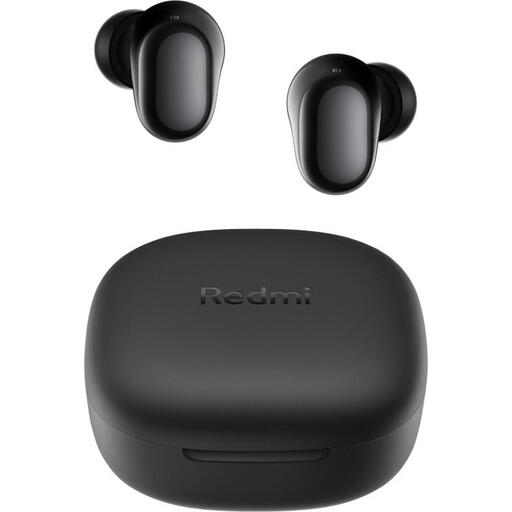
Why it suits this type of user : Lightweight, with Bluetooth 5.4 and a claimed 7.5 hours of battery life per charge, they’re well suited to everyday listening, lessons and commuting.
The product listing distinguishes battery life per charge from the total 36-hour battery life, and clarifies that the IPX4 rating applies to the earbuds only.
Bluetooth 5.4, 10 mm drivers, a USB-C case and a weight of 3.6 g per earbud.
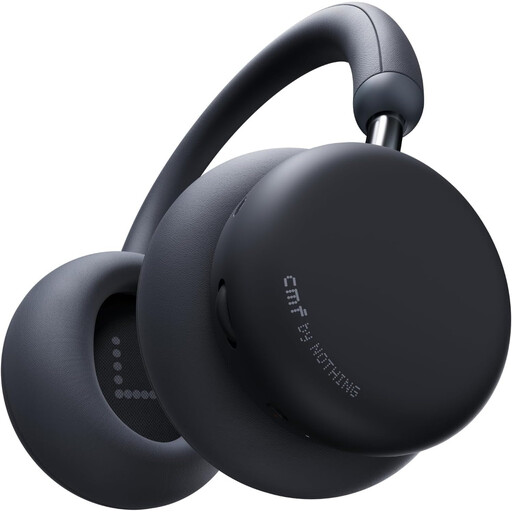
Why it suits this type of user : The over-ear design, range of ANC modes and dual-device connection make these headphones a great companion for work, travel and long listening sessions.
Battery life is specified with ANC both on and off: up to 48 hours with ANC and 100 hours without, according to the product listing.
40 mm drivers, LDAC codecs, hybrid ANC, USB-C fast charging and replaceable ear cushions.
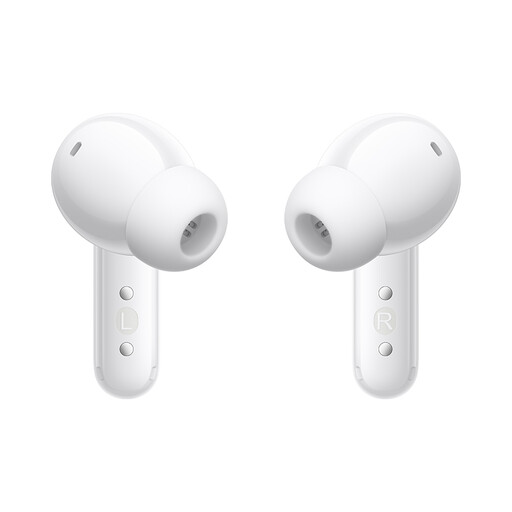
Why it suits this type of user : They combine a compact design with active noise cancellation claimed to reach 49 dB and total battery life of up to 42 hours.
The product listing specifies 9 hours of battery life from the earbuds alone and an IP54 rating, which shouldn’t be mistaken for protection against submersion.
12.4 mm dynamic drivers, Bluetooth 5.3, ANC and a 500 mAh charging case.
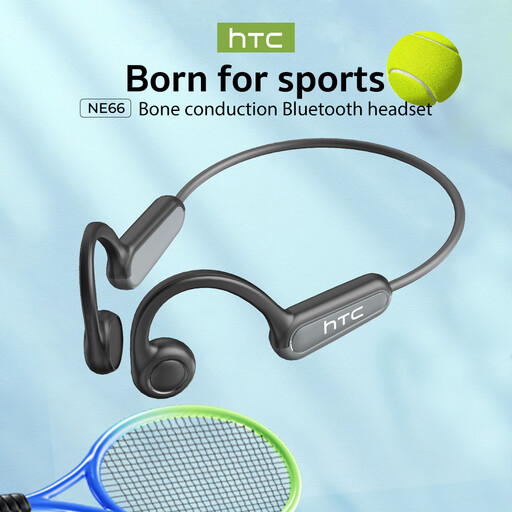
Why it suits this type of user : The open-ear design and translation feature, claimed to support more than 135 languages, can come in handy when travelling and communicating internationally.
The open design doesn’t promise complete isolation: it lets more ambient sound in, which can be useful when you’re out and about.
Bluetooth 5.4, a claimed IPX5 rating and real-time translation, for use with a compatible ecosystem.
We’ve put together a comprehensive list, updated in real time, of products that meet these strict selection criteria and European safety regulations.
Yes, as long as your laptop supports Bluetooth audio. Turn on Bluetooth, put the earbuds into pairing mode, then select their name in your system settings. For calls, check that the earbuds’ microphone is selected as the input device.
It depends on factors such as the battery, the number of charging cycles, exposure to heat and how well you look after them. Avoid excessive moisture, don’t leave the case in direct sunlight and use a compatible cable. Built-in batteries must not be replaced or dismantled by the user.
Yes, ANC can reduce battery life compared with listening without active noise cancellation. In a quiet environment, switching it off can help you listen for longer. When travelling, always compare the quoted battery life with ANC both on and off.