
Livraison le jour même ou le lendemain

Qualité garantie

Débloquez vos offres de bienvenue: Livraison GRATUITE | Jusqu'à -80 % | 30 jours d'essai gratuits à JoyPlus
Téléchargez l'application
Whether you’re commuting on the Underground, attending video conferences, working out or enjoying a gaming session, wireless Bluetooth earbuds have become the ultimate all-rounders. The challenge is making sense of technical specifications, which are often less straightforward than they appear. Record battery life tells you nothing about everyday comfort, while a decibel figure alone is not enough to assess noise-cancelling performance.
Here are the key criteria to consider before buying TWS earbuds, Bluetooth headphones or wireless noise-cancelling earbuds.
Manufacturers often highlight the combined battery life including the charging case. However, two figures need to be distinguished:
A model advertised with several dozen hours of battery life will still need regular recharging, including the case. So, whether you’re commuting or working from home, remember to check the battery capacity and how long it takes to recharge.
Active noise cancellation, or ANC, uses microphones and electronic processing to reduce certain surrounding sounds. The decibel level shown is a technical reference, but it does not fully reflect real-world performance in every situation. Low, continuous sounds, such as the rumble of a train, are generally easier to filter out than nearby conversations or sudden noises.
The comfort of the ear tips, passive isolation and the presence of a transparency mode also play a major role. In town or on a bike, it’s better to remain aware of what’s happening around you.
In-ear earbuds generally provide better isolation, but how securely they fit depends on the shape of your ear and the ear tips supplied. Semi-in-ear or open designs tend to put less pressure on the ear canal, but offer more limited isolation. Bluetooth headphones cover your ears more fully, but also take up more room in a bag.
A certification such as IP54 or IPX5 indicates a specific level of resistance to dust or water. It does not mean that the product can be submerged or used in heavy rain without precautions. Always check the detailed limitations in the user manual.
For everyday use, compare the battery life per charge, the case’s capacity and the connector used. USB-C makes it easy to share a cable with a smartphone, tablet or laptop. Frequent travellers should consider long-battery-life earbuds, while fast charging is particularly useful for anyone who regularly forgets to recharge their devices.
Earbuds compatible with iPhone and Android generally work with any Bluetooth device. However, some advanced features may depend on a particular app or ecosystem. In particular, check:
Multipoint connectivity makes it easier to switch from a work computer to a phone without having to pair the devices again each time.
For calls, look for Bluetooth earbuds with a microphone and check the number of microphones, as well as the technologies used to reduce background noise. This information does not guarantee perfect quality in every situation, but it makes it easier to compare models more objectively.
For sport, fit, weight and sweat resistance should come before everything else. For gaming, choose low-latency gaming earbuds or headphones with a dedicated mode. For music, driver size, frequency response and the presence of an equaliser are useful points of comparison, but they can never replace your own listening preferences.
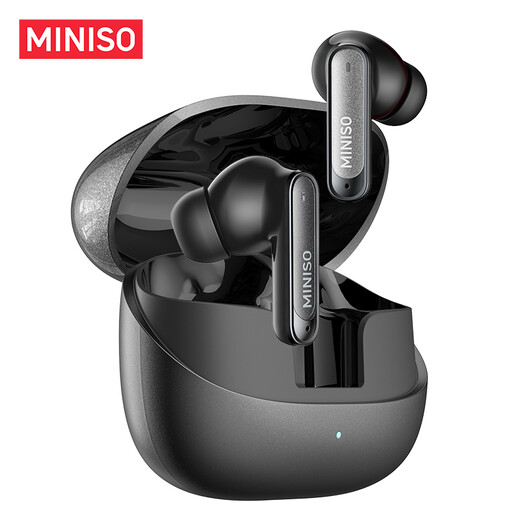
Why this choice suits this profile: This TWS model is designed for calls, studying, office work and commuting, with advertised compatibility with iOS and Android.
The specifications distinguish around 4 hours of battery life per charge from the case’s capacity, avoiding any confusion between the two figures.
Advertised Bluetooth 6.0, built-in microphone and IPX5 rating. The stated range reaches 10 metres.
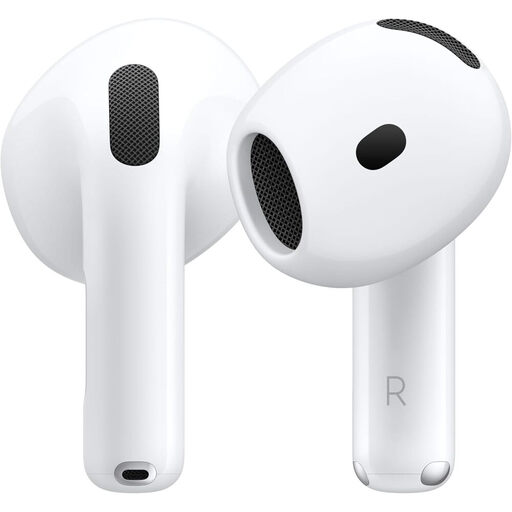
Why this choice suits this profile: iPhone and iPad users can benefit from seamless integration with the Apple ecosystem and a case that can be recharged in several ways.
The specifications distinguish up to 4 hours of listening with ANC from up to 30 hours with the case, rather than showing a single overall battery-life figure.
Active noise cancellation, Bluetooth 5.3, adaptive audio features and advertised IP54 resistance.
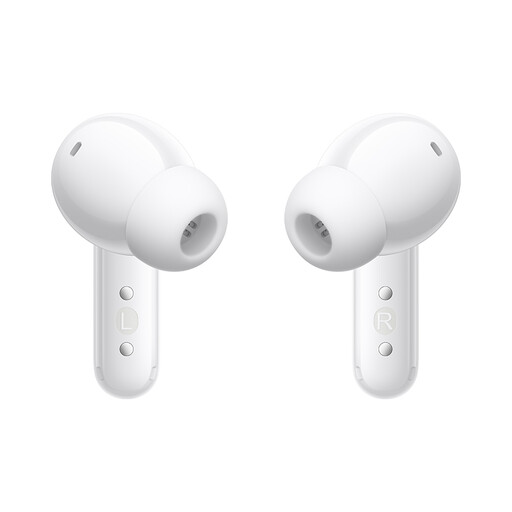
Why this choice suits this profile: This model is aimed at people who regularly commute and enjoy long listening sessions, with advertised battery life of up to 42 hours with the case.
The figures separate the earbuds’ battery life of up to 9 hours from the combined battery life achieved with the case.
12.4 mm dynamic driver, advertised ANC of up to 49 dB, Bluetooth 5.3 and IP54 rating.
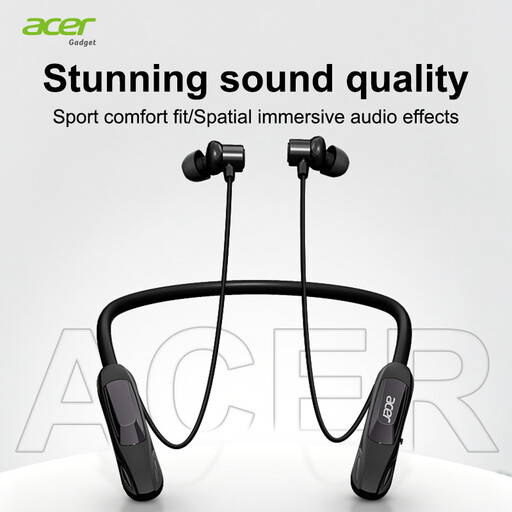
Why this choice suits this profile: The neckband will reassure sports enthusiasts who want to reduce the risk of losing an earbud during exercise.
The specifications highlight a low-latency gaming mode and a design intended for sports activities: points worth checking based on how you plan to use them.
Advertised Bluetooth 5.4, USB-C charging, stereo calls and low-latency gaming mode.
We’ve put together a complete, real-time selection of products that meet these demanding criteria and European safety standards.
Open the case or switch on the earbuds, then activate Bluetooth in your phone’s settings. Next, select the product name from the list shown. Some models offer fast pairing, but the standard process works just as well on iPhone as on Android.
It depends on the built-in battery, how often they are used, exposure to heat and the number of charging cycles. To help protect your earbuds, avoid exposing them to high temperatures, clean the contacts with a dry cloth and store them in their case. As with any rechargeable device, a gradual reduction in battery life over time is normal.
TWS earbuds are compact and convenient for commuting, calls or sport, provided they fit securely. Bluetooth headphones generally offer more enveloping ear cushions and are better suited to long listening sessions. The right choice depends above all on the comfort you want, how much bulk you are happy to carry and the environment in which you plan to use them.