
Livraison le jour même ou le lendemain

Qualité garantie

Débloquez vos offres de bienvenue: Livraison GRATUITE | Jusqu'à -80 % | 30 jours d'essai gratuits à JoyPlus
Téléchargez l'application
Whether you're immersing yourself in a game, powering through remote meetings, or simply chatting online, a good wired headset is essential. The problem? The market is a jungle of marketing promises that too often lead to disappointment. Poor sound, a mic that turns your voice into garbled mush, frustrating console incompatibility... the unpleasant surprises are endless.
Our editorial team's mission: to help you see things more clearly. Let's cut through the technical jargon and focus on what really matters. This guide is designed to arm you against common pitfalls and steer you toward the right choice, plain and simple.
Choosing a headset can quickly become a headache if you don't know what to look for. Here are the three most frequent mistakes—the ones that cost you time and money.
To make the right choice, you need to understand a few key technical concepts. They determine the performance, compatibility, and comfort of your future headset.
The connection type is the number one criterion. It's what guarantees compatibility with your devices.
A good microphone is just as important as good speakers. Here are the points to watch for:
Comfort is subjective, but certain objective elements can help you evaluate it:
To illustrate these criteria in practice, here is our selection of models suited for different profiles.
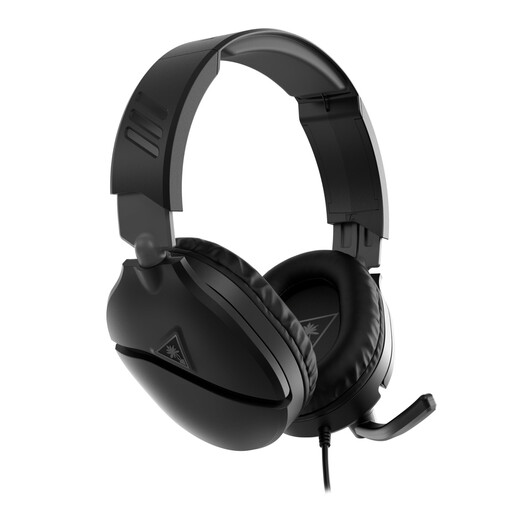
Why we chose it: Ideal for those who juggle gaming on PC, PlayStation, Xbox, and Switch. Its 3.5mm jack makes it compatible with virtually all current gaming platforms, with no setup required.
It bypasses the false compatibility trap by relying on the 3.5mm jack, a standard that ensures a direct and reliable connection on all consoles and most PCs.
The flip-to-mute mic is a real convenience mid-game. Its featherlight weight ensures excellent comfort, even after several hours.
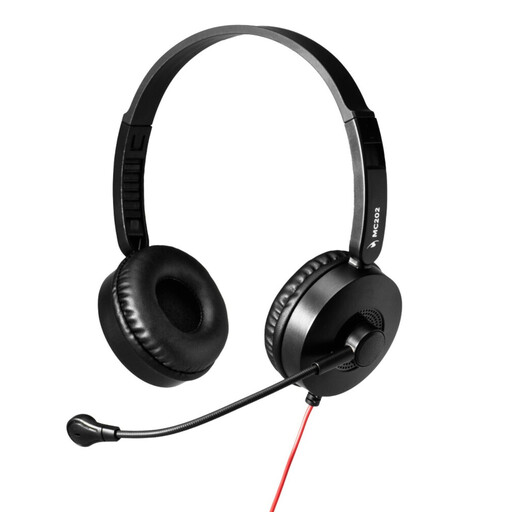
Why we chose it: Built for long days of video conferencing, this headset plugs in via USB-A for immediate use on a PC, with a microphone that emphasizes voice clarity.
It tackles the problem of ineffective mics with an adjustable boom and noise reduction designed to isolate your voice. The result: perfectly intelligible professional calls.
Its Plug & Play USB connection is a model of simplicity: you plug it in, and it just works. The integrated sound card ensures stable audio quality without needing to install any drivers.
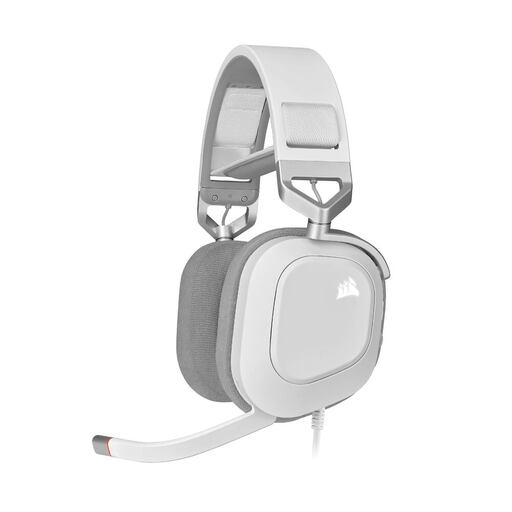
Why we chose it: For PC streamers and gamers who demand superior audio and voice quality. Its USB connection powers high-fidelity sound and a broadcast-quality microphone for impeccable vocal clarity.
It sidesteps the discomfort trap with its memory foam earcups and breathable fabric covering, perfect for back-to-back hours of gaming or streaming.
Its broadcast-quality microphone captures your voice with a richness and clarity worthy of a studio. This is a decisive advantage for streaming and content creation.
Explore our full selection of products that meet our quality criteria and European safety standards.
Generally, no. Xbox consoles do not support USB audio for most third-party headsets. The PS5 may work with some USB headsets, but not all features (like software-based surround sound) are always guaranteed. For flawless compatibility with consoles, the safe bet is still a headset with a 3.5mm jack that plugs directly into the controller.
The lifespan of a wired headset depends on its build quality and how it's cared for. A well-made model can last for many years. The cable remains the most fragile point. To protect it, avoid pulling on it to unplug the headset, and don't wrap it too tightly or bend it at sharp angles. Regularly cleaning the earcups with a dry cloth will also extend their life and maintain good hygiene.
It's important to distinguish between two different technologies. Passive noise reduction comes from the physical isolation of the headset itself (over-ear design, dense earcups). It is very effective at dampening constant background noises and is present on most good gaming headsets. Active noise cancellation (ANC), on the other hand, uses microphones and electronic processing to cancel out ambient sounds. It is rarer and more expensive on wired headsets and is not essential unless you work or play in a particularly noisy environment. In most cases, good passive isolation is more than enough.