
Livraison le jour même ou le lendemain

Qualité garantie

Débloquez vos offres de bienvenue: Livraison GRATUITE | Jusqu'à -80 % | 30 jours d'essai gratuits à JoyPlus
Téléchargez l'application
A wired headphone can be just as useful for remote work and studying as it is for gaming or listening to music. Its direct connection means no charging and lower latency risks, but not all models are designed for the same purposes.
Certain pitfalls crop up time and again when you're buying. A product listing might boast "immersive" sound without specifying the connection required, while a built-in microphone doesn't necessarily guarantee clear voice quality on video calls. Comfort, too, is often overlooked: excessive pressure on the ears, a poorly adjustable headband, or a cable that's too short can quickly make long sessions uncomfortable.
Here are the criteria to consider before making your choice, followed by a selection of wired headphones suited to different profiles.
A headphone described as noise-cancelling may simply rely on passive isolation, provided by ear cushions that cover or surround the ears. Active noise cancellation, on the other hand, uses microphones and dedicated electronics. The result is not the same, and this feature may require power.
On public transport or in noisy environments, check that the listing clearly mentions "active noise cancellation" and not just "sound isolation". In the office, a closed-back stereo headset can already reduce distractions without needing a battery to charge.
A 3.5 mm jack headphone with four contacts can plug into a console controller or a compatible smartphone. However, some desktop computers have two separate sockets: one for audio output and one for the microphone. The Logitech H111, for example, uses two 3.5 mm jack plugs: one for sound and one for the mic.
A USB headset typically has its own sound card built in. It plugs directly into a computer with a USB-A port, but won't automatically work with a controller, tablet, or phone.
A range of 20 Hz to 20 kHz indicates technical capability, but it alone can't predict the sound quality. The type of driver, the design of the ear cushions, the seal, and how the headphone fits your head all affect the listening experience. To make a well-informed choice, it's better to consider the full specification rather than a single highlighted figure.
An on-ear model rests directly on the ears. It's often lightweight and easy to carry, but can exert more pressure. An over-ear model completely surrounds the ears and generally offers better isolation, at the cost of being bulkier.
For long sessions, go for an adjustable headband, soft ear cushions, and a lightweight design. Glasses can also increase the pressure from the ear cups, so trying them on or checking detailed dimensions is never a bad idea.
A boom microphone can be positioned close to your mouth and, on some models, flipped up to mute it. An in-line microphone is more discreet and handy for calls from a smartphone, but its positioning is less precise. Also check for a volume control, mute button, or remote that's compatible with your device.
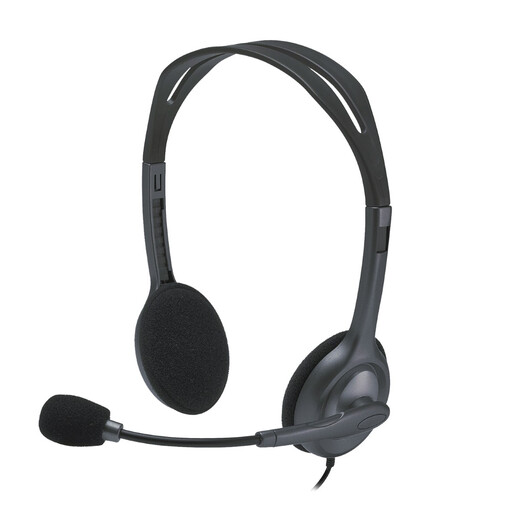
Why this suits this profile: This stereo headset is ideal for calls, music, and everyday use on Windows or macOS computers. Its 2.35 m cable gives you plenty of room behind a desk.
The listing clearly states it has two jack plugs, so you won't get an unpleasant surprise with a computer that has separate sockets.
Weighs just 74 g, has a 180° adjustable microphone, and a speaker frequency response of 20 Hz to 20 kHz.
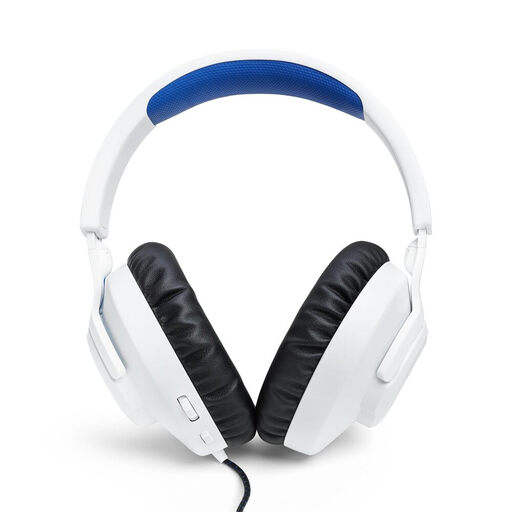
Why this suits this profile: This wired gaming headset connects via 3.5 mm jack and is designed for gamers on PS5, PS4, PC and Nintendo Switch.
The wired connection and stated compatibility reduce the risk of buying a model that only works on one platform.
40 mm drivers, detachable microphone, volume control and mic mute button.
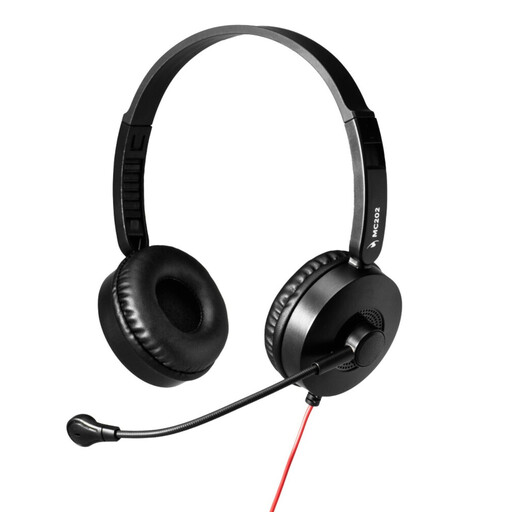
Why this suits this profile: Its USB-A connection and adjustable microphone make it a natural choice for online meetings, distance learning, and calls from a PC or laptop.
The built-in sound card means you don't have to juggle between your computer's audio and mic sockets, and it's said to install without any extra drivers.
Stereo sound, adjustable headband, soft ear cushions, and built-in microphone with claimed ambient noise reduction.
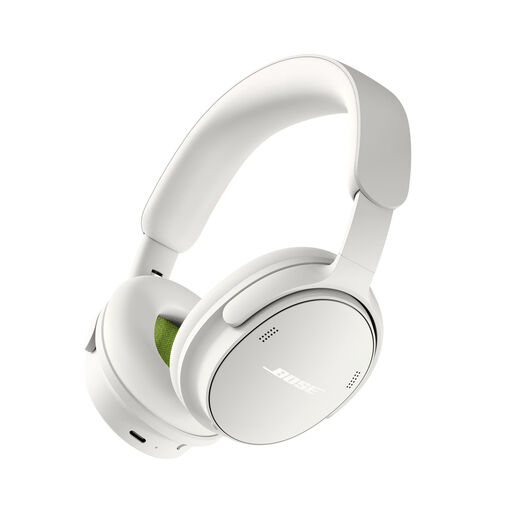
Why this suits this profile: This model offers several listening modes and wired use via USB or an auxiliary cable, while still retaining its wireless features.
The listing clearly distinguishes between noise-cancelling, transparency and off modes, rather than lumping all isolation features under a vague label.
Up to 24 hours of battery life claimed in noise-cancelling mode, and the option for lossless listening via USB, depending on the setup.
We've put together a comprehensive, real-time updated selection of products that meet these demanding criteria and European safety standards.
Yes, if it's plugged into the compatible controller's socket. Still, check the plug type, whether it has a microphone, and the compatibility stated by the manufacturer. On a computer with separate sockets, an adapter may be needed.
It depends on build quality, how often you use it, and how well you look after it. Avoid pulling on the cable, store the headphone away from moisture, and clean the ear cushions with a soft cloth. If a plug or cable is damaged, it's better to replace it than to attempt a repair without the necessary skills.
It doesn't need a battery or charging, which means fewer accessories to manage day to day. On the downside, the cable can restrict movement and may eventually wear out. The best choice really depends on your devices, how mobile you are, and how much you value the simplicity of a plug-and-play connection.