
Livraison le jour même ou le lendemain

Qualité garantie

Débloquez vos offres de bienvenue: Livraison GRATUITE | Jusqu'à -80 % | 30 jours d'essai gratuits à JoyPlus
Téléchargez l'application
Ubiquitous and convenient, wipes have become a go-to solution for many daily tasks, from changing a baby's nappy to a quick surface clean-up. But be warned: behind this apparent simplicity lies a bewildering array of products where it's easy to go wrong. Flashy packaging or a vague marketing promise can quickly lead you to a product that is unsuitable, irritating, or simply ineffective.
Before you fill your basket, here are the 3 most common pitfalls to avoid:
To make an informed choice, you need to look beyond the slogans. Here are the three points to inspect closely.
The ingredient list (INCI) is your best friend. Depending on the intended use, some components should be sought out and others avoided.
Not all wipes are created equal in texture and durability. The material has a direct impact on user comfort and environmental footprint.
The packaging should fit your lifestyle. A bulk pack of wipes will be more economical for heavy use at home, such as for baby care. For hand hygiene on the go or makeup touch-ups, a small pack that slips into your bag will be far more practical. In any case, check that the packaging has a reliable closure system (a rigid flap or quality adhesive) to prevent the wipes from drying out prematurely.
To put theory into practice, we've selected products that tick all the right boxes for specific needs.
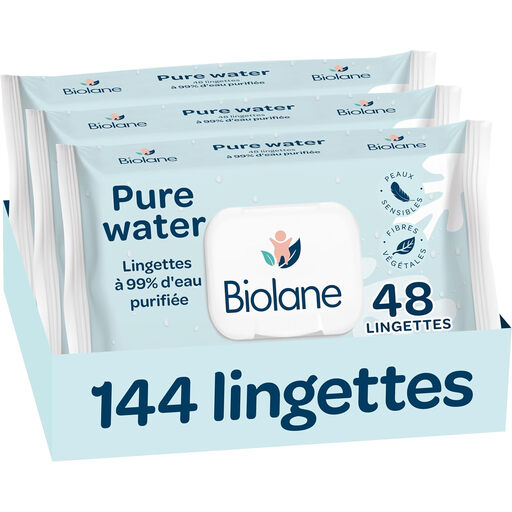
Why we chose it: The cleanest possible formula for a newborn's fragile skin. Perfect for the nappy area, body, and face, right from birth.
This product doesn't hide behind a vague 'hypoallergenic' claim. It boasts an ultra-transparent composition: 99.9% purified water and that's it (almost).
A minimalist formula and 100% plant-based fibres. The bonus? OK COMPOST HOME certification for a controlled environmental impact.
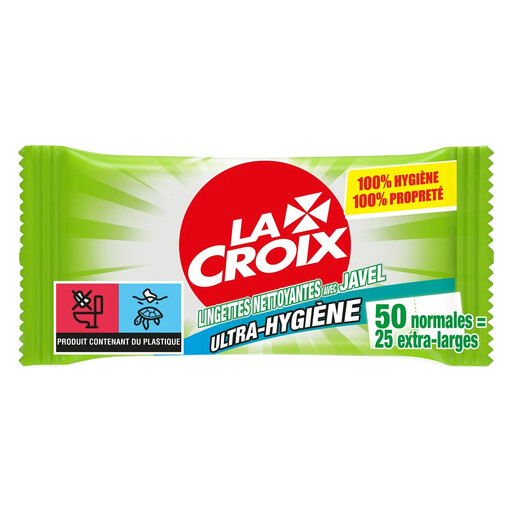
Why we chose it: For those who demand no-compromise disinfection of critical household surfaces (bins, toilets, door handles).
There's no room for confusion: this is not a 'multi-purpose' wipe. Its bleach-based formula is strictly for household cleaning, far away from skin.
A powerful 4-in-1 action: it cleans, degreases, deodorises, and disinfects. Maximum efficiency in a single wipe.
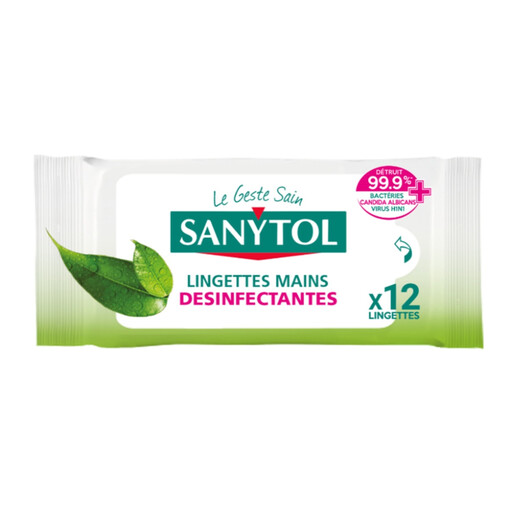
Why we chose it: The perfect solution for clean hands in any situation: on public transport, before a meal on the go, or after shopping.
Its purpose is clear and singular: to disinfect hands. Its hydroalcoholic formula is designed specifically for this goal, not for cleaning a surface.
They eliminate 99.9% of bacteria and viruses (according to the manufacturer). The pocket-sized format is ultra-practical, and its formula, enriched with moisturisers, protects the skin from drying out.
Discover our full selection of products that meet our selection criteria and current regulations.
The short answer is: no. Almost all wipes, even biodegradable ones, should never be flushed down the toilet. They cause massive clogs in your pipes and at wastewater treatment plants. Their place is in the bin, period. Only the very rare wipes that explicitly state "flushable" (and have the associated certification) can be flushed, and even then, only sparingly.
Water-based baby wipes are made of over 99% water, with just one or two preservatives to ensure product safety. They are designed to be as neutral and pure as possible for the extremely fragile skin of infants. "Classic" baby wipes may also contain lotions, fragrances, or oils to cleanse and moisturise.
The secret to preventing them from drying out is simple: always seal the pack properly after each use, whether with the rigid flap or the adhesive label. Store them away from heat and direct sunlight. If you buy a bulk pack of wipes, only open new packs as you need them.