
Livraison le jour même ou le lendemain

Qualité garantie

Débloquez vos offres de bienvenue: Livraison GRATUITE | Jusqu'à -80 % | 30 jours d'essai gratuits à JoyPlus
Téléchargez l'application
For a quick clean, disinfection, or refresh, wipes have become a go-to solution. But behind this apparent simplicity lies an overwhelming selection where it's easy to get lost. A pack that dries out in days, a formula that irritates the skin, an eco-friendly promise that rings hollow... these disappointments are all too common.
This guide is here to help you see things more clearly and make the right choice by decoding the essential criteria for wipes that are truly suited to your needs, whether they are baby wipes, cleaning wipes for the home, or makeup remover wipes.
Before you settle on a pack, it's best to know the most common traps to avoid wasting your money.
disinfectant wipe on a baby's face is a very bad idea, with potentially irritating consequences. Many formulas contain alcohol or allergenic fragrances that are harsh on sensitive skin. Scrutinising the ingredients list is a non-negotiable step, especially for sensitive skin wipes.eco-friendly wipes contain synthetic fibres (plastic) that take decades to decompose. Only wipes certified FSC or ECOCERT, and explicitly labelled as "flushable in toilets" (like some moist toilet tissues), offer a real guarantee.To make the right choice, three fundamental parameters must be scrutinised.
Specialisation is key. Each formula is designed for a specific mission:
floor wipes are specifically impregnated to avoid leaving a sticky film.A quick glance at the packaging can tell you a lot. Look for clear labels such as:
disinfectant wipes, the EN 14476 standard is a guarantee of virucidal efficacy (including against the COVID-19 virus), information often highlighted by brands like Sanytol or St Marc.The wipe's material and its packaging are just as important as the lotion it contains.
bulk packs of wipes, it's even a decisive factor in ensuring freshness from the first use to the last.Here are a few recommendations that meet the needs of specific user profiles, in line with the criteria we've just discussed.
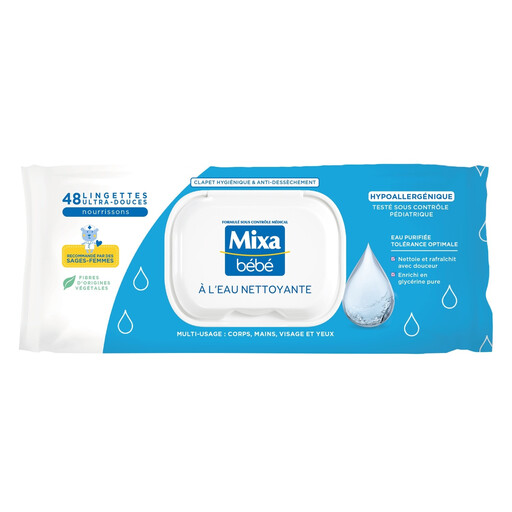
Why we chose them: The ideal solution for parents seeking gentleness and safety for baby's nappy changes and clean-ups. A simple, effective formula designed for the delicate skin of little ones.
Its hypoallergenic formula, based on purified water and glycerine, is specifically designed to minimise the risk of allergies and irritation, unlike multi-purpose wipes loaded with fragrances or alcohol.
Tested under paediatric supervision and protected by an anti-drying flip-top lid, these wipes combine maximum safety with everyday practicality.
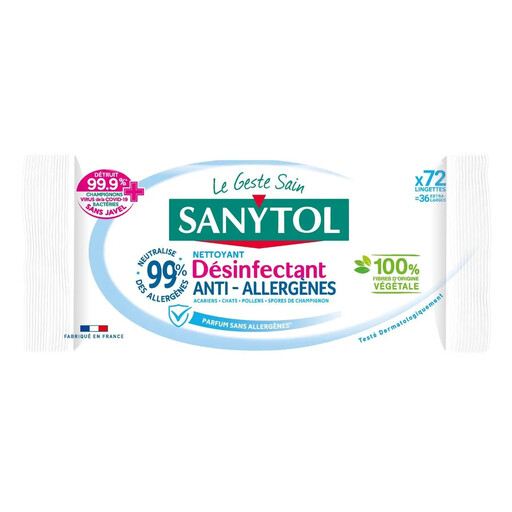
Why we chose them: For those who demand impeccable surface disinfection, especially allergy sufferers. This product combines cleaning, disinfecting, and neutralising actions against the most common allergens.
They don't just clean; they disinfect. Their formula eliminates 99.9% of bacteria, fungi, and viruses (including SARS-CoV-2, in accordance with the EN14476 standard), providing targeted action for perfect home hygiene.
Its triple action (cleans, disinfects, neutralises allergens) makes it an all-in-one solution for households with sensitive individuals or pets.
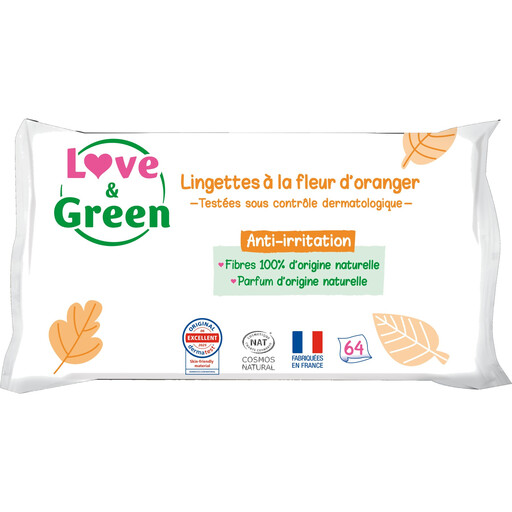
Why we chose them: The perfect option for those who refuse to choose between convenience and respect for the environment. This product checks all the boxes: natural fibres, a clean formula, and packaging designed for recycling.
It combats greenwashing with tangible proof: 0% plastic, 100% natural origin FSC-certified fibres, COSMOS NATURAL certification by ECOCERT, and fully recyclable mono-material packaging.
Its formula contains 98% ingredients of natural origin, including organic orange blossom floral water with soothing properties, and is free from any controversial preservatives.
We have compiled a complete and up-to-date selection of products that meet our strict selection criteria and current regulations.
The short answer: no. The vast majority of wipes, even those labelled "biodegradable," do not break down quickly enough and are a major cause of clogged pipes and water pollution. Only products explicitly marked "flushable in toilets", like some moist toilet tissues, can be flushed, and always in moderation (one or two at a time, no more). When in doubt, the bin is the only safe destination.
The number one rule: close the pack tightly immediately after each use. Packaging with a rigid plastic flip-top lid is far more reliable than simple adhesive tabs. Pro tip: store the pack upside down. Gravity will help the lotion evenly soak all the wipes, including the ones at the top.
Although the terms are often used interchangeably, the distinction is significant. An antibacterial wipe, as its name suggests, only targets bacteria. A disinfectant wipe has a much broader spectrum of action: its effectiveness is proven against bacteria, but also against viruses and/or fungi, according to specific standards (e.g., EN 1276 for bactericidal action, EN 14476 for virucidal action). For complete surface hygiene, a disinfectant wipe is therefore more effective.