
Livraison le jour même ou le lendemain

Qualité garantie

Débloquez vos offres de bienvenue: Livraison GRATUITE | Jusqu'à -80 % | 30 jours d'essai gratuits à JoyPlus
Téléchargez l'application
Between the promises of effortless cleaning, bargain multi-packs and sometimes vague eco-claims, buying wipes and cleaning cloths can quickly lead to unnecessary spending. A cloth that leaves lint on windows, a wipe that is too flimsy for the kitchen or a wash mitt that traps grains of sand can make cleaning harder, and may even damage certain surfaces.
To make the right choice – whether for the home, the car or professional use – focus on the material, the format, the care instructions and the usage limitations.
A highly absorbent fabric is not necessarily suitable for screens, mirrors or car bodywork. Thick fibres can hold onto particles that may scratch a shiny surface when used dry. Conversely, a lightweight non-woven wipe can be perfectly fine for a quick wipe-down, but may lack the durability needed for a heavily soiled worktop.
Your choice should therefore depend on the intended use: dry dust, grease, water marks, windows, skin, dishes or car paintwork all require a different texture.
The term "reusable" is only worthwhile if the cloth can genuinely withstand several washes while retaining its properties. Check the maximum wash temperature, whether fabric softener is prohibited, and the drying instructions. A washable microfibre cloth can lose its effectiveness if the fibres become clogged or coated with fabric softener residue.
That said, single-use dry wipes can meet specific needs, particularly in a professional environment or for personal hygiene. In that case, compare the number of sheets, the weight (gsm) and the cost per use.
Some wet cloths and pre-moistened products are not suitable for oiled or waxed wood, porous surfaces, carpets or unprotected materials. Always check the product description and the instructions on the packaging before first use. For a delicate surface, always test on an inconspicuous area first.
A 35 × 35 cm streak-free window cloth is easy to handle on a mirror or window. For larger surfaces, a 20 × 48 cm format reduces the number of passes needed. In the kitchen, 40 × 66 cm towels offer good coverage for drying hands, washing up or cleaning worktops.
Also compare the number of pieces. A pack of three washable cloths allows you to separate uses: kitchen, bathroom and dusting, for example.
Before buying reusable cleaning wipes, check:
A colour-coding system can also help prevent transferring dirt between the bathroom, kitchen and other rooms.
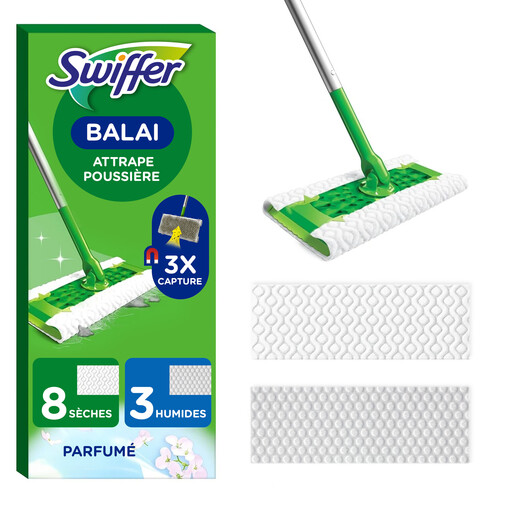
Why this choice suits this profile: This pack combines 8 dry wipes and 3 wet wipes for everyday floor cleaning, especially under furniture and in hard-to-reach corners.
The separation between dry and wet uses prevents using a single wipe on all types of dirt. Surface restrictions must still be followed.
8 dry wipes, 3 wet wipes and a 360° swivel head. The wet wipes are not intended for oiled or waxed wood, carpets or certain porous surfaces.
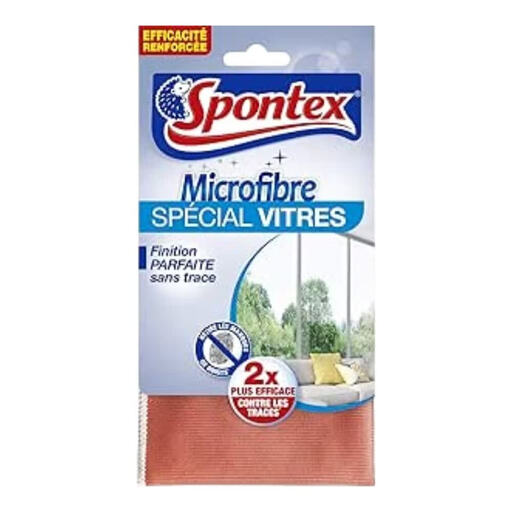
Why this choice suits this profile: This microfibre cloth is designed for glass, mirrors and glazed surfaces, to be used with water only.
Using it without detergent limits residue that could cause streaks. Wash without fabric softener and avoid the tumble dryer.
35 × 35 cm format, washable at 60 °C and material stated as 100% recyclable. Use the cloth dry or slightly damp depending on the surface.
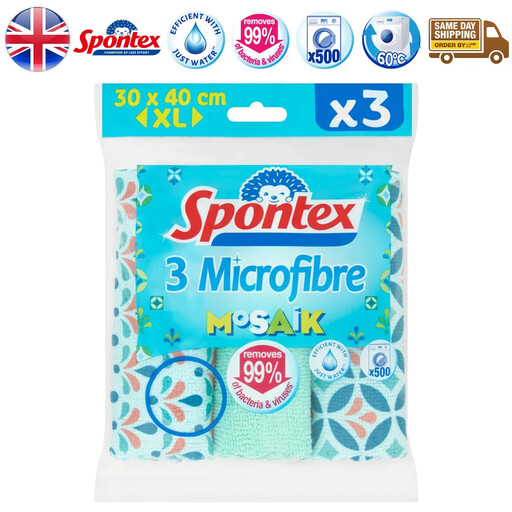
Why this choice suits this profile: This pack is suitable for both households and professionals who switch between dusting, surface cleaning and drying dishes.
Washable up to 60 °C and the ability to assign a colour to each cloth reduces the need for frequent replacements and prevents mixing up uses.
3 cloths measuring 30 × 40 cm, made from 85% polyester and 15% polyamide, washable up to 500 times according to the product description.
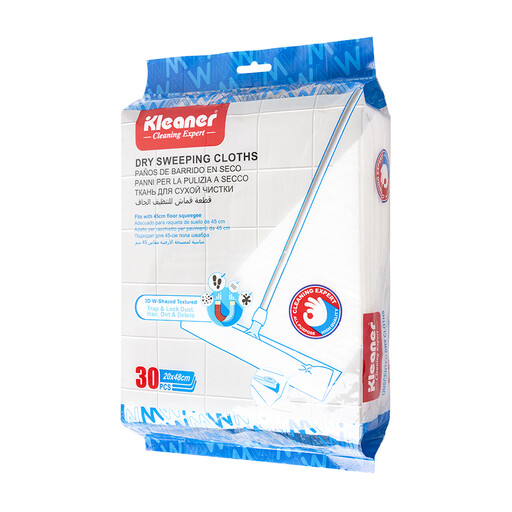
Why this choice suits this profile: The format and packaging are ideal for professional kitchens, hospitality, offices and maintenance workshops.
The 65 g/m² weight and W-embossing provide concrete specifications, unlike wipes where the thickness is not stated.
30 sheets per pack, non-woven material stated as lint-free, and use dry for dusting or polishing.
We have put together a comprehensive, real-time updated selection of products that meet these demanding criteria and comply with European safety regulations.
Dry baby wipes should be chosen based on their composition, storage method and the manufacturer's warnings. The Babycare wipes shown are intended for dry use or after moistening with water, using Lyocell viscose fibres of plant origin. The product description states they are free from alcohol, parabens and fragrance, but any sign of irritation should lead you to stop using them. They must never be flushed down the toilet.
For the car, a car wash mitt should be used damp, on bodywork that has first been freed of abrasive particles. The fluffy-fibre mitt shown is washable and reusable; rinse it after each use and leave it to air-dry. Avoid cleaning paintwork or windows dry: sand and dust trapped in the fibres could cause micro-scratches.
Choose a clean, low-lint microfibre cloth in a size that is easy to handle. Use it dry or slightly damp according to the manufacturer's instructions, then finish with a dry section of the cloth. Fabric softener is generally not recommended, as it can reduce the effectiveness of the fibres.
It depends on how often you use them, how you wash them and the condition of the fibres. A cloth that is fraying, absorbing less well or leaving streaks should be replaced. A statement like "washable up to 500 times" refers to a stated limit under specific care conditions, not a guarantee of identical performance after every wash.
This is not recommended, as it can spread dirt around. Keep separate cloths for the kitchen, bathroom, windows and car. Different colours or formats make this organisation easier and reduce mistakes when putting them away.