
Livraison le jour même ou le lendemain

Qualité garantie

Débloquez vos offres de bienvenue: Livraison GRATUITE | Jusqu'à -80 % | 30 jours d'essai gratuits à JoyPlus
Téléchargez l'application
Wipes have become an everyday essential, whether for baby care, quick clean-ups, or removing makeup. Yet, with overcrowded shelves, it's easy to make a mistake. A pack that dries out in a week, a formula that irritates the skin, or disappointing performance on stubborn stains—these frustrations are common. This guide is here to help you see things more clearly, avoid marketing traps, and focus on what really matters.
Before you head to the checkout, here are 3 common mistakes that can cost you dearly (and drive you crazy):
To make the right choice, focus on a few key points that determine a wipe's quality and suitability for your needs.
The ingredient list and displayed standards are your best allies.
The wipe's material is crucial for its durability and comfort in use. A wipe that tears or pills on the first pass is simply a bad buy.
Using the right wipe for the right job is the key to effectiveness.
Here are a few products that stand out from the crowd, each meeting a specific need while adhering to our quality criteria.
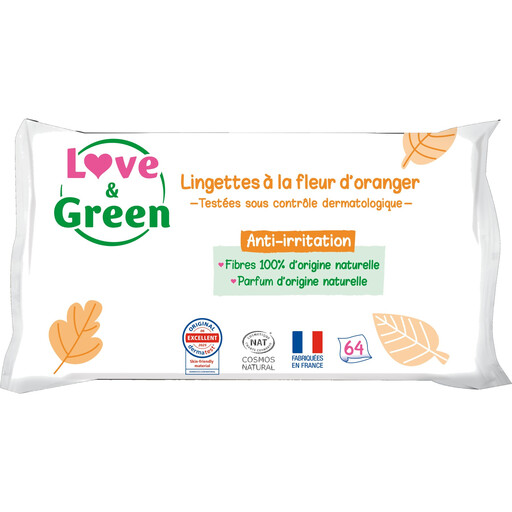
Why we love it: Because they offer a healthy solution for babies and respect the planet, without making any compromises on softness.
These wipes avoid the trap of false eco-promises with rock-solid certifications: COSMOS NATURAL by ECOCERT and FSC. The mono-material packaging is fully recyclable, and the rigid lid effectively protects against drying out.
A 98% natural origin formula with soothing organic orange blossom water. 100% natural origin fibres, 0% plastic.
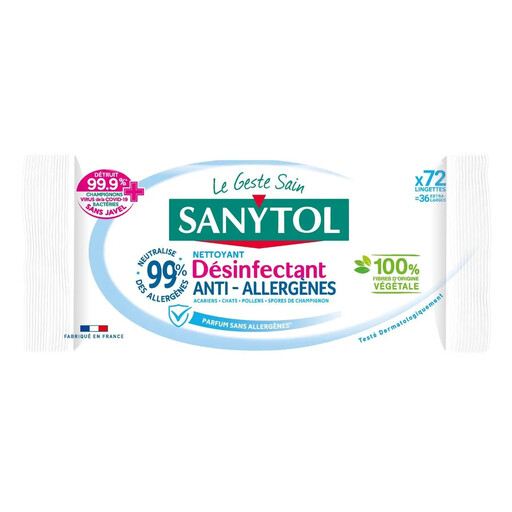
Why we love it: The perfect solution for households with allergy sufferers or pets. They clean, disinfect, and neutralise the most common allergens in a single step.
Sanytol doesn't fall into the "all-in-one" trap. Its mission is clear: to disinfect and neutralise allergens. Its virucidal efficacy, validated by the EN14476 standard, is an undeniable guarantee of performance.
Triple action: cleans, disinfects (bacteria, fungi, viruses), and neutralises 99.9% of allergens (dust mites, cat hair, pollen). The wipes are also biodegradable.
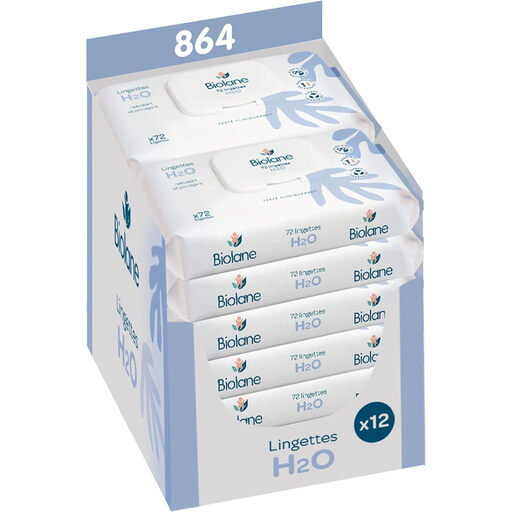
Why we love it: For families who are heavy users of wipes and want to optimise their budget without skimping on quality. Buying a bulk pack is the most economical and practical solution.
This bulk format avoids the drying-out trap. Since it consists of 12 individually sealed packs, you only open what you need, keeping the others fresh until the very end.
A very competitive cost-per-wipe. The formula is hypoallergenic, alcohol-free, and has a physiological pH, making it suitable for sensitive skin from birth.
Discover our complete and up-to-date selection of products that meet our selection criteria and current regulations.
The short answer: no. Even wipes labelled "biodegradable" should not end up in the toilet, unless the packaging explicitly states "flushable" (which is very rare). Most do not break down quickly enough and risk causing costly blockages in your pipes and overwhelming wastewater treatment plants. The right habit: always throw them in the general waste bin.
The distinction is important. An antibacterial wipe is formulated to eliminate bacteria. A disinfectant wipe has a broader spectrum of action: it is bactericidal, but often also virucidal (effective against viruses) and fungicidal (effective against fungi). For complete hygiene, especially during the winter flu season, choose a disinfectant product whose virucidal efficacy is validated by a standard like EN 14476.
The key is to reseal the pack tightly after each use. If the pack has a rigid plastic lid, make sure it clicks shut properly. For packs with a simple adhesive tab, a time-tested trick is to store the pack upside down. Gravity does the rest: it keeps the solution in contact with the top wipe, preventing it from drying out.