Fans of spicy flavours
You’re looking for a cup where ginger, cinnamon or other spices really stand out. Recipes featured by Twinings France and Carrefour show how these ingredients can also be paired with fruity notes.


For a warming winter cup, choose a spicy blend if you like a bold flavour, a fruity recipe for softer notes, or a milder herbal blend for an evening pause. Then check the ingredients and brewing instructions: a recipe’s name alone won’t tell you whether it contains liquorice or is free from tea leaves.
You’re looking for a cup where ginger, cinnamon or other spices really stand out. Recipes featured by Twinings France and Carrefour show how these ingredients can also be paired with fruity notes.
You’d rather start with an apple, orange or rooibos recipe, without making the heat of the spices your main priority. Check the ingredients: two blends with winter-themed names can contain very different herbs and spices.
You’re looking for a milder flavour and want to know exactly which herbs are in the recipe. It’s worth checking whether your chosen product contains tea leaves or liquorice, rather than making assumptions based on the range name.
Start with the flavour you want in your cup, then check the ingredients and brewing instructions for the specific product.
| What matters | What to check | Who is it for? |
|---|---|---|
| Spicy flavour | Check the ingredients for ginger, cinnamon or cloves, and look at the recommended brewing time. | If I want to taste the spices in my winter cup, I choose a recipe that puts them centre stage. Around 45% of consumers are said to make a spicy flavour their priority. |
| An evening cup | Check whether it contains tea leaves, and look for a “caffeine-free” statement if this is an important factor in your choice. | For a late-night cup, I want to know what’s in it rather than rely on the word “herbal tea” alone. This is said to be the top priority for around 33% of consumers. |
| Mildness and ingredients | Check which herbs and fruits the recipe contains, any listed allergens and whether it contains liquorice. | I prefer a milder flavour and want to spot the ingredients I pay attention to if I drink it regularly. Mildness and ingredients are said to be the priority for around 22% of consumers. |
Lipton recommends 200 ml of water at 100 °C and a brewing time of 4 to 5 minutes for its mint and cinnamon herbal tea. Its “Infuse à froid” mango and rooibos product, on the other hand, is prepared with 500 ml of cold water. These instructions are for different ways of drinking it.
If you want a hot cup, check the preparation instructions for the specific product before choosing it.
On Auchan’s product page for “Frissons d’hiver” by 2 Marmottes, the description mentions spices that don’t appear in the ingredients list shown. This matters if you’re choosing the recipe for a particular herb or spice.
Check the ingredients list, and look at the packaging if the information on a product page doesn’t match.
Liquorice is found in some fruity and spicy recipes, including the ingredients of Pukka’s wild apple, cinnamon and ginger herbal tea featured by Carrefour. Anses warns of risks associated with excessive liquorice consumption.
Look for this ingredient on the label and take account of any other liquorice products you consume.
Twinings France offers herbal tea collections with spicy or more indulgent flavour profiles, including blends of ginger, honey and lemon.
Lipton offers hot-brew mint and cinnamon herbal tea, as well as “Infuse à froid” products.
The retailer features a product page for Pukka’s wild apple, cinnamon and ginger herbal tea.
The retailer features Vitavéa’s “Hiver enchanté” herbal tea, a blend of rooibos, cinnamon, bitter orange, lemon balm and cloves.
The retailer features 2 Marmottes’ “Frissons d’hiver” herbal tea in a box of 30 tea bags.
These products suit different tastes: spices and cinnamon, rooibos with citrus notes, a selection of herbal teas or a milder, less spicy cup. Choose a specific recipe based on its flavour and ingredients, rather than assuming all winter herbal teas are interchangeable.
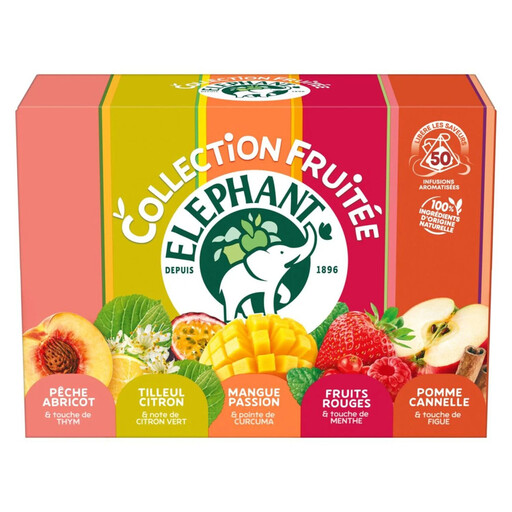 Image unavailable
If you’d like to enjoy a variety of cups over winter, compare the recipes in this box before choosing a tea bag.
Pack details: 50 tea bags, 89 g in total. Check the ingredients for your chosen recipe, particularly if you’re keeping an eye on liquorice.
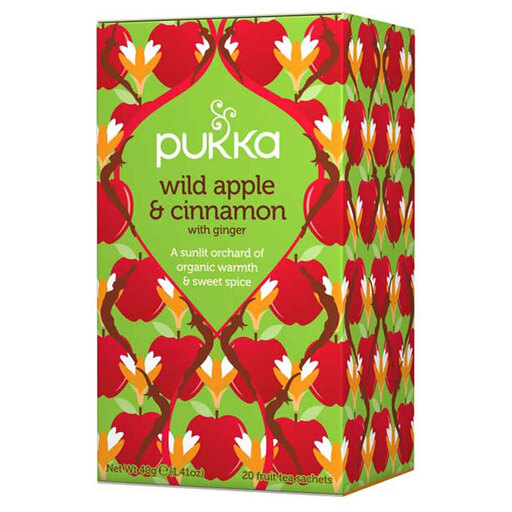 Image unavailable
Worth considering if you’re after an apple and cinnamon blend rather than a purely herbal infusion.
Carrefour also lists ginger and liquorice among the ingredients in this Pukka recipe. Follow the brewing instructions on the packaging.
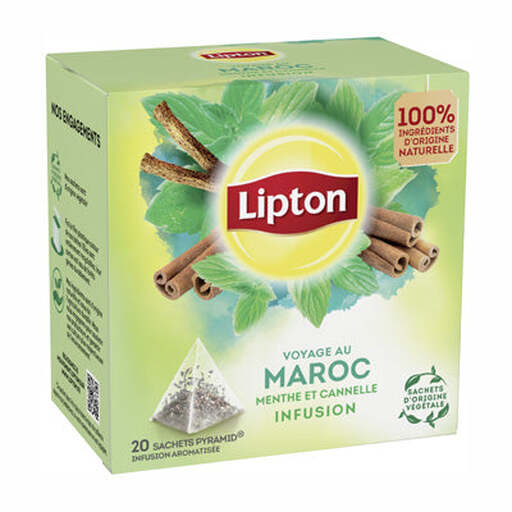 Image unavailable
For a hot cup combining mint and cinnamon, this product is different from Lipton’s herbal teas designed for cold water.
Lipton recommends one tea bag in 200 ml of water at 100 °C for 4 to 5 minutes. If you specifically want a caffeine-free drink, check the ingredients on the packaging.
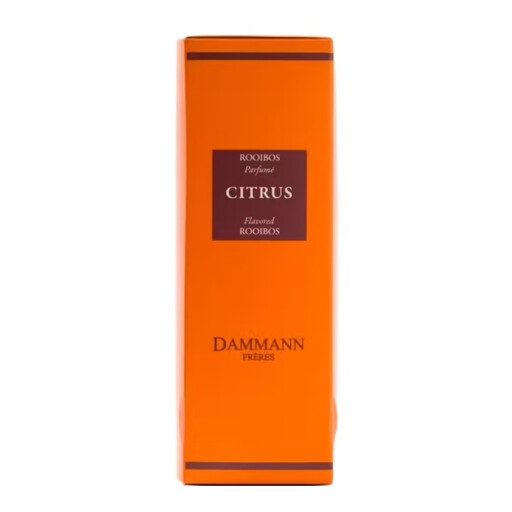 Image unavailable
Worth considering if you prefer a rooibos recipe with citrus notes to a blend dominated by spices.
The pack contains 24 tea bags and weighs 48 g. If the specific citrus fruits or preparation method matter to you, check the ingredients list and brewing instructions on the packaging.
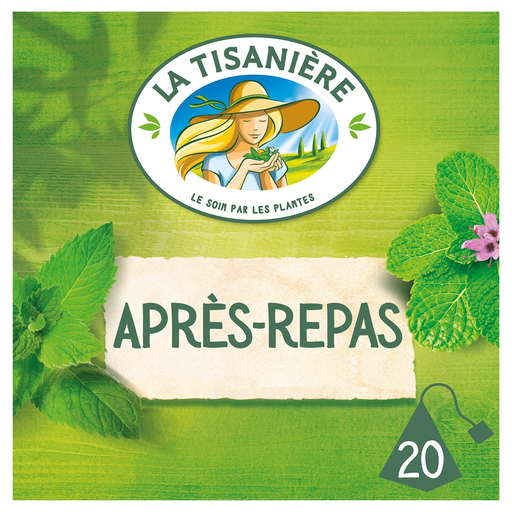 Image unavailable
If you prefer herbs and mint to the ginger and cinnamon combination, compare this recipe with spicier blends.
The pack contains 20 tea bags. Check the full ingredients list if you avoid certain ingredients, particularly liquorice.
Choose based on the ingredients, not just the range name. If caffeine-free is essential for you, look for an explicit statement on the product and check whether its ingredients include tea leaves. Twinings France sells both herbal teas and tea.
Start by checking the ingredients list to see which herbs are actually included, then look for any allergens and the preparation instructions. For prepacked foods, the DGCCRF reminds shoppers that ingredients are listed in descending order by weight and allergens are highlighted.
Yes, especially if you regularly consume several products that contain it. Anses warns of risks associated with excessive liquorice consumption, so check whether it’s included in each recipe and take your overall consumption into account.
Follow the instructions for the product you’ve bought, as brewing times vary by recipe. E.Leclerc and Lipton recommend 3 to 5 minutes for Vitavéa “Hiver enchanté” and 4 to 5 minutes for Lipton mint and cinnamon respectively. Also check the recommended water volume and temperature.