Hosts who want to control portion sizes
A tub of ice cream lets you serve smaller or larger scoops to suit your guests. Carrefour and E.Leclerc, for example, stock creamy flavours in tubs.


For easy scooping, choose a tub of ice cream if you’re after a creamy recipe, or a tub of sorbet if you prefer a fruity finish. If presentation matters more, look for ready-shaped frozen desserts. Whichever you choose, compare the weights and check the ingredients, allergens and storage instructions on the packaging.
A tub of ice cream lets you serve smaller or larger scoops to suit your guests. Carrefour and E.Leclerc, for example, stock creamy flavours in tubs.
A tub of sorbet is a fruity option after a meal, while letting everyone choose their own portion. However, the flavour alone doesn’t tell you enough about the ingredients or allergens, so check the label on the product you choose.
If the dessert is for several guests to share, check the net weight as well as the volume. The DGCCRF points out that the air incorporated into a frozen dessert can affect its weight, even when the volume is the same.
Choose it if: you want a creamy recipe and portions served as you go.
Bear in mind: ingredients and allergens vary from one recipe to another.
Choose it if: you prefer a fruity flavour but still want to serve it by the scoop.
Bear in mind: the term ‘sorbet’ alone doesn’t guarantee that a product is free from allergens.
Choose it if: you’d rather serve a vacherin, yule log or baked Alaska that you can slice.
Bear in mind: serving slices gives you less flexibility over portion sizes than a tub.
| What matters | What to check | Who it’s for |
|---|---|---|
| Creamy recipe | Check the dessert description, ingredients and allergens. | To round off the meal with a creamy texture, I want to serve everyone a scoop; around 33% of consumers prioritise this. |
| Quantity to share | Compare the net weight and volume, then check the number of servings if stated. | When several people are sharing dessert, I want to choose the right quantity without relying on litres alone; around 25% of consumers put this first. |
| Fruity flavour | Check the dessert description, ingredients and nutritional information. | After a hearty meal, I’d rather offer a fruity flavour than a creamy one; around 25% of consumers share this priority. |
| Ingredients and allergens | Read the highlighted allergens and any ‘may contain’ statements on the packaging you buy. | If a guest needs to avoid an ingredient, I want to check the exact product before sharing it; around 17% of consumers prioritise this check. |
Two tubs with the same volume don’t necessarily contain the same weight. The DGCCRF highlights the effect of air incorporated into frozen desserts.
Check the net weight too, especially when comparing how much you’ll be able to serve from different tubs.
Carrefour’s product information for some sorbet tubs warns that they may contain milk or other allergens. The type of dessert alone isn’t enough to tell you whether it’s suitable for a guest.
Check the ingredients, allergens and any ‘may contain’ statements on the packaging of the product you buy.
Frozen desserts must be stored as instructed on the packaging. The French authorities warn that breaking the cold chain can make a product unsafe to eat.
Pick up frozen food last while shopping, put it in the freezer as soon as you get home, and follow the manufacturer’s storage and usage instructions.
These retailers offer different types of frozen desserts to share. Check what’s available at the store where you shop.
Its range includes ice cream and sorbet in tubs, both under the Carrefour brand and from other brands.
Its range includes ESKISS tubs and sorbets from its Marque Repère own-label range.
Its range includes ice cream, frozen desserts and sorbet in tubs.
Its range includes MUCCI ice cream in tubs.
Its range includes shaped frozen desserts to share, including vacherins, yule logs and baked Alaskas.
These tubs are easy to serve by the scoop, with flavours including stracciatella, speculoos, coffee, caramel and peach. For the peach tub, check the packaging to see whether it’s ice cream or sorbet.
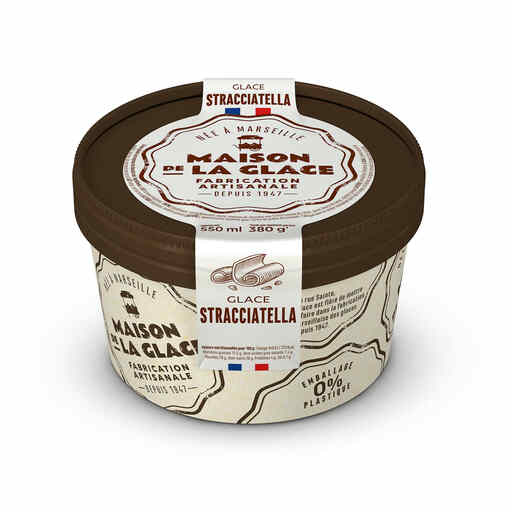 Image unavailable
Serve stracciatella dessert in portions you can adjust as you scoop. Check the allergens and storage instructions on the packaging.
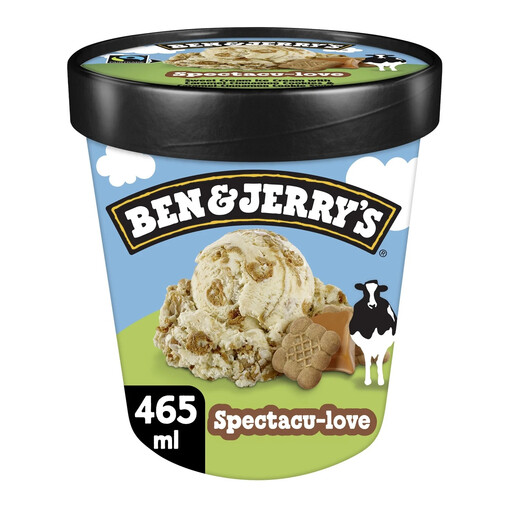 Image unavailable
Serve a caramel and speculoos flavour by the scoop. If you’re comparing it with another tub, check its net weight on the packaging too.
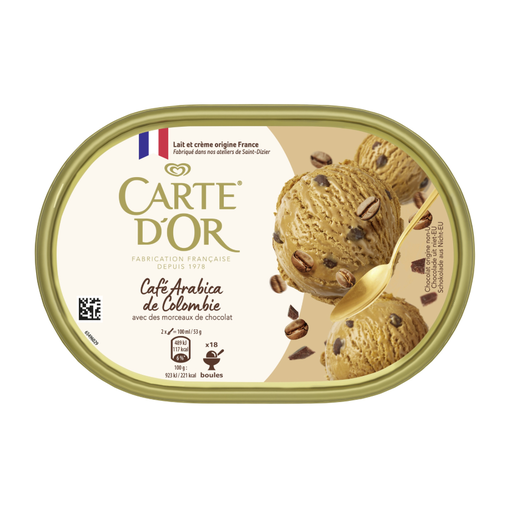 Image unavailable
A coffee flavour for guests who like to choose their own portion. Check the tub’s net weight and allergens before comparing it with another recipe.
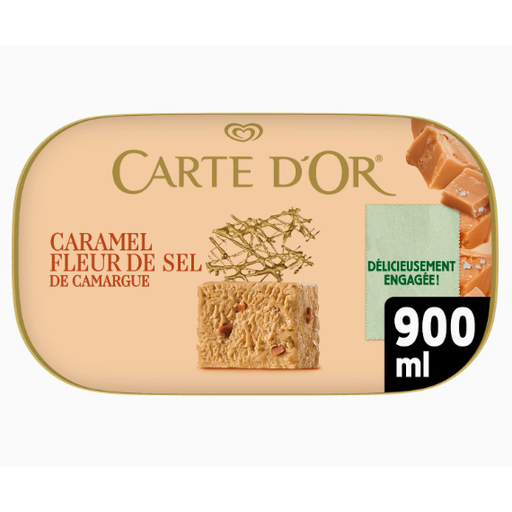 Image unavailable
Serve a salted butter caramel flavour by the scoop. Check the net weight, ingredients and allergens of the product you buy.
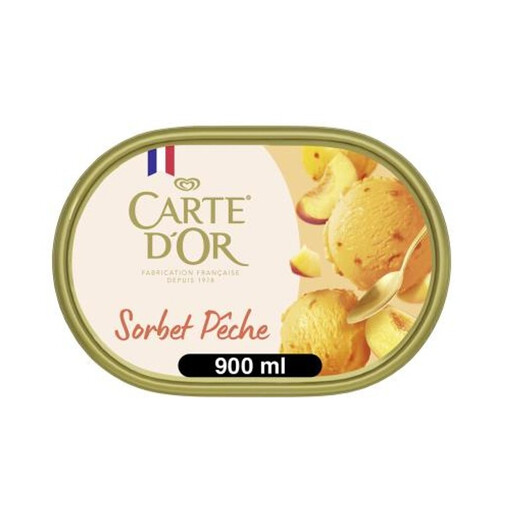 Image unavailable
Serve a peach flavour by the scoop. Before choosing this tub, check the exact dessert description, net weight and allergens on the packaging.
No. The term ‘sorbet’ alone doesn’t establish that it’s suitable. Carrefour warns that some sorbet tubs may contain milk; check the ingredients and any ‘may contain’ statements on the packaging of the product you buy.
Check both, paying particular attention to the net weight when comparing how much dessert you’re getting. The DGCCRF explains that air incorporated into the mixture can affect the weight, even when the volume is the same.
Keep it frozen and follow the storage instructions on the packaging. Pick up frozen desserts last while shopping and put them in the freezer as soon as you get home. The French authorities warn that breaking the cold chain can make a product unsafe to eat.
Read the ingredients list, where allergens must be highlighted according to the DGCCRF, as well as any ‘may contain’ statements. Check the packaging of the product you’re actually going to serve rather than relying on its flavour or category alone.