
Livraison le jour même ou le lendemain

Qualité garantie

Débloquez vos offres de bienvenue: Livraison GRATUITE | Jusqu'à -80 % | 30 jours d'essai gratuits à JoyPlus
Téléchargez l'application
The arrival of cold weather doesn't have to mean the end for your garden. A good winter fleece can make all the difference, protecting your plants from frost and even extending your harvest season. But faced with a jungle of options, it's easy to make a mistake that could cost your plants their lives. Our mission? To help you see clearly and choose the right protection, far from the marketing hype.
Before you check out, let's review the most common pitfalls. A poor choice isn't just ineffective; it can actively harm your plants.
For truly effective plant protection from the cold, forget the marketing and focus on these three technical points. This is where true quality lies.
The weight, or grammage, is the fabric's weight per square metre (g/m?). It indicates the level of frost protection. The goal isn't to aim for the highest number, but the most appropriate one.
The choice of material is crucial for your plants' survival.
A good fleece is one that lasts for several winters. UV treatment (or stabilisation) prevents the plastic from breaking down under the sun's rays. A UV-treated product is reusable for several seasons, making it a worthwhile investment and an eco-friendly choice.
To help you choose, here are three products that meet specific needs, all validated against our selection criteria.
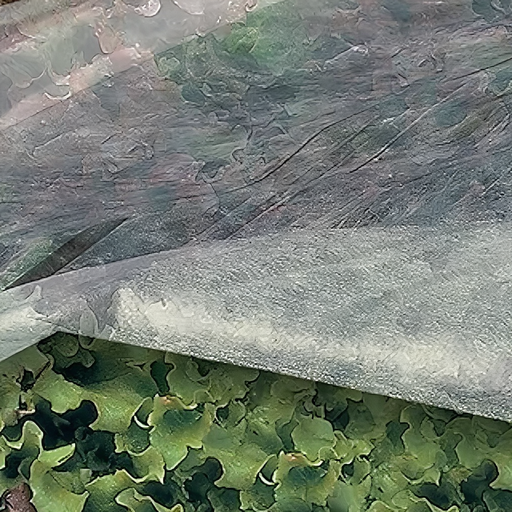
Why we recommend it: Perfect for beginners or for a balcony/small vegetable patch. Its format is easy to cut and handle, and its 17 g/m? weight is versatile enough for the first frosts or for protecting seedlings.
Its smart format means you don't have to buy a huge roll or an excessive weight for a simple need. It's the right amount of protection, without waste.
UV-treated, it's designed to be reused for several winters, making it a much smarter choice than untreated entry-level products.
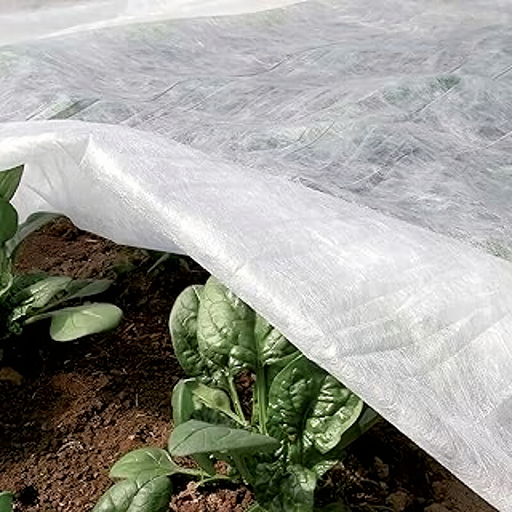
Why we recommend it: The solution for sensitive plants (citrus, oleanders) or regions where winter is no joke. Its 30 g/m? weight provides a much better thermal barrier.
It offers enhanced protection without going overboard with an overly thick fleece. It's the perfect balance for serious winter protection where a 17 g/m? fleece would be insufficient.
Its superior tear resistance and UV treatment make it a reliable and reusable product, perfect for protecting valuable plants.
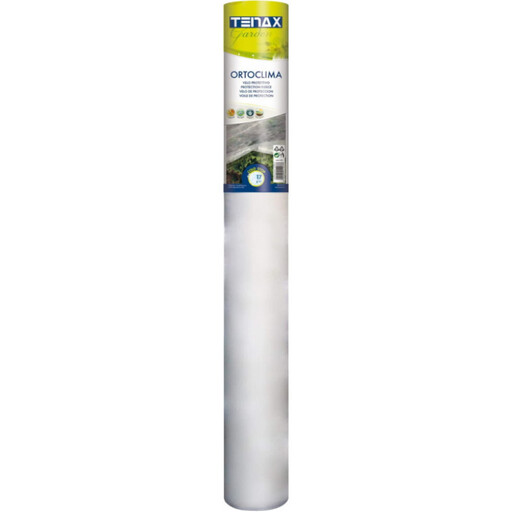
Why we recommend it: The format designed for professionals (nursery owners, market gardeners) or enthusiasts with a very large vegetable garden. This 500-metre roll is the most economical solution for covering vast areas with effective 30 g/m? protection.
No more hassle and extra cost of buying small rolls repeatedly. This professional format optimises coverage, installation time, and stock management.
Its cost per square metre is unbeatable for intensive use. The professional quality guarantees reliable and durable protection across the entire crop.
We've put together a complete selection of products that meet our quality criteria and current standards.
It all depends on your climate and the fragility of the plant.
Yes, as long as it is a breathable, non-woven fleece. Leaving it in place prevents thermal shock. However, remember to open or lift it on mild, sunny days to ventilate and limit condensation. Be aware that with a waterproof plastic film, daily ventilation is a must.
No, a standard winter fleece is permeable and lets rainwater pass through, which is a good thing. It does, however, cushion the impact of heavy rain or hail on young plants. For 100% waterproof protection, you need to opt for a garden protective cover or a plastic film, but always on a structure (like tunnel hoops) to avoid suffocating the plant.