
Livraison le jour même ou le lendemain

Qualité garantie

Débloquez vos offres de bienvenue: Livraison GRATUITE | Jusqu'à -80 % | 30 jours d'essai gratuits à JoyPlus
Téléchargez l'application
Winter is approaching, and with it, the quest for the perfect winter duvet. But faced with a jungle of offers and marketing promises, it's hard to know where to start. Between advertising claims and sometimes opaque technical jargon, it's easy to make a mistake you'll regret on the first chilly nights. Our editorial team's mission: to help you see things more clearly. We'll break down the traps to avoid and the real criteria that matter for a successful purchase.
To make the right choice, forget the slogans. Focus on the only indicators that truly matter.
Expressed in grams per square metre (g/m? or GSM), the fill weight measures the density of the filling. This is what determines your duvet's insulating power. It's the most reliable indicator for judging its actual warmth.
The choice between natural and synthetic depends on your priorities.
The duvet's outer shell, or casing, which holds your duvet cover, plays a crucial role in the final comfort. Opt for natural materials like cotton, percale, or cotton sateen, which guarantee softness and breathability.
Finally, keep an eye on the labels! The Oeko-Tex Standard 100 certification, for example, ensures a product free from substances harmful to your health and the planet.
Enough theory. To help you find the perfect match, here is our targeted selection, designed for different types of users.

Why we recommend it: Perfect for those who swear by the authenticity and performance of a natural duvet. It's designed for people who feel the cold or for cool bedrooms, offering enveloping warmth without ever causing you to sweat.
It doesn't just rely on the "natural" label. Its filling (90% feathers, 10% down) offers a perfect balance of insulation and loft, while its cotton sateen casing ensures softness and breathability.
Impeccable thermoregulation for consistent warmth all night long. The Oeko-Tex, Sanitized, and Certipur certifications are a guarantee of peace of mind for healthy sleep.
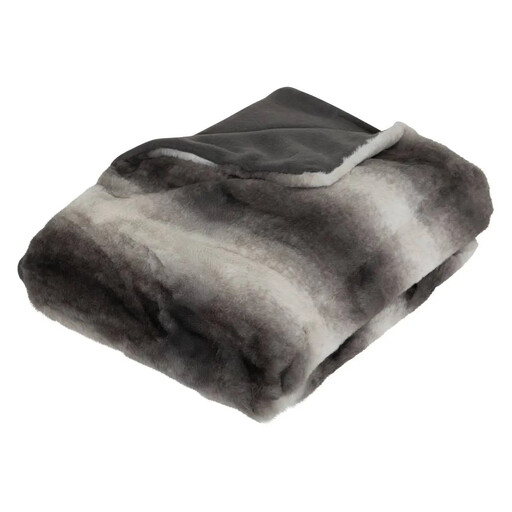
Why we recommend it: This is the ultimate 2-in-1 accessory, providing extra warmth for cool evenings while also serving as a decorative object. This sofa throw or couch throw instantly adds a cosy, textured touch to any room.
It doesn't pretend to be something it's not. Its role is clear: it's an accessory for comfort and style. Its faux fur throw texture is all about softness to the touch and aesthetics, not competitive thermal insulation.
Its versatility. Perfect for Netflix nights, it also stylishly dresses up a sofa or armchair. Bonus: maintenance is a breeze thanks to its 100% polyester composition.
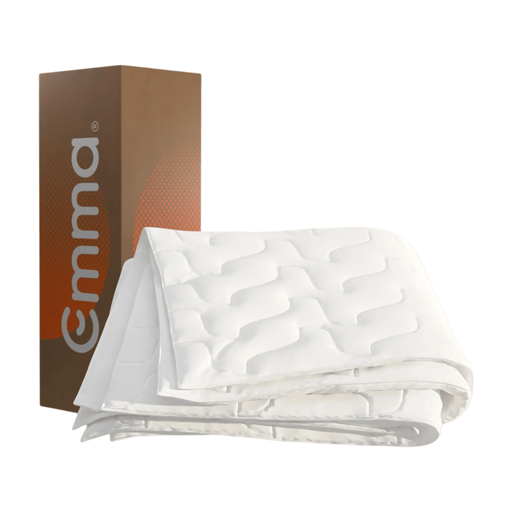
Why we recommend it: For those who expect more from their blanket than just warmth. Through "Deep Pressure Stimulation," the weighted blanket provides a calming and secure feeling, known to help reduce stress and anxiety.
Its purpose isn't warmth, but well-being. It addresses a very specific need that traditional duvets ignore. The manufacturer, Emma, even cites studies recommending its use to combat insomnia.
It offers a unique calming sensation, like a comforting hug. It's a non-medicinal approach that can genuinely improve sleep quality for anxious or stressed individuals.
We have put together a complete selection of products that meet our quality standards and market demands.
For a synthetic winter duvet, aim for a minimum of 400 g/m?. If you opt for a natural down duvet, its superior insulating power allows you to go down to around 250 g/m?. Of course, it all depends on your room temperature and whether you tend to feel the cold or not.
First rule: read the label! Most can be machine washed at a low temperature (30 or 40°C) on a delicate cycle. Use a mild detergent and, if possible, a large-capacity washing machine. The crucial step is drying: in a tumble dryer, on low heat, with dryer balls (or tennis balls) to restore the filling's loft and prevent damp clumps.
No, a weighted blanket is not a one-size-fits-all solution. It is not recommended for very young children, pregnant women, or people with respiratory or circulatory problems. If in doubt or if you have a specific medical condition, consulting a healthcare professional is essential before you buy.