
当日/次日达

品质保障

开启新人专享福利: 全场免邮 | 低至 2 折 | 免费试用 30 天 JoyPlus 会员
下载 Joybuy
As cooler nights approach, choosing a winter duvet becomes an essential task. Yet, with a seemingly endless array of options, it's easy to fall into marketing traps. A duvet that's too heavy but not warm enough, a 'natural' label hiding poor quality, or a high fill weight that doesn't guarantee comfort... These common mistakes can turn an investment in your well-being into a real disappointment.
As a product expert at Joybuy, my mission is to help you navigate this landscape. Let's forget the technical jargon and focus on what truly matters to make an informed choice that genuinely suits your needs and budget.
The winter bedding market is full of promises. To avoid being misled, keep these two key points in mind.
For a successful purchase, forget the marketing and focus on these three technical points. They are the true measures of your future duvet's quality and comfort.
The choice of filling is crucial. There are two main categories:
The fabric that holds the filling, known as the casing or shell, is just as important. A casing made of cotton percale or cotton sateen, with a tight weave (over 200 thread count), will prevent the filling from escaping while offering great softness and excellent breathability.
A duvet should overhang by at least 20 to 40?cm on each side of the bed to prevent cold air from getting in. For a standard double bed (140x200?cm), a 220x240?cm duvet is the most common choice, ensuring generous coverage.
To put theory into practice, here are a few products that meet specific needs while avoiding the common pitfalls.

Why we chose it: Ideal for those seeking the thermal performance of natural materials to face harsh winters or for poorly heated rooms.
The composition is transparent (90% feathers, 10% down), which clarifies the balance between bulk and insulation, thus avoiding the trap of a vague 'natural' label.
Its organic cotton sateen casing with a 327 thread count and its certifications (Oeko-Tex, Sanitized) guarantee a healthy feel and excellent durability.
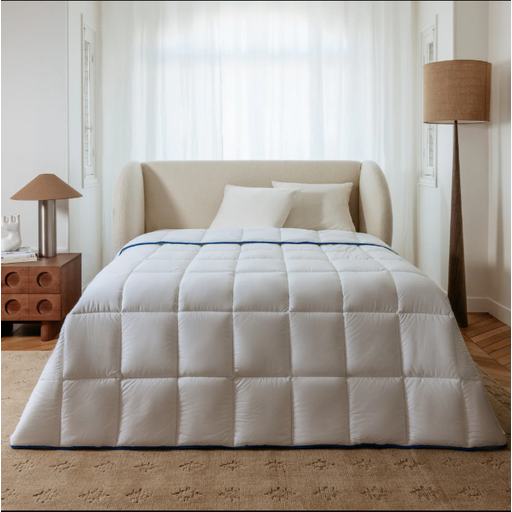
Why we chose it: Perfect for those with allergies or anyone looking for an easy-to-maintain solution without sacrificing warmth and comfort.
Rather than a simple 'anti-allergy' promise, it relies on the Oeko-Tex Standard 100 certification, which attests to the absence of harmful substances. A concrete and verifiable guarantee.
The siliconised hollowfibre filling and cotton percale casing ensure good insulation and excellent breathability, with the added bonus of being machine washable.
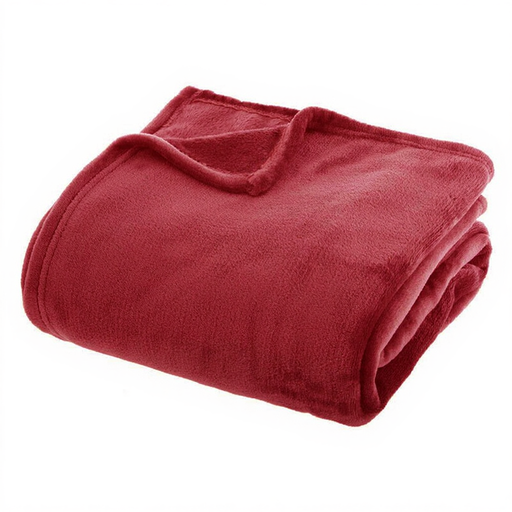
Why we chose it: For those looking for a decorative and warm sofa throw. Its large size and ultra-soft texture make it the perfect companion for movie nights or reading.
There are no false promises here: this isn't a technical duvet. It's a fleece blanket whose purpose and specifications (250 gsm, 100% polyester) are crystal clear, offering effective and stylish extra warmth.
Its generous dimensions (180x230 cm) allow you to snuggle up comfortably, alone or with a partner, and its vibrant colour adds a welcome decorative touch to the living room.
If you prefer rich textures and plush comfort for your living room, we've curated a selection of products that blend comfort and style.
The lifespan of your duvet depends on its filling and how you care for it. As a general rule, a good quality synthetic duvet lasts between 5 and 7 years. A natural filling model (feathers and down), if well-maintained, can last for over 10 years.
Always check the manufacturer's label. Synthetic duvets can usually be machine washed, provided you have a large-capacity washing machine to avoid compressing the filling. For a natural duvet, dry cleaning is often recommended to preserve the loft of the down. If you wash it yourself, use a delicate cycle, a mild detergent, and ensure it is dried thoroughly in a tumble dryer with dryer balls to help redistribute the filling evenly.
This size is ideal for a standard double bed (140x190?cm or 140x200?cm). It provides a comfortable overhang of about 40?cm on each side, which prevents cold air from getting in and ensures both sleepers stay well-covered all night. It can also be suitable for a Queen Size bed (160x200?cm), with a slightly smaller overhang.