
Livraison le jour même ou le lendemain

Qualité garantie

Débloquez vos offres de bienvenue: Livraison GRATUITE | Jusqu'à -80 % | 30 jours d'essai gratuits à JoyPlus
Téléchargez l'application
When temperatures drop, winter cold-weather products meet a wide range of needs: keeping children’s hands dry on the slopes, protecting plants from frost, making your bed more comfortable or simply adding a cosy layer to the sofa. However, a product’s soft, plush appearance does not necessarily guarantee effective everyday performance.
Before placing your order, it is worth separating verifiable features from marketing claims. Here are the criteria to examine, along with a selection of products suited to different uses in France.
A thick blanket or particularly lofty duvet is not necessarily warmer. Insulation also depends on the filling, how evenly it is distributed and the textile’s ability to limit cold air entering. For a duvet, the fill weight, dimensions and fibre type are often more informative than the stated thickness alone.
For waterproof ski gloves, a water-repellent surface does not always provide lasting protection in wet snow. The presence of a membrane, the quality of the seams and the ability to tighten the cuff also play a part. For children, gloves that are too loose allow snow to get in easily and make gripping more difficult.
A frost cover for plants should protect against the cold while allowing air, light and some water through. A sealed plastic sheet may encourage condensation and sudden temperature fluctuations. A permeable winter fleece, properly secured, is more suitable for seedlings, vegetables, shrubs and frost-sensitive potted plants.
Start by checking the size according to the child’s age and hand circumference. Models designed for winter sports should offer several qualities:
The claims “waterproof” and “windproof” should be considered alongside the care instructions. Washing too aggressively or drying the gloves near a heat source may damage the textile’s properties.
The fabric weight provides a good indication of the fleece’s density. A 17 g/m² fabric is lightweight and suitable for covering young plants directly during moderate temperature drops. A 30 g/m² fabric creates a denser barrier for cold spells, exposed crops or more delicate plants.
Measure the area to be covered and allow extra material to secure the edges to the ground. The fleece should not be pulled so tightly that it crushes the leaves. You can lay it directly over the crops or install it over hoops. Remove it, or ventilate the area, when temperatures rise consistently.
To choose a warm winter duvet, compare the fill weight, filling composition and washing options. A duvet made from hollow polyester fibres may suit anyone looking for easy care. A hypoallergenic duvet should be accompanied by precise information about treatments and certifications: check the manufacturer’s product details rather than treating this claim as a medical guarantee.
A down and feather duvet offers a different feel, often lighter and airier, but requires particular attention to the composition, stitching, care instructions and storage conditions. The size should also match the mattress and the desired overhang.
A warm fleece blanket or a soft throw for the sofa should be chosen according to its dimensions, feel and care requirements. For one person, a 150 × 200 cm size may be sufficient. At 180 × 200 cm, the blanket covers more of the sofa and can be shared. Check the washing instructions and composition before buying, particularly if the textile is intended for a household with children or pets.
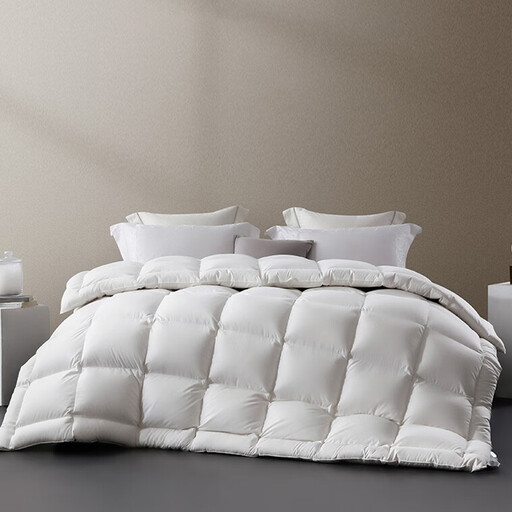
Why this choice suits this profile : This size is suitable for a single bed or a sleeping arrangement requiring generous overhang, with a natural filling stated by the manufacturer.
The down and feather composition is clearly stated : there is no mistaking it for a synthetic filling.
Declared natural filling, 155 × 220 cm size and stated suitability for cool nights.
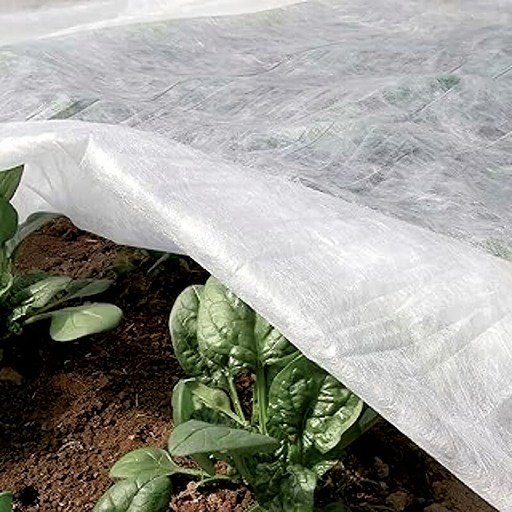
Why this choice suits this profile : Its length is suitable for rows of crops, shrubs and repeated protection in a family garden.
The 30 g/m² fabric weight and permeable material are specified, making it easy to compare with a very lightweight fleece or a sealed film.
UV-stabilised polypropylene, with stated air, water and light circulation, in a 2 × 20 m format.
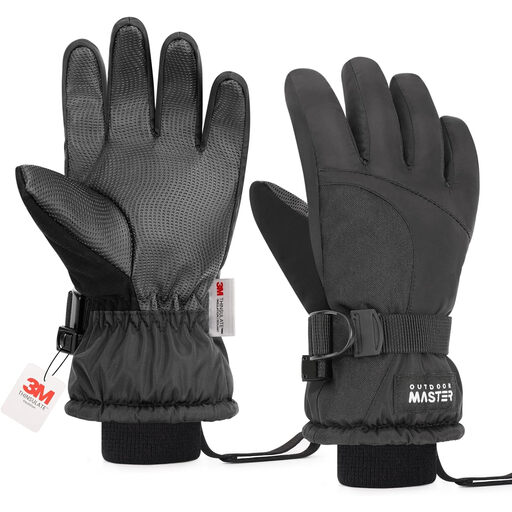
Why this choice suits this profile : The model is stated as suitable for children aged 7 to 9 and activities such as skiing or snowboarding.
The product page specifies the size, 3M Thinsulate C40 insulation, 120 g cotton padding and waterproof TPU inserts.
Anti-slip palm, adjustable cuff, anti-loss strap and hand washing recommended.
We have put together a comprehensive, real-time updated selection of products that meet these strict criteria and European safety requirements.
First, follow the instructions on the manufacturer’s label. Some synthetic duvets can be machine-washed at 40 °C, but their size often requires a large-capacity drum. The duvet must be completely dry before being stored to prevent any residual moisture. Throws can generally be washed separately to preserve their feel and colour.
Its lifespan depends on the fabric weight, exposure to wind and how often it is handled. UV-stabilised polypropylene fleece can be reused if it is removed without tearing, cleaned if necessary, dried thoroughly and then stored away from moisture. Avoid allowing it to rub against branches or sharp edges.
Not necessarily, but they should be dried after every use. Remove excess snow, open the cuffs and leave them to dry at room temperature. Avoid radiators, hairdryers and naked flames : they may damage the membranes or insulating materials.