
Livraison le jour même ou le lendemain

Qualité garantie

Débloquez vos offres de bienvenue: Livraison GRATUITE | Jusqu'à -80 % | 30 jours d'essai gratuits à JoyPlus
Téléchargez l'application
Buying wines and spirits from around the world online lets you discover French, Italian, Portuguese, Chinese and Korean products without having to visit specialist shops. But an attractive label or prestigious appellation does not guarantee that the bottle will suit your tastes or your meal. Alcohol content, format, flavour profile and storage conditions all play a part in the tasting experience.
Before ordering a red, white or rosé wine, or something a little more unusual, a few simple checks can help you avoid disappointment.
A famous name does not necessarily mean that the bottle will pair well with your menu or suit your usual preferences. A Bordeaux may have a pronounced structure and noticeable tannins, while a white Burgundy made from aligoté is likely to focus more on freshness. It is therefore better to check the grape varieties, alcohol content and tasting notes rather than relying on the appellation alone.
A prosecco, sparkling wine or tawny port is not enjoyed in the same way as a red intended to accompany an entire meal. The lambrusco featured here is 8% vol., compared with 19.5% vol. for Sandeman port. The peach makgeolli, meanwhile, is 3% vol. These differences affect the sensation on the palate, the pace of tasting and the pairings to consider.
The terms ‘brut’, ‘extra dry’, ‘sweet’ and ‘tawny’ also deserve a little attention. Despite what its name might suggest, ‘Extra Dry’ does not necessarily mean that there is no residual sugar.
A bottle exposed to heat, light or significant temperature fluctuations may lose some of its qualities. Product listings generally specify the serving temperature: around 8 to 12 °C for many rosé and sparkling wines, 16 to 18 °C for several reds, and 8 to 10 °C for certain whites or dessert wines.
Start by thinking about the occasion:
Alcohol content is an objective measure, but it is not enough to define the taste. A 13% vol. wine may seem light if it is fresh and fruity, while a sweeter drink can sometimes feel fuller and more generous.
The 75 cl format will generally suit several people. For two people or to accompany a dessert, however, a 37.5 cl half-bottle may be more practical. According to the information provided for the product in question, tawny port can be kept for up to eight weeks after opening. For other bottles, follow the recommendations on the label and avoid leaving them open for too long.
The presence of sulphites should be taken into account by anyone who is sensitive to them. Peach makgeolli contains gluten-containing cereals, including wheat, while Shaoxing wine also contains wheat. Also check the nutritional information, country of origin, operator responsible for placing the product on the market and the volume stated on the product listing or packaging.
The sale and consumption of alcohol are restricted to adults. Consumption should remain moderate: alcohol is not recommended during pregnancy or before driving.
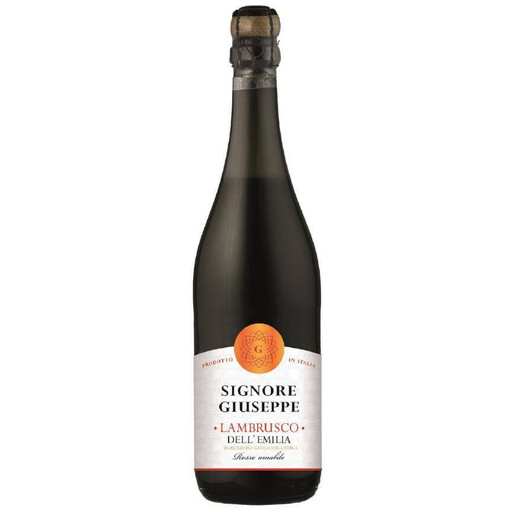
Why this choice suits this profile: This sparkling Italian red from Emilia-Romagna focuses on freshness, red fruit and a moderate 8 % vol. alcohol content. An easy-drinking bottle to discover as an aperitif or with uncomplicated food.
The product listing clearly states the alcohol content, volume and serving temperature. This makes it easy to compare the bottle with a classic red using practical criteria.
A blend of three lambrusco grape varieties, fruity profile, fine bubbles and a recommended serving temperature of between 8 and 10 °C.
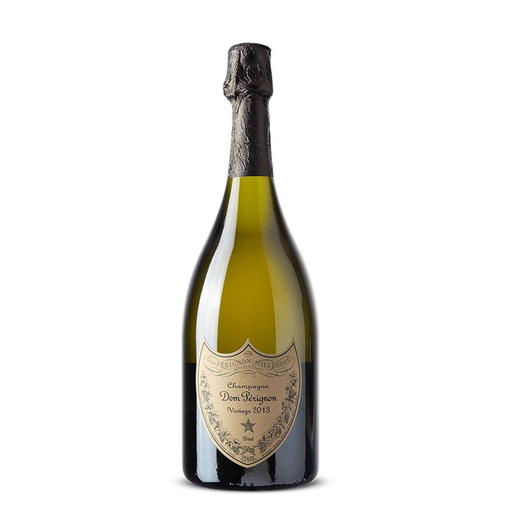
Why this choice suits this profile: This vintage champagne cuvée is made for special occasions and tastings where depth, precision and a true expression of the year are desired.
The terms ‘Champagne’ and ‘vintage’ immediately identify the type of cuvée. However, remember to check the product listing and label to confirm the vintage available.
A cuvée from a single year, with a balanced and complex profile, in a 75 cl format.
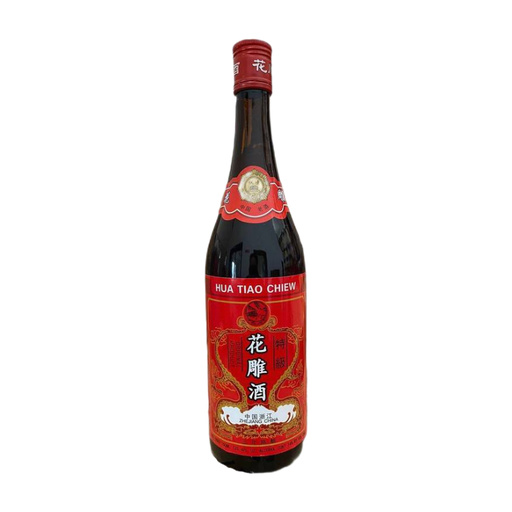
Why this choice suits this profile: This Chinese wine is a natural partner for Asian cuisine. It can be served at room temperature, gently warmed or used directly in cooking. A versatile bottle for enthusiasts who like to explore different uses.
The product listing details the ingredients, including glutinous rice and wheat, as well as storage conditions after opening. This information makes it easy to check whether it is suitable for the recipes you have planned.
Chinese origin, 750 ml format and a profile combining sweet, sour, bitter and umami notes, with the option of using it in cooking.
A fruity sparkling wine, fresh rosé or low-alcohol makgeolli are all good starting points. To compare bottles with confidence, check the alcohol content, sweetness, format and serving recommendations.
It depends entirely on the type of drink. Still wines should generally be consumed fairly soon after opening. Sweet wines and some ports keep for longer, but the information on the product listing or label should always take priority. In all cases, keep the bottle away from heat and light.
Yes, provided you check the volume, vintage where relevant, delivery time, alcohol content and storage conditions. For a celebratory meal, compare champagne, prosecco and other sparkling wines according to the style you are looking for and the budget you have in mind.