
Livraison le jour même ou le lendemain

Qualité garantie

Débloquez vos offres de bienvenue: Livraison GRATUITE | Jusqu'à -80 % | 30 jours d'essai gratuits à JoyPlus
Téléchargez l'application
Choosing wine glasses is about more than simply picking the most elegant shape. An unsuitable capacity, an overly delicate stem or a material that is difficult to care for can quickly make everyday use more complicated. Whether you are hosting an intimate dinner, a wedding, a get-together with friends or using them professionally, it is worth checking a few key criteria before placing your order.
A 60 cl glass is obviously not intended to be filled to the brim. Its generous bowl leaves more room to serve the wine without overfilling it and allows it to breathe. On the other hand, this format takes up more space in the cupboard and on the table. Conversely, a 17.5 cl glass is better suited to measured servings or receptions where having enough pieces available is the priority.
The term “crystal” can refer to different compositions and manufacturing processes. If you are looking for lead-free crystal glasses, check that this feature is clearly stated in the product details. It does not necessarily mean that the glass is shatterproof or completely scratch-resistant. The shape, thickness and care instructions are just as important.
Stemmed wine glasses immediately give the table a more traditional look, but a very tall stem is also more vulnerable to knocks. For regular use, check the diameter of the base, the overall height and whether the glasses are dishwasher-safe. Sudden temperature changes and abrasive products can dull or scratch the glass.
For white wine, rosé and certain cocktails, a capacity of 20 to 36 cl offers a good everyday compromise. Red wines are often served in more generous bowls, such as 60 cl models, to leave enough space between the liquid and the rim.
Transparent glass wine glasses showcase the colour of the drink and coordinate easily with different table settings. A narrower shape is better suited to sparkling drinks, while champagne flutes are generally taller and slimmer.
A classic transparent glass is more than adequate for a family table or an occasional reception. Lead-free crystal, where specified by the manufacturer, is appreciated for its clarity and brilliance. However, it is still essential to follow the washing recommendations provided in the product details.
Models advertised as dishwasher-safe make everyday life easier. To preserve their transparency over time, hand washing may nevertheless be preferable, particularly when the manufacturer recommends avoiding thermal shock.
A wine glass set or a set of 6 wine glasses is ideal for meals with guests and helps create a coordinated table setting. For a couple, a set of two glasses reduces clutter. Restaurants, hotels and catering professionals should also consider the stated durability, ease of replacement and the dimensions required for storage.
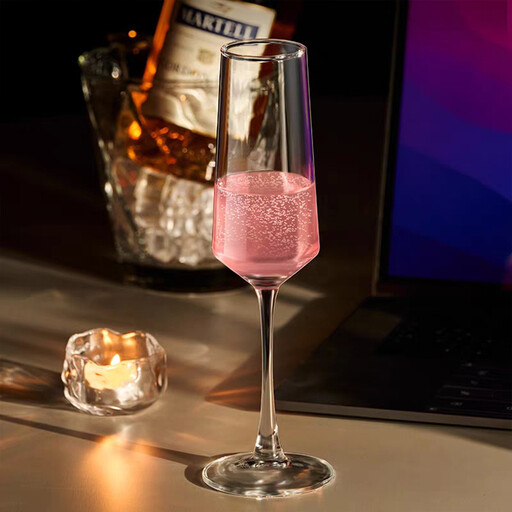
Why this choice suits this profile: This set of two glasses is a great starting point for your first collection, a dinner for two or a small reception requiring several sets.
The 175 ml capacity is clearly stated, so it cannot be mistaken for a large bowl intended for a more generous serving.
Transparent glass and a set of two pieces, ideal for gradually building up your glassware collection.
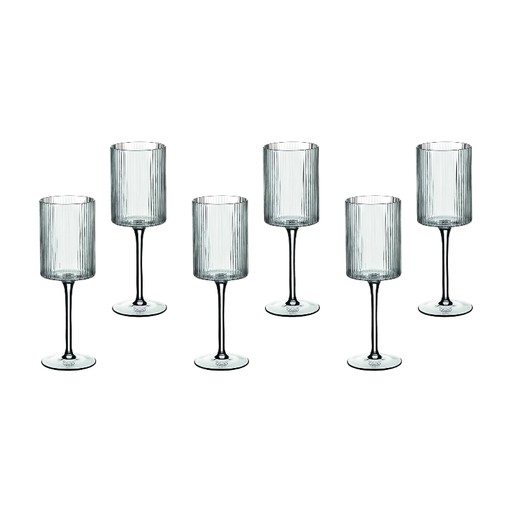
Why this choice suits this profile: Their transparent, lead-free crystalline glass and six-piece format naturally suit an elegant table, whether at home or in a reception setting.
The product details specify the material, 32 cl capacity and dishwasher compatibility, so your choice is not based solely on an appealing description.
Six matching glasses, a versatile capacity and a material specified as lead-free crystalline glass.
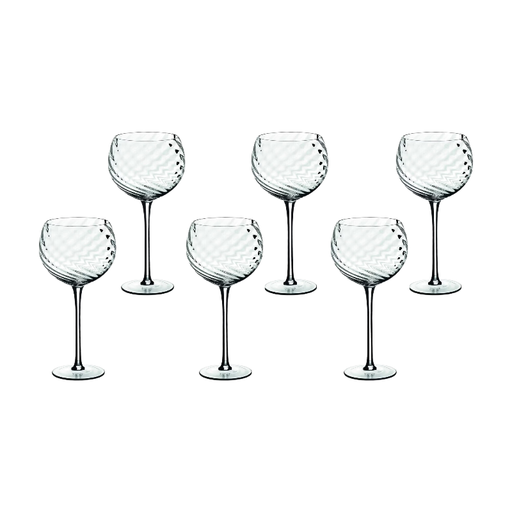
Why this choice suits this profile: Their 60 cl bowls are ideal for serving red wine, water or cocktails at a reception, when presentation and plenty of space in the glass really matter.
The generous capacity is stated clearly, reminding you that this is a large bowl, not a glass to be filled to the top.
A set of six pieces, specified lead-free crystalline glass and dishwasher compatibility.
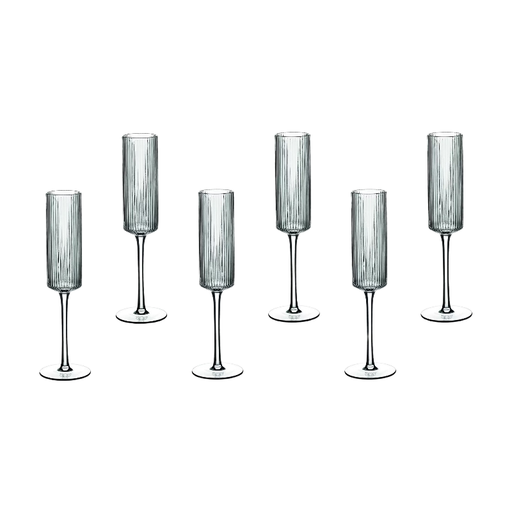
Why this choice suits this profile: These matching flutes are made for toasts, weddings, celebratory meals and serving sparkling wine when several guests are seated at the table.
The 20 cl capacity and 25 cm height are specified, allowing you to plan the serving volume and storage space required.
Six transparent, lead-free crystal flutes, specified as dishwasher-safe.
We have put together a complete, real-time updated selection of products that meet these demanding criteria as well as European safety regulations.
Wine accessories can make storage and serving easier, provided they meet a genuine need. The TAILI suction-cup glass holder, for example, attaches to a smooth, dry, non-porous surface. Its stated maximum capacity is 11 pounds, but it should not be installed on a porous or uneven wall, or on one that has not been cleaned properly.
To store several bottles, a wine cellar or compact wine fridge may be more practical than a simple cabinet. The TCL WC051WBG0 offers a capacity of 51 litres, advertised storage for up to 18 bottles, a glass door, adjustable shelves and interior lighting. This is a freestanding appliance: place it on a stable surface, ensure adequate ventilation and leave clear space around the openings.
A format of 20 to 36 cl is generally suitable for everyday meals, white wine and rosé. A 60 cl bowl can be useful for red wine or when you want to leave more space in the glass. Please note: the capacity refers to the glass’s total volume, not the amount to be served.
Some models in this selection are advertised as dishwasher-safe. Always check the product details and avoid thermal shock. A gentle programme, sufficient space between the pieces and avoiding abrasive products will help minimise marks and scratches.
Stemmed glasses fit perfectly on a traditional table or at a formal meal. Short-stemmed models have a wider base and a lower height, which can be practical for relaxed meals, terraces or events where stability is the top priority. The right choice therefore depends on how you plan to use them, the space available in your cupboards and the style of serving you prefer.