
Livraison le jour même ou le lendemain

Qualité garantie

Débloquez vos offres de bienvenue: Livraison GRATUITE | Jusqu'à -80 % | 30 jours d'essai gratuits à JoyPlus
Téléchargez l'application
Buying wine and alcohol online makes it easy to compare appellations, formats and origins. However, a well-written product page does not always guarantee the right choice. Between flattering descriptions, appellations that are sometimes misunderstood and storage conditions that are rarely checked, disappointment can quickly make its way to the table.
Here are the criteria to check before making an online wine purchase, along with a selection of French and international bottles suited to different occasions.
An AOC or AOP regulates, among other things, the geographical origin and certain production rules. That does not necessarily mean the wine will suit your tastes or the dish you have planned. A Bordeaux wine, a Burgundy wine or a wine from Provence can offer very different profiles depending on the grape varieties, vintage and ageing method.
Before ordering, check the colour, alcohol content, grape variety where stated, and suggested food pairings.
“Elegant”, “complex” and “refined” are descriptive terms, but they remain subjective. To compare two bottles objectively, it is better to check measurable information: capacity, alcohol content, serving temperature, origin, allergens and storage conditions.
The presence of sulphites also deserves your attention, as it is mentioned on the product pages of many wines.
A 75 cl bottle of wine is generally suitable for a shared meal. A 37.5 cl format may be more practical for two people or for a tasting. In most cases, wine should be stored away from heat and light. Some fortified wines, such as Port, also have specific recommendations once opened.
Alcohol content affects the sensation on the palate and the amount served. The product pages reviewed offer wines with an alcohol content of around 13 to 14% vol., while the selected Ports contain 19.5% vol. Shaoxing wine generally contains around 14 to 15% vol.
Volume matters just as much: a 500 ml bottle of Chinese wine, a half-bottle of Sauternes and a standard 750 ml format do not meet the same needs.
Following the recommended temperature allows you to appreciate the stated profile more fully:
Store bottles in a cool, dry place away from light. Once opened, follow the instructions specific to each product.
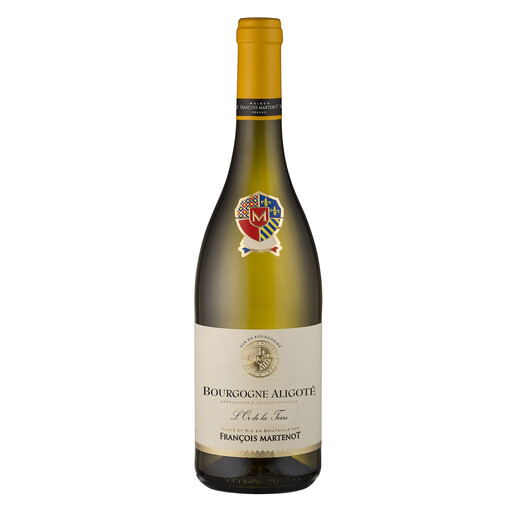
Why this choice suits this profile : This Burgundy white wine is sold in a 75 cl bottle and has an alcohol content of 13% vol. Its fresh Aligoté-based profile pairs particularly well with seafood, fish and white meats.
The product page specifies the Burgundy Aligoté appellation, volume, alcohol content, serving temperature and the presence of sulphites.
A French 750 ml white wine at 13% vol., with a lively profile and clearly stated food pairings.
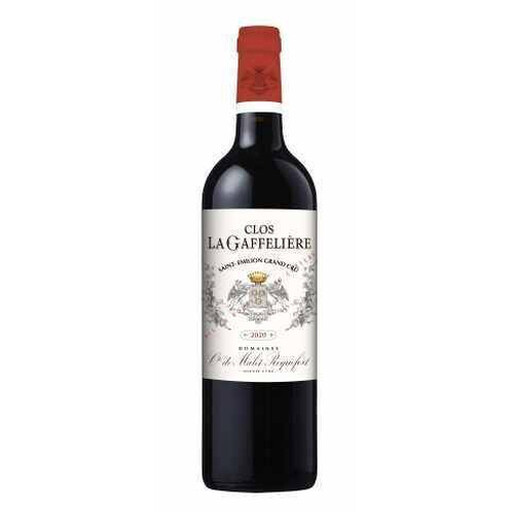
Why this choice suits this profile : This Saint-Émilion Grand Cru highlights Merlot and Cabernet Franc. The product page describes a structured wine characterised by black fruit and a lingering finish.
The appellation, volume, stated blend and serving temperature are clearly listed. The product therefore does not rely solely on marketing descriptions.
Saint-Émilion AOP, 75 cl, 14% vol. and storage away from heat, humidity and light.
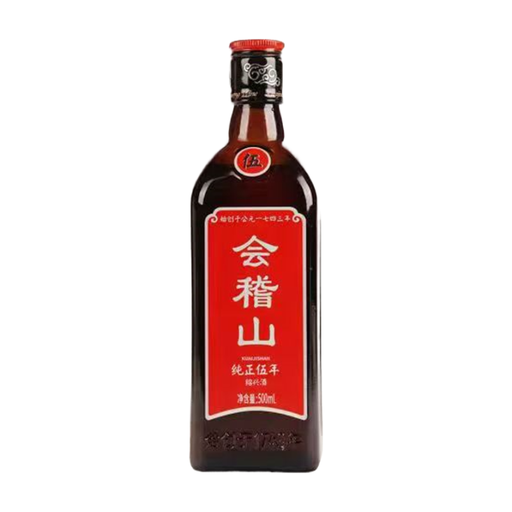
Why this choice suits this profile : This 500 ml Shaoxing wine is aimed at fans of Chinese cuisine and those looking for a rice wine to serve at room temperature or slightly warmed.
The product page details its Chinese origin, ingredients, the presence of wheat as an allergen, an alcohol content of at least 14% vol. and storage conditions.
A base aged for five years according to the product page, in a 500 ml bottle, suitable both for tasting and cooking.
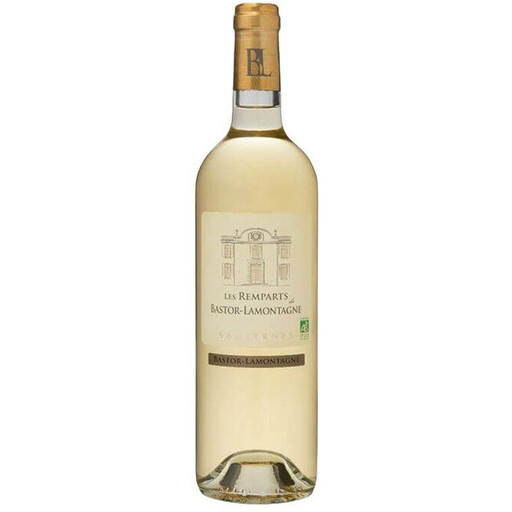
Why this choice suits this profile : This half-bottle of Sauternes is well suited to giving as a gift or sharing at a tasting. The product page mentions notes of candied fruit, honey and citrus.
The 37.5 cl format means you do not have to commit to a large bottle. The product page also specifies the Sauternes appellation, serving at between 8 and 10 °C and an alcohol content of 13.5% vol.
A half-bottle from the Sauternes appellation, with the Sémillon and Sauvignon Blanc grape varieties listed and an organic designation on the product.
We have brought together a complete, real-time updated selection of products that meet these selection criteria, as well as European regulatory requirements relating to safety.
Yes, but purchases are restricted to adults. Before confirming your order, check the delivery conditions, the product’s origin, its alcohol content and the warnings shown on the product page. Alcohol should always be consumed in moderation. Alcoholic drinks are not suitable for under-18s or for pregnant or breastfeeding women.
Start with the main dish rather than the name of the region. A dry white wine, such as Riesling or Burgundy Aligoté, pairs well with fish and seafood. A red wine from Bordeaux, Saint-Émilion or Beaujolais can work well with meat and cheese. A Provence rosé or sparkling wine is better suited to an aperitif and lighter dishes.
Keep it away from light and heat, in a dry place without excessive humidity. Follow the stated serving temperature. Once opened, refer to the product page recommendations: some wines should be consumed quickly, while Port and certain fortified wines can be stored for different lengths of time.