
Livraison le jour même ou le lendemain

Qualité garantie

Débloquez vos offres de bienvenue: Livraison GRATUITE | Jusqu'à -80 % | 30 jours d'essai gratuits à JoyPlus
Téléchargez l'application
Window cleaning sounds simple… until streaks, fluff and hard-to-reach areas get in the way. With promises of instant results, window-cleaning robots and multifunction accessories, it’s easy to choose a product that isn’t suitable for your windows, mirrors or patio doors.
Before buying a window cleaner, it’s worth checking three things: the type of surface, how it is used and any safety requirements. Here are the key points to consider when comparing the different options.
A spray makes it easier to apply glass-cleaning product, but it won’t necessarily remove ingrained dirt. On glass exposed to dust, pollen or greasy splashes, start by removing abrasive particles with water or a clean cloth. Without this precaution, the squeegee may drag the grains across the surface and cause small scratches.
The result depends on several factors: the amount of product used, the quantity of liquid, the condition of the blade, the quality of the cloth and the surface temperature. Hot glass, too much detergent or a worn blade can leave a visible film, even when using a cleaner marketed as professional.
A window-cleaning robot isn’t a device you can leave to work unsupervised. The models featured in this selection are designed for smooth glass surfaces and must remain plugged in while in use. Their built-in battery is only a safeguard in the event of a power cut; it is not intended for cordless operation. The safety cord must be secured before every use, particularly on patio doors or high windows.
For a window squeegee, choose a soft, even rubber blade. It should remain in perfect contact with the glass without catching. A stainless-steel structure makes maintenance easier, while a coated handle provides a more comfortable grip.
On delicate surfaces, a microfibre glass cloth is a practical choice. It captures moisture and residue without always requiring detergent. However, check the washing instructions: some manufacturers advise against using fabric softener, as it can reduce the fibres’ absorbency.
A short squeegee is suitable for mirrors, shower screens and small windows. For a windscreen or hard-to-reach wing mirror, a telescopic model reduces awkward movements. The product shown below extends to 98 cm, with a folded length of 22 cm and a stated weight of 0.13 kg.
For an automatic window cleaner, check in particular:
This information does not guarantee identical results on every window. Frames, seals, heavy dirt and uneven surfaces can affect how the device operates.
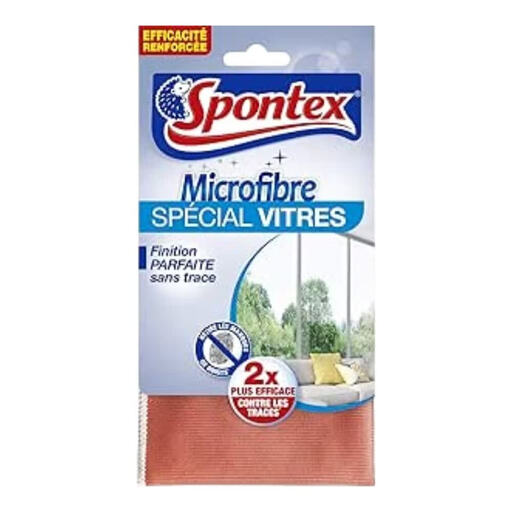
Why this choice suits this profile : Measuring 35 × 35 cm, this cloth is suitable for windows, mirrors and small glass surfaces. Use it with water alone or slightly damp.
It means you don’t have to rely on using too much glass-cleaning product, which is often responsible for visible residue.
Machine-washable microfibre at 60 °C according to the product details, without fabric softener, in a compact format that’s easy to store.

Why this choice suits this profile : This robot is designed for people who want to reduce manual work on large, smooth glass surfaces.
The product details mention a 4.5 m safety cord, automatic edge detection and protection against power cuts lasting up to 30 minutes.
50 ml tank, remote control, manual and automatic modes. The device must remain plugged in while operating.
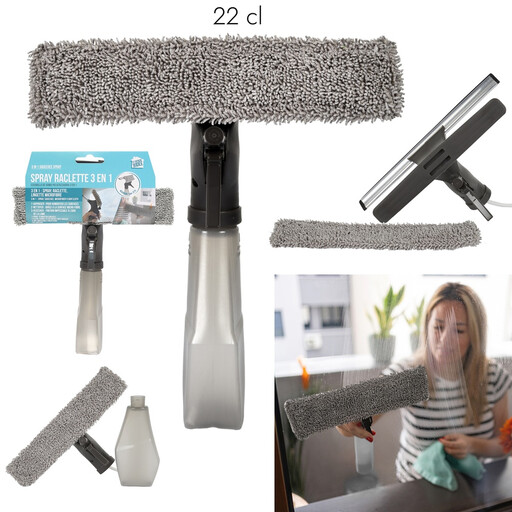
Why this choice suits this profile : Its three-in-one design is suitable for mirrors, shower screens, windscreens and glass surfaces that need frequent cleaning.
Its integrated tank reduces the number of accessories you need to carry and lets you spray, wipe and squeegee with a single tool.
220 ml tank, removable microfibre cover and rubber blade. Use water only or a non-corrosive glass-cleaning solution.
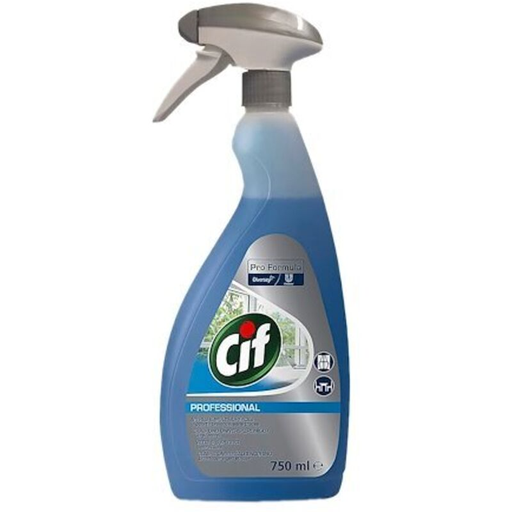
Why this choice suits this profile : This ready-to-use spray is ideal for households that regularly clean windows, mirrors, glass tables and shop windows.
The ready-to-use format avoids inaccurate measuring. However, it remains essential to follow the label instructions and use a clean, dry cloth.
750 ml bottle, direct application, advertised quick drying and use on several washable glass surfaces.
We’ve put together a complete, real-time updated list of products that meet these strict selection criteria and European safety regulations.
For a wing mirror or windscreen, the telescopic squeegee in this selection can reach distant areas. Its natural rubber blade and extendable handle are suitable for glass, shower doors, mirrors and some smooth tiles. If the surface is very dusty, rinse it before using the squeegee.
A ready-to-use product can make cleaning easier, but the result also depends on the amount used and the cloth. A clean microfibre cloth combined with a small amount of liquid helps minimise residue. Always check that the product is suitable for the surface, particularly screens, treated glass and specialist mirrors.
No. It must remain plugged in while operating, be secured with its safety cord and be used only on a smooth, intact and properly installed surface. Follow the instructions, keep children away and unplug the device before carrying out any maintenance.
Its lifespan depends on how often it is used, storage conditions and the condition of the surfaces being cleaned. Rinse the blade after each use, remove any particles and store the tool away from heat. A blade that is misshapen, dry or nicked should be replaced to maintain smooth, even strokes.