
Livraison le jour même ou le lendemain

Qualité garantie

Débloquez vos offres de bienvenue: Livraison GRATUITE | Jusqu'à -80 % | 30 jours d'essai gratuits à JoyPlus
Téléchargez l'application
Cleaning a patio door, an outside window or a mirror that’s out of reach can take time and may even be risky. A window-cleaning robot makes the job easier, but not every model is suited to the same needs. Before you buy, check that it’s compatible with your surfaces, find out how it’s powered and make sure it has the right safety features.
A high figure in pascals may catch your eye, but it doesn’t guarantee spotless glass on its own. The result also depends on the quality of the cleaning pads, how evenly moisture is distributed, the navigation system and the condition of the glass. A suction-powered window-cleaning robot can stay firmly attached to the surface, but you’ll still need to prepare the glass properly.
Heavy dust, grains of sand and dry dirt can cause the pads to slip and leave marks. It’s strongly recommended that you dust the glass first.
Some robots are powered from the mains while cleaning. Their built-in battery is then only used as a backup in the event of a power cut. This is particularly important for large patio doors and outside windows, where the power cable and safety tether need to be long enough.
By contrast, a model that can genuinely run on battery gives you more freedom. However, battery life varies depending on the mode you choose, the type of glass and how often the robot sprays water.
Even an automatic window-cleaning robot with powerful suction must be secured with its safety tether. Use a stable anchor point, check the carabiner and inspect the cable before every cycle.
A window-cleaning robot isn’t designed for cracked, very uneven or porous glass, or for windows wet from rain. Wind, outdoor moisture and a poorly prepared surface can also reduce its grip.
Manufacturers generally state suction power in Pa. This gives you an idea of the advertised grip, but you should also check for edge detection, a backup battery and a mechanical safety tether.
A fall-proof window-cleaning robot should be supervised while it’s running. Electronic safety features don’t replace the safety tether. Also check for audible alerts, whether the robot returns to its starting position and what it’s designed to do if the power goes out.
A window-cleaning robot with water spray can wet the glass automatically. Some models have a double or triple nozzle, while others require you to wet the pad by hand.
Read the instructions carefully to find out which cleaning fluids are allowed. For example, the Windobot S12 Vibra Max recommends using distilled water only. Hard water can clog the nozzles or leave deposits. After every cycle, wash the pads, empty the tank and leave all the parts to dry.
Measure your smallest window before choosing a window-cleaning robot. The WINBOT W2 Pro Omni is listed as compatible with windows measuring 30 × 40 cm or more. Frameless or sloping windows, and those with thick seals, may need extra checks.
These devices are mainly designed for smooth surfaces such as glass, mirrors and sometimes flat tiles. They aren’t suitable for textured walls, broken glass or porous surfaces. If you live in a flat, also consider the cable length and whether you can secure the safety tether from indoors.
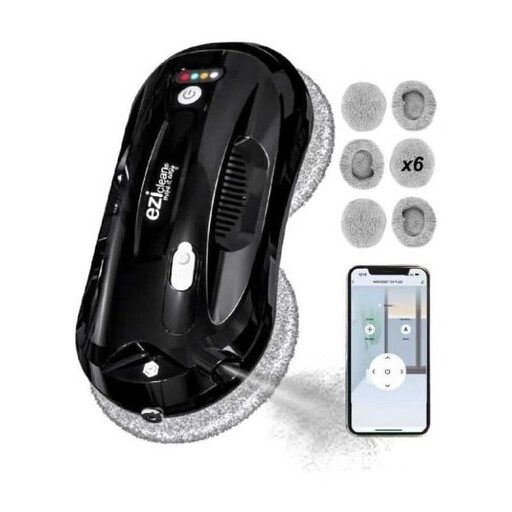
Why it suits this type of user : this model is a good fit if you want to clean windows, mirrors or flat tiles without a complicated set-up, and control the robot from your smartphone.
The product details specify that it’s compatible with flat surfaces and remind you that the safety tether must be used. So don’t assume it’s suitable for every type of surface.
Compatible with a smartphone, advertised as quiet, and supplied with a charging station and safety tether.
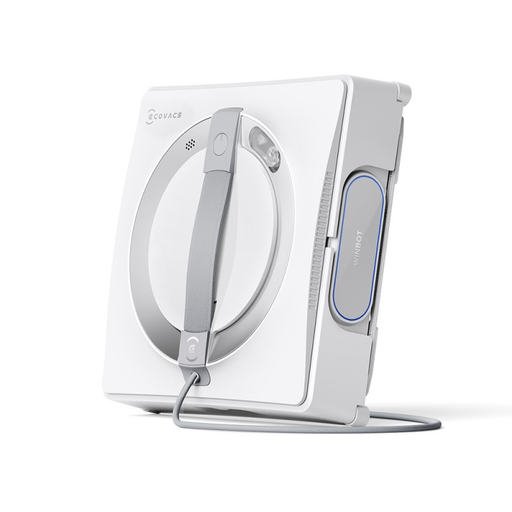
Why it suits this type of user : its multifunction station and two power modes make it well suited to homes with large areas of glass and regular use.
The product details clearly distinguish between battery mode and mains operation. They also explain which weather conditions to avoid and remind you to anchor the safety tether securely.
Advertised suction power of 5 500 Pa, triple-nozzle spray, 6-in-1 station and a 12-level protection system specified by the manufacturer.
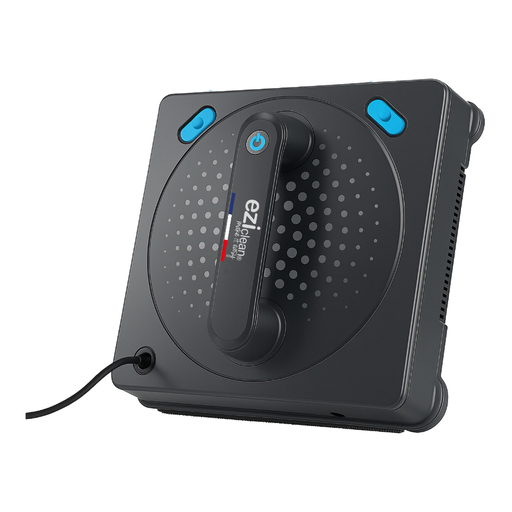
Why it suits this type of user : it’s designed for people who want automatic water spray and backup protection for frequent cleaning of smooth glass surfaces.
The product details state that the tank should contain distilled water only and that the tether must be secured to a solid indoor anchor point.
Two suction cups, vibrating pad, edge detection and a backup battery advertised as maintaining grip for up to 20 minutes in the event of a power cut.
We’ve put together a comprehensive selection, updated in real time, of products that meet these exacting criteria and European safety standards.
It automates movement and sometimes water spray, but it still needs to be supervised. The safety tether must be attached, the cable kept clear and the area below the glass secured. Don’t leave the device running unchecked in a room that children or pets can access.
This depends on how often you use it, how well you clean the pads, how you maintain the nozzles and how you store the device. A backup battery isn’t always designed to power the cleaning cycle: it may simply keep the robot attached to the glass in the event of a power cut. Check the instructions for charging guidance and replace consumables when they’re worn.
A robot’s electricity consumption mainly depends on its power and the length of each cycle. Ongoing costs are mostly for pads, distilled water or approved cleaning solution, and any replacement tether or battery. Check these details before buying to estimate the total cost over time.