
Livraison le jour même ou le lendemain

Qualité garantie

Débloquez vos offres de bienvenue: Livraison GRATUITE | Jusqu'à -80 % | 30 jours d'essai gratuits à JoyPlus
Téléchargez l'application
Cleaning windows is often the ultimate chore: a time-consuming, repetitive, and sometimes risky task, especially for high windows or large glass panes. A window-cleaning robot can seem like the miracle solution for getting spotless windows without the effort. However, the market is flooded with models making tempting promises, and it's easy to end up with a device that doesn't live up to the hype.
As the head of product selections at Joybuy, my mission is to help you navigate the options. Together, we'll break down the 3 most common pitfalls and the essential criteria to check before you buy, ensuring you make a truly informed choice.
Marketing can often be misleading. Here are the red flags that will save you from disappointment… and from wasting your money.
To ensure your future automatic window cleaner is as effective as it is safe, focus on these three key parameters.
As we've just seen, it's crucial to distinguish between corded and battery-powered models.
The robot's effectiveness depends directly on its ability to move intelligently.
The robot's ability to "stick" to the window is the cornerstone of its safety and effectiveness.
Rather than a simple list, we've matched specific models to user profiles, based on the performance and safety criteria we've just detailed.
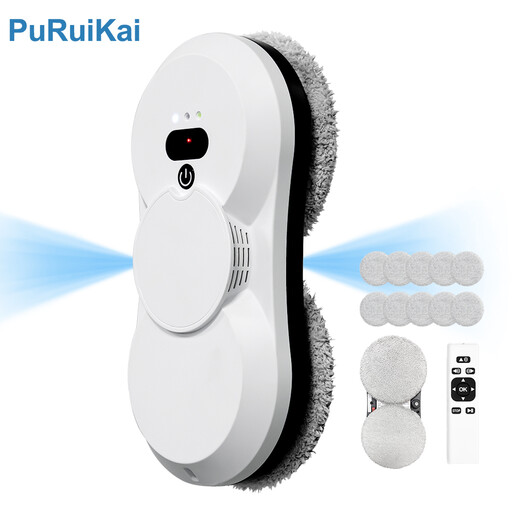
Why it's the right choice: Ideal for those who want an effective, no-frills solution. It gets straight to the point: automated and safe cleaning, without superfluous features. Its corded mode guarantees consistent performance, perfect for regular maintenance.
This model is corded, which clears up any ambiguity about the "cordless" myth. It includes a 30-minute backup battery and a safety tether, checking the essential boxes for cleaning at height.
Its bidirectional automatic spray system and 2800 Pa suction ensure an effective clean and excellent adhesion. The remote control operation is simple and intuitive.
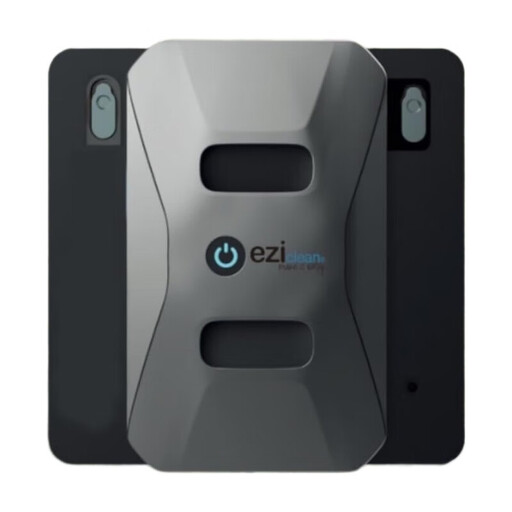
Why it's the right choice: Built for efficiency on large surfaces, this robot is the perfect ally for conservatories and extra-large picture windows. Its navigation technology is designed to cover vast areas without getting lost or leaving streaks.
It tackles the problem of missed edges with its NAVIG+ navigation and dual spray system, which ensures constant moisture across the entire width of the pad.
Its powerful suction (EZIVAC technology) ensures flawless adhesion. The combination of smart navigation and dual spraying allows for fast, methodical cleaning of the largest windows.
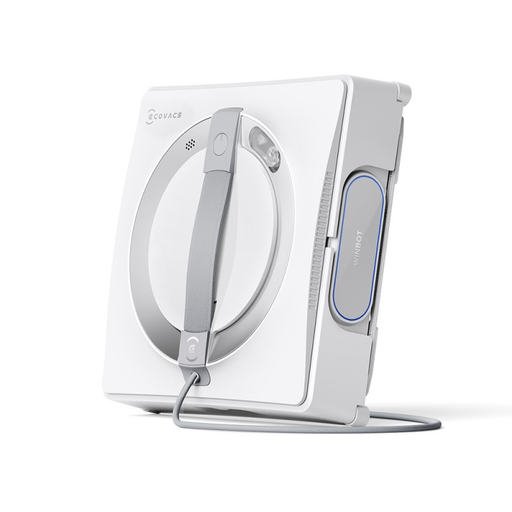
Why it's the right choice: For those who demand the pinnacle of automation and performance. This all-in-one system, with its multifunctional station, turns window cleaning into a fully delegated task that can be controlled from an app.
It checks all the boxes: it offers a true battery mode (up to 110 min) in addition to corded mode, its WIN-SLAM 4.0 technology optimises edge coverage, and its 12-level safety system is one of the most comprehensive on the market.
Its 6-in-1 OMNI station does it all: control panel, charger, stand, and carrying case. Its wide-angle, three-nozzle spray technology efficiently dissolves dirt in a single pass.
We have put together a complete selection of products that meet our selection criteria and current safety standards.
1. Can a window-cleaning robot really fall? The risk is minimal on quality models that meet safety standards. A well-designed robot combines three levels of protection: high suction power for adhesion, a backup battery (UPS) that takes over during a power outage, and a safety tether that physically restrains the device as a last resort. It is imperative to always use this tether.
2. Do I need to use a specific cleaning solution? Most manufacturers recommend using demineralised water or their own cleaning solution. Using tap water could, over time, clog the spray nozzles due to limescale. Avoid foaming detergents: they leave streaks and can impair the grip of the tracks or pads.
3. What is the lifespan of a window-cleaning robot? Its longevity depends on its build quality and how well it is maintained. The main consumables are the microfiber pads and the battery. The pads should be washed after each cycle and replaced as soon as they lose their absorbency. The battery, like any rechargeable battery, will see its capacity diminish over charge cycles. A well-maintained device can serve you well for many years.