
Livraison le jour même ou le lendemain

Qualité garantie

Débloquez vos offres de bienvenue: Livraison GRATUITE | Jusqu'à -80 % | 30 jours d'essai gratuits à JoyPlus
Téléchargez l'application
Peace of mind at home is priceless. Whether you want to watch over your family, keep an eye on a pet, or simply protect your property, the WiFi surveillance camera has emerged as a solution that is as effective as it is accessible. But with an overwhelming number of options on the market, it can be difficult to know where to start.
Our mission is to arm you with clear, objective information to help you make the right choice. This guide breaks down the essential criteria and presents a selection of models tailored to different needs—all without the usual marketing jargon.
Before you dive in, there are a few key points to consider. The ideal choice will depend entirely on your specific situation and expectations.
The first question to ask yourself is where it will be placed.
Battery life and recording management are two key factors that affect your user experience.
Details matter, especially when it comes to security.
Here are a few models that stand out for their features and meet specific home surveillance needs.
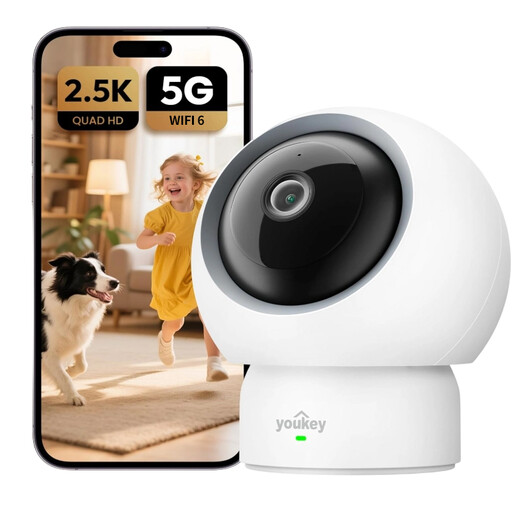
Why it stands out: This model is an all-in-one indoor solution. Its 360° motorisation eliminates blind spots. It goes far beyond simple motion detection, specifically identifying humans, pets, and even baby cries to send you truly relevant alerts. The pet interaction feature is a unique bonus for communicating remotely. Best of all, it operates with no monthly fees.
Highlights:
Who is it for? Ideal for families with young children or pets, as well as for anyone looking for a complete indoor surveillance solution with no hidden fees.
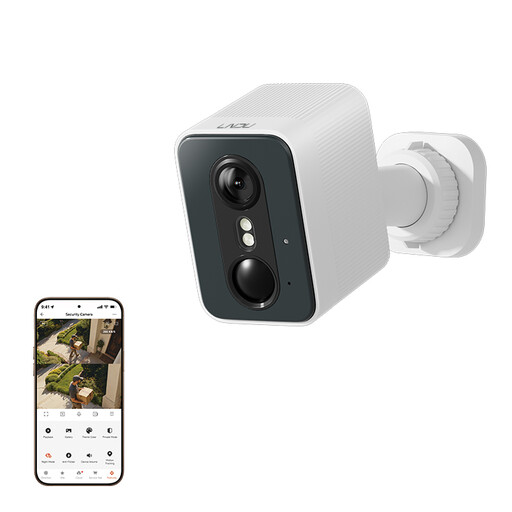
Why it stands out: The LNDU goes all-in on image quality with its 4K resolution and 143° wide-angle lens. Built for the outdoors, it features dual-detection technology (PIR + radar) that drastically reduces false alerts triggered by falling leaves or small animals. Its free local storage on the included 128 GB card is a key selling point for anyone seeking a subscription-free camera.
Highlights:
Who is it for? Perfect for homeowners who demand ultra-detailed outdoor surveillance (garden, driveway, entrance) and want to put an end to unnecessary notifications, all without committing to a subscription.
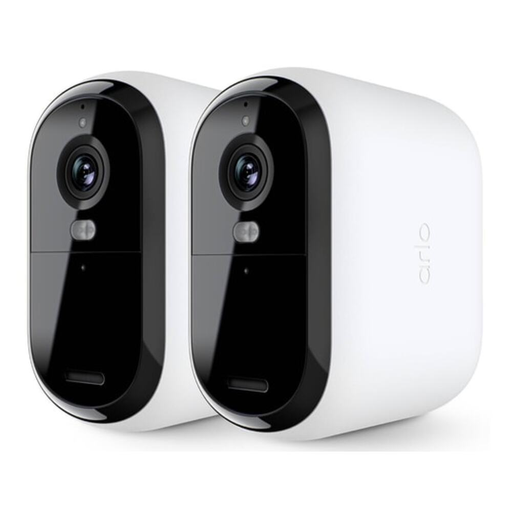
Why it stands out: The standout feature of this Arlo pack is its extra-long-life XL battery. The manufacturer claims it lasts up to four times longer than standard models. The result is less maintenance and lasting peace of mind. The two-camera pack allows you to cover multiple areas. The Arlo ecosystem includes active deterrence features, such as a siren and a spotlight, which can be controlled from the app.
Highlights:
Who is it for? Perfect for those who prioritise easy installation and minimal maintenance. It's an excellent option for renters or anyone who doesn't want to deal with wiring, while still benefiting from a comprehensive and scalable security system.
If your number one criterion is resistance to the harshest weather conditions, or if you have even more specific needs, other models might be a better fit. We have prepared a broader selection to help you compare.
? Discover our selection of the best waterproof security cameras.
1. Can a WiFi surveillance camera work without an internet connection? An internet connection is essential for viewing footage remotely and receiving alerts on your smartphone. However, many models equipped with an SD card slot can continue to record locally even during a power or internet outage, thus ensuring continuous surveillance.
2. Is it legal to install a surveillance camera at home in France? Yes, it is completely legal to film the interior of your property as well as its immediate surroundings (your garden, your front door). However, the law protects the privacy of others: it is strictly forbidden to film public property, your neighbours' property, or their front door. You should also inform people who regularly work in your home (such as cleaning staff or babysitters) about the presence of cameras.
3. How does smart motion detection work? Basic systems simply react to pixel changes in the image, which can generate many false alerts. More advanced cameras, however, use either a passive infrared (PIR) sensor that detects body heat or artificial intelligence algorithms capable of distinguishing a person, an animal, a vehicle, or just swaying branches. The result is far more relevant notifications.