
Livraison le jour même ou le lendemain

Qualité garantie

Débloquez vos offres de bienvenue: Livraison GRATUITE | Jusqu'à -80 % | 30 jours d'essai gratuits à JoyPlus
Téléchargez l'application
A Wi-Fi smart plug with energy monitoring lets you turn an ordinary appliance into one you can control remotely. From an app, you can usually switch the power off, set schedules and track the energy used. However, not every plug suits every situation: a flush-mount model designed for the living room has no place on a patio, while an IP44 outdoor plug can't replace a wall-mounted installation.
Before you order, three mistakes crop up time and again:
A smart plug fitted with an energy meter typically shows consumption in kWh. This information lets you compare different periods of use, spot an energy-hungry appliance or check how effective a schedule is. However, it won't automatically calculate the exact cost of electricity unless you've entered your tariff in the app.
Also remember to check the electrical specifications:
For a fan heater, a pool pump or a powerful power tool, the start-up current can be higher than the normal running consumption. So it's best to leave a safety margin and follow the appliance manufacturer's recommendations.
A flush-mount smart socket gives a discreet finish, but fitting it requires you to cut the power at the circuit breaker and correctly connect the live, neutral and earth conductors. The work should be carried out by a qualified electrician or a competent person, in line with current wiring regulations.
The flush-mount models shown here use the Type E format, compatible with French sockets, and have an IP20 rating. They are therefore for indoor use only and must be kept away from water splashes. For a garden, patio or pool equipment, it's better to choose an IP44 outdoor Wi-Fi plug, plugged into a protected outdoor socket.
A Tuya Smart smart plug or a Smart Life plug can be controlled from a smartphone, with timers, scenes and the ability to switch it on remotely. Compatibility with Alexa and Google Home makes voice control simple, but several points are worth checking:
Plugs with USB-A and USB-C ports can also save you from having multiple chargers on a bedside table or desk. However, check the total USB power: it may be different from the mains socket's rating.
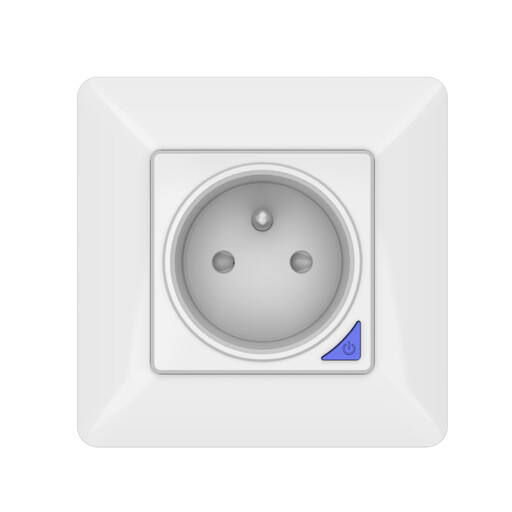
Why this choice suits this profile: This flush-mount smart socket is ideal for a first indoor installation, with local control and operation via Smart Life or Tuya Smart.
Its spec clearly states it is for indoor use, with IP20 protection, a 2.4 GHz network and installation by a qualified person. That helps limit mistakes when choosing.
Real-time measurement, timer, scenes, physical button, overload protection and a stated maximum power of 3,000 W.
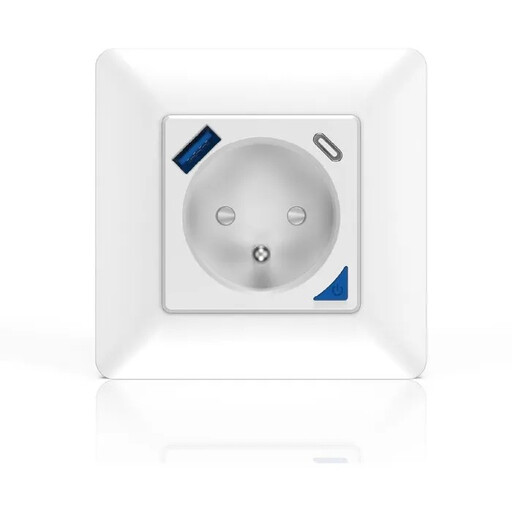
Why this choice suits this profile: This model combines a mains socket, energy monitoring and USB-A/USB-C charging in a flush-mount unit ideal for a desk or bedroom.
The total USB power is stated at 20 W and the IP20 rating reminds you that this model is not designed for damp rooms.
One USB-A port, one USB-C port, kWh tracking, compatibility with Alexa and Google Home, smart scenes and a stated mains power of 3,000 W.
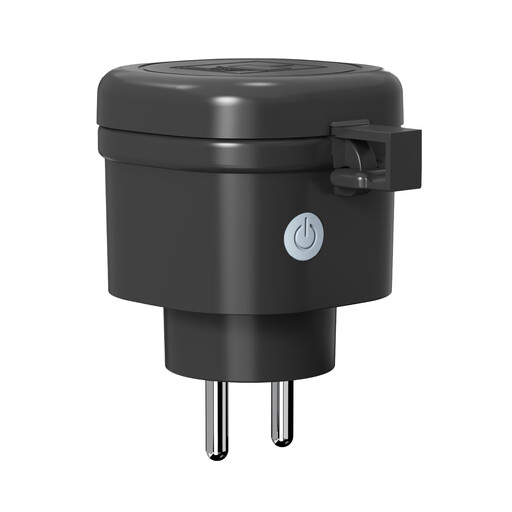
Why this choice suits this profile: Its design meets the needs of a garden, patio or outdoor equipment you want to control remotely.
The IP44 rating is clearly stated, as is the need to keep the cover closed. This plug must not be submerged or used in a flooded area.
Stated power up to 3,680 W, energy monitoring, scheduling, Smart Life/Tuya Smart apps and a Wi-Fi range of up to 40 m depending on the environment.
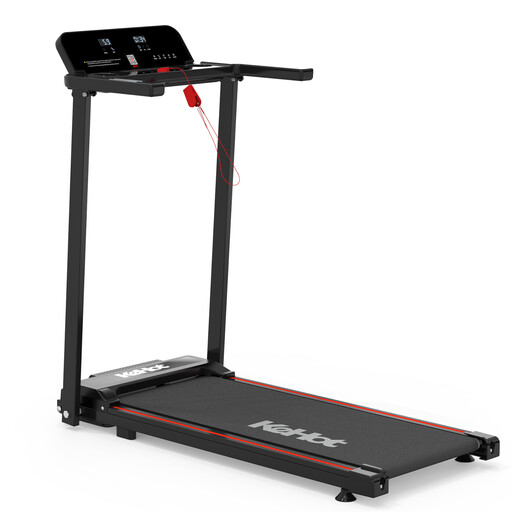
Why this choice suits this profile: This foldable treadmill is designed for home workouts and for users who want to connect their training to fitness apps.
The stated speed range, from 1 to 12 km/h, lets you check whether it really matches your training pace, without confusing Bluetooth connectivity with sporting performance.
Foldable design, running surface of 375 × 945 mm, 220–240 V power supply and Bluetooth compatible with FITSHOW, KINOMAP and Zwift according to the information provided.
We've put together a comprehensive, real-time updated selection of products that meet these strict criteria and European safety requirements.
For a wall socket, cut the power at the consumer unit before any work. The wiring must follow the live, neutral and earth markings. Once the socket is installed, follow the pairing procedure in the app to connect it to the 2.4 GHz network.
For a portable outdoor plug:
A programmable plug can automate lighting, a pump or a device on charge. However, it does not replace the safety devices specific to the equipment being controlled.
No. It measures and displays the energy used, and can help you schedule operating times. Any reduction in your bill depends on the appliance plugged in, your habits and the tariff applied by your supplier.
Check that your phone and the plug are both using a 2.4 GHz network, turn on Bluetooth during pairing and temporarily move the plug closer to the router. An incorrect Wi-Fi password or a signal that's too weak can also interrupt the setup.
There is no universal lifespan. Longevity depends on the load used, temperature, humidity, network quality and whether electrical limits are respected. Stop using it immediately if you notice unusual heat, cracks, a strange smell or signs of melting.