
Livraison le jour même ou le lendemain

Qualité garantie

Débloquez vos offres de bienvenue: Livraison GRATUITE | Jusqu'à -80 % | 30 jours d'essai gratuits à JoyPlus
Téléchargez l'application
Choosing a WiFi security camera can quickly become a headache. Between promises of "total security" and often-opaque technical jargon, it's easy to feel lost and end up with buyer's remorse. Yet the goal is simple: to keep an eye on what matters most—whether it's your front door, your sleeping baby, or your pet's antics—all from your smartphone.
Unfortunately, disappointment is often just around the corner due to unexpected limitations. To help you avoid this frustration, here are the 3 most common pitfalls to sidestep to make a truly informed decision.
To make the right choice, there's no need to get bogged down in technical details. Focus on these key fundamentals that will make all the difference in your daily use of your future smartphone-connected camera.
This is the very first point to consider. Your choice will depend on the camera's location and the level of maintenance you're willing to accept.
Once an alert is triggered, you need to be able to review the footage. Two philosophies compete here.
A camera that bombards you with false alerts for a falling leaf or a passing shadow quickly becomes unbearable.
Instead of searching for the non-existent "perfect" model, it's better to find the one that precisely fits your use case.
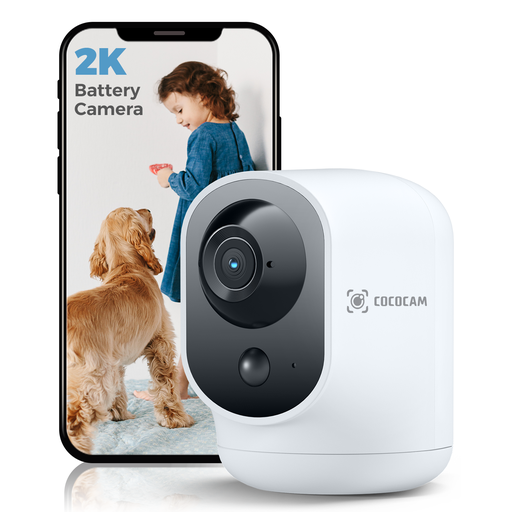
Why it stands out: Ideal for keeping an eye on a living room, a child's room, or your pet. Its built-in 5200 mAh battery makes it 100% wire-free, allowing you to move it as needed. Its 355° motorized head leaves no blind spots, and the two-way audio is perfect for remote interaction. An excellent modern alternative to a classic video baby monitor or a pet camera.
Completely battery-powered, it avoids the "fake wire-free" trap. It offers the choice between local storage on a TF card (up to 128 GB) and a cloud option, without ever forcing you into a subscription.
Absolute Flexibility: The combination of a battery and Pan/Tilt motorization (355°/90°) allows you to monitor an entire room without any wiring constraints. The PIR motion detection is a real bonus for preserving battery life.
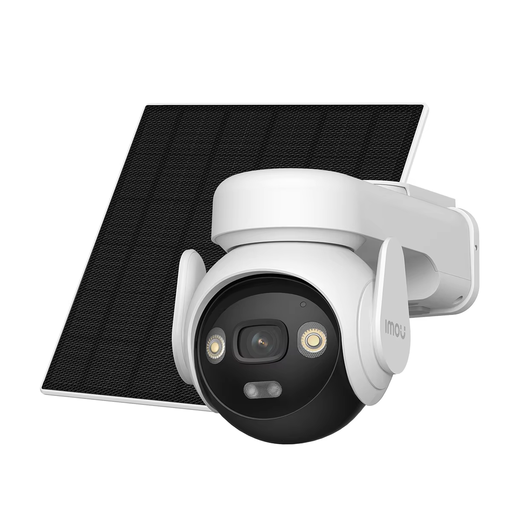
Why it stands out: Designed for homeowners who want to secure a yard, driveway, or plot of land without worrying about cables or even WiFi. Its dual 4G/WiFi connectivity, 10,000 mAh battery, and 5W solar panel make it a completely autonomous surveillance solution. Its 360° motorization ensures total coverage of the area.
It tackles the two main obstacles head-on: power (thanks to the solar camera) and connectivity (thanks to 4G). It's the very definition of a "zero-hassle" camera, perfect for remote areas of your property.
Total Autonomy and Connectivity: The solar + 4G duo makes it completely independent of your home setup (internet router, power outlets). Its 5MP resolution and PTZ function guarantee precise, high-quality outdoor surveillance.
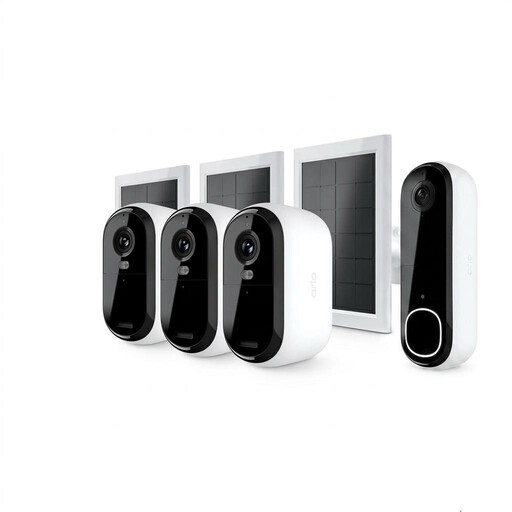
Why it stands out: For those who want a complete, turnkey, and perfectly integrated security solution. This security camera kit protects outdoor access points with three 2K cameras and the front door with a video doorbell. Everything is centralized in a single app, creating a true security shield for your home.
This bundle neutralizes the power supply pitfall by including three solar panels right out of the box, making the outdoor cameras self-sufficient. While Arlo is known for its subscription model, the strength of this pack lies primarily in its comprehensive and integrated hardware.
The All-in-One Solution: The pack covers the entire perimeter and entryway with high-performance hardware (2K video, color night vision) and unified management. The inclusion of solar panels is a major asset that reduces maintenance to a bare minimum.
Discover our full selection of products that meet our demanding selection criteria and current regulations.
It all depends on your usage. Live streaming in high definition (2K or 4K) is the most data-intensive. However, most of the time, the camera only transmits data when motion is detected. For typical use, the impact on your internet data plan is therefore minimal. You can also adjust the video quality in the app's settings to stay in control.
It varies widely, from a few weeks to over a year. It all depends on the battery capacity (in mAh), the frequency of motion detections, the length of recorded clips, and even the weather (cold temperatures reduce battery performance). Models with high-capacity batteries (sometimes labeled "XL") or, even better, those paired with a solar panel, offer unparalleled peace of mind.
Yes, as long as you follow a few simple rules. You have the right to film the interior of your home and the immediate surroundings of your private property (your yard, your doorstep). However, it is strictly forbidden to film public spaces or your neighbors' property. If you employ domestic staff (such as a nanny or home health aide), you are required to inform them of the cameras' presence.