People looking for a less firm bite
For an everyday meal, it’s worth trying the shape, cooking method and sauce together. Choosing this pasta is not a texture adaptation for someone with a swallowing disorder.


For an everyday meal with sauce, start by choosing a short pasta shape whose texture you can check as it cooks, rather than assuming that wholewheat pasta or the cooking time on the pack will give you a tender bite. Manger Bouger recommends choosing wholegrain or semi-wholegrain starchy foods, but this doesn’t tell you how easy they are to chew. If you have dysphagia or are at risk of aspiration, follow healthcare professionals’ guidance on texture.
For an everyday meal, it’s worth trying the shape, cooking method and sauce together. Choosing this pasta is not a texture adaptation for someone with a swallowing disorder.
If the taste or texture of wholewheat pasta is putting you off making the switch, compare wholewheat and semi-wholewheat varieties without assuming they’ll turn out the same on your plate. Manger Bouger recommends both as starchy foods to choose more often.
A short pasta shape and the cooking time on its pack can help you plan your meal. You’ll still need to taste it with the sauce you’re serving to see if the texture suits you.
When making a wholewheat pasta dish with sauce, first decide what texture you’re looking for, then compare the ingredients and preparation time. What counts as a less firm bite varies from person to person.
| Criteria | What to check | Who it matters to |
|---|---|---|
| Texture when tasted | Compare short pasta shapes and taste the pasta as it cooks, then try it with the sauce you plan to serve. | When I want a less firm bite, the texture of the finished dish matters more to me than the word ‘wholewheat’ on its own. Around 42% of consumers would prioritise ease of chewing. |
| Switching to wholewheat | Check the product name and ingredients to distinguish wholewheat from semi-wholewheat pasta. Compare the nutritional information if you’re looking at two products. | If I’m unsure about the taste of wholewheat pasta, I want to compare recipes before changing my habits. For around 33% of consumers, enjoying wholewheat pasta would be the main concern. |
| Preparing the dish | Check the cooking time for each product and choose a shape that works with the sauce you plan to serve. | When making a simple pasta dish with sauce, I mainly need a cooking time that fits my meal. This would be the priority for around 25% of consumers. |
The term describes the grain used, not how firm the cooked pasta will be. Barilla describes its Wholewheat Penne Rigate as ‘al dente’, for example. That texture may not be right if you’re looking for a softer bite.
Choose a shape that suits you, then try cooking it with your chosen sauce before buying several packs.
Pasta that’s pleasant to chew during an everyday meal isn’t necessarily suitable for someone with a swallowing disorder. The French National Authority for Health (Haute Autorité de Santé) highlights the risk of aspiration associated with dysphagia.
If you experience aspiration, have diagnosed dysphagia or have been given medical advice about food textures, follow healthcare professionals’ guidance rather than these general buying criteria.
These products give you a few points of comparison for shape and cooking instructions. A brand alone can’t guarantee the texture of the finished dish.
The Complètement Bon range includes Coquillettes and Torti, two short shapes worth comparing for a dish with sauce.
Wholewheat Penne Rigate is a short pasta option to serve with sauce.
Carrefour lists Carrefour Extra wholewheat coquillettes in a 500 g pack.
E.Leclerc lists Bio Village organic wholewheat torsades in a 500 g pack.
These three wholewheat pasta shapes could all be part of an everyday meal with sauce. Choose the shape you prefer, then check the texture after cooking. Their inclusion here doesn’t mean they’re suitable for someone with dysphagia.
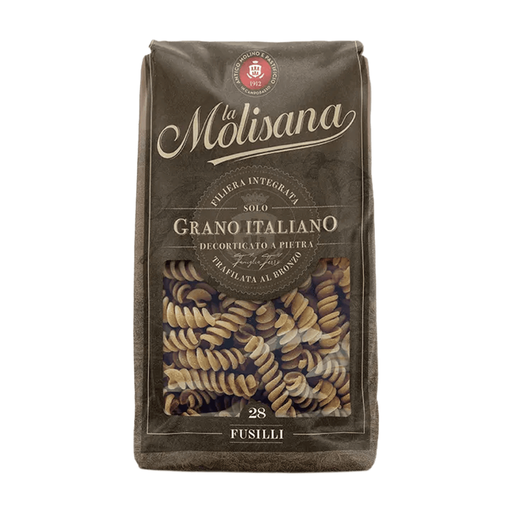 Image unavailable
These fusilli are worth considering if you’d like to serve wholewheat pasta with sauce. For a less firm bite, try them with your chosen sauce and adjust the cooking time to suit your preference.
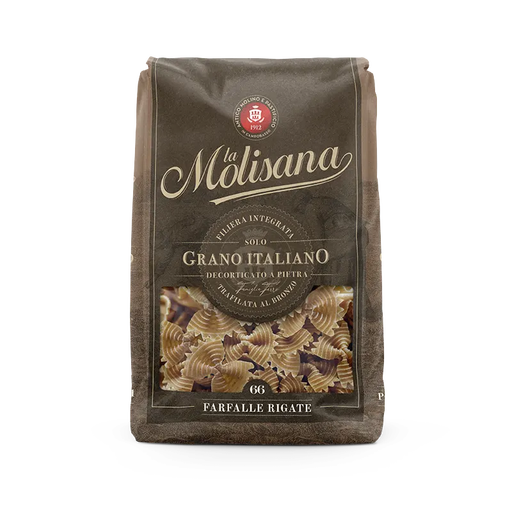 Image unavailable
These wholewheat farfalle are an option if you’re choosing a shape to serve with sauce. The pack contains 500 g. Check the texture after cooking before choosing this shape for a meal where ease of chewing matters.
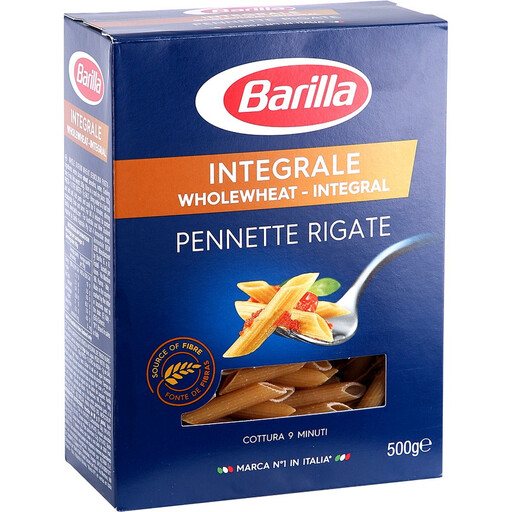 Image unavailable
These wholewheat pennette rigate are another shape to compare with fusilli and farfalle for a dish with sauce. The pack contains 500 g. Follow the cooking instructions for this product and taste the pasta if you’re looking for a less firm bite.
No. The word ‘wholewheat’ alone doesn’t determine the texture of the finished dish. The shape, cooking time, sauce and personal preferences all matter too. Try the product you’ve chosen rather than judging how firm it will be from its name alone.
Start with the cooking time on the pack, then taste the pasta before draining it and adjust the cooking time to suit your preference. Try it with the sauce you plan to serve, too. The manufacturer’s cooking time alone can’t tell you what the finished dish will be like.
Yes. Manger Bouger recommends choosing semi-wholegrain starchy foods as well as wholegrain options. The right shape and texture depend on the individual. If your child has a swallowing disorder or has been given medical advice, ask for guidance tailored to their needs.
Compare the product names, ingredients, allergen information, pack weight and nutritional information, then read the cooking instructions for each product. For pre-packed foods, France’s Directorate General for Competition Policy, Consumer Affairs and Fraud Control (DGCCRF) highlights the importance of clear labelling and nutrition declarations. These details can’t, however, predict how tender the pasta will be after cooking.
No. Choosing pasta for an everyday meal that’s easy to chew doesn’t tell you what texture is suitable for someone with dysphagia. The French National Authority for Health (Haute Autorité de Santé) notes that managing dysphagia aims, among other things, to prevent aspiration. Follow the texture guidance provided by healthcare professionals.